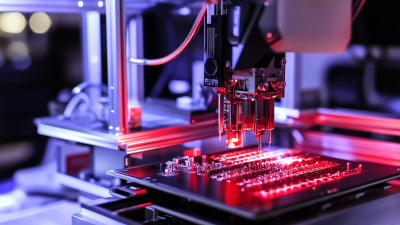
In the fast-paced world of electronics manufacturing, keeping up with top-notch quality control has never been more important. Looking ahead, Aoi Inspection is really leading the charge in this change, bringing in innovative techniques that boost both accuracy and efficiency in the production process. Here at MOREL EQUIPMENTS CO., LIMITED, we’ve been around for over 15 yearsworking in surface mount technology (SMT), and we've grown from just supplying accessories to offering complete solutions. Our wide range of products—think pick and place machines, automatic soldering robots, ICT & Fct Testers, and solder paste equipment—really shows how committed we are to staying ahead with the latest tech. As we explore some of the best Aoi Inspection methods, we want to share how thesenew advancements are shaping the future of quality control, making sure electronics makers can hit new levels of precision and dependability with their products.
The Evolution of AOI: A Glimpse into 2025's Advanced Techniques
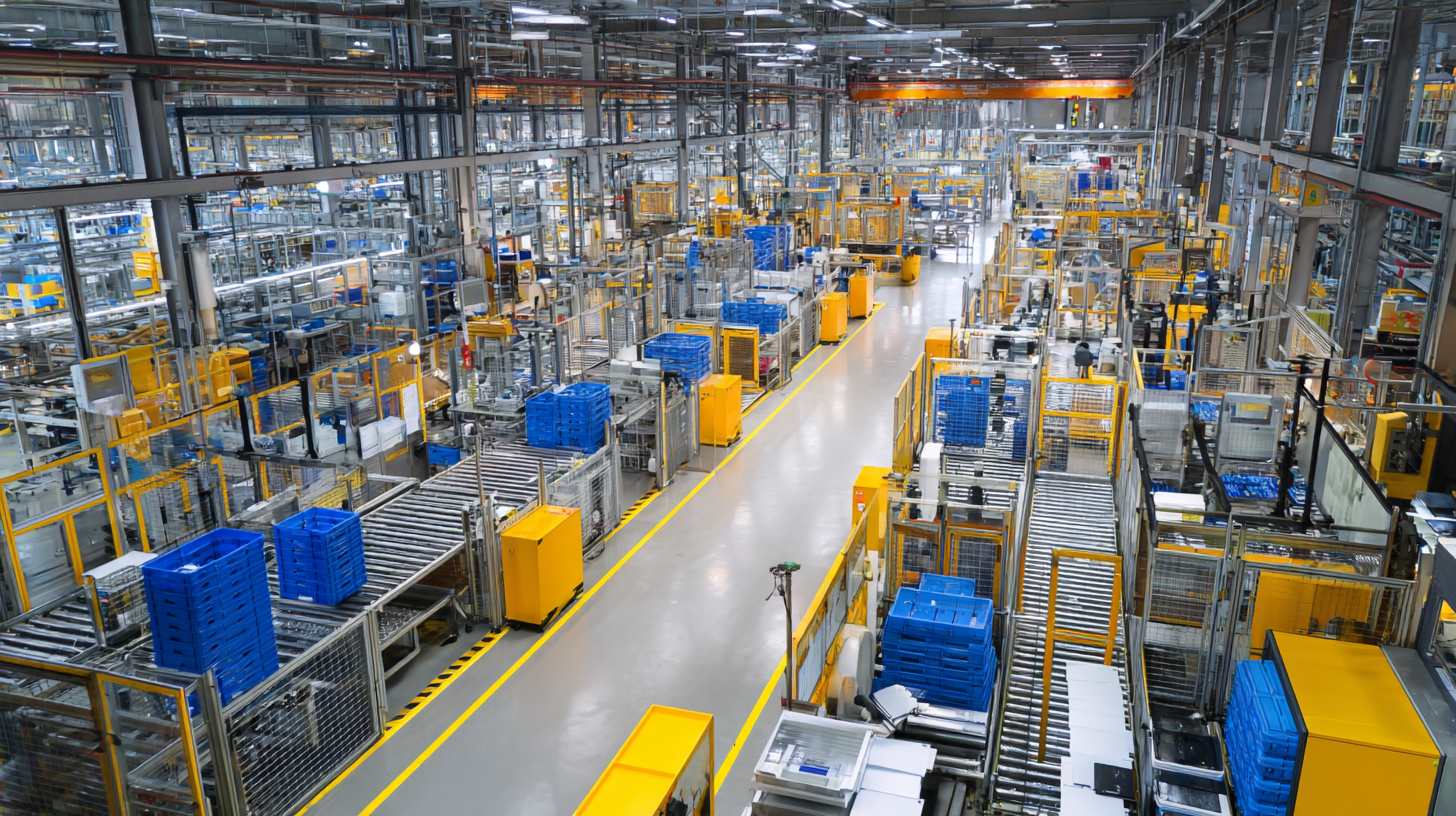
The world of electronics manufacturing is really on the verge of some big changes as we look towards 2025, especially when it comes to Automated Optical Inspection (AOI). If you’ve heard the latest, the global AOI market is expected to jump from around $1.24 billion back in 2020 to roughly $2 billion by 2025—that’s a huge leap! This surge is mainly driven by how complex electronic parts are getting and the tighter quality standards everyone’s trying to meet. What's really exciting is that advances in machine learning and image processing are making these AOI systems smarter—they’re not just detecting defects anymore, they’re actually learning and adjusting to new manufacturing challenges as they go.
Looking ahead to 2025, we’re also expecting these AI-powered AOI systems to get even more impressive. Imagine real-time defect detection and predictive maintenance—tech that can actually prevent issues before they happen. A recent report from MarketsandMarkets pointed out that AI adoption in electronics manufacturing is set to grow like crazy, with a compound annual growth rate of about 28.5% between 2020 and 2025. These next-gen systems will be more accurate, with fewer false alarms, making the whole inspection process much smoother. Ultimately, as manufacturers aim for zero defects, advancements in AOI will be absolutely crucial for keeping product quality high and staying competitive in a market that’s moving super fast.
Integrating Digital Technologies for Enhanced AOI in Electronics
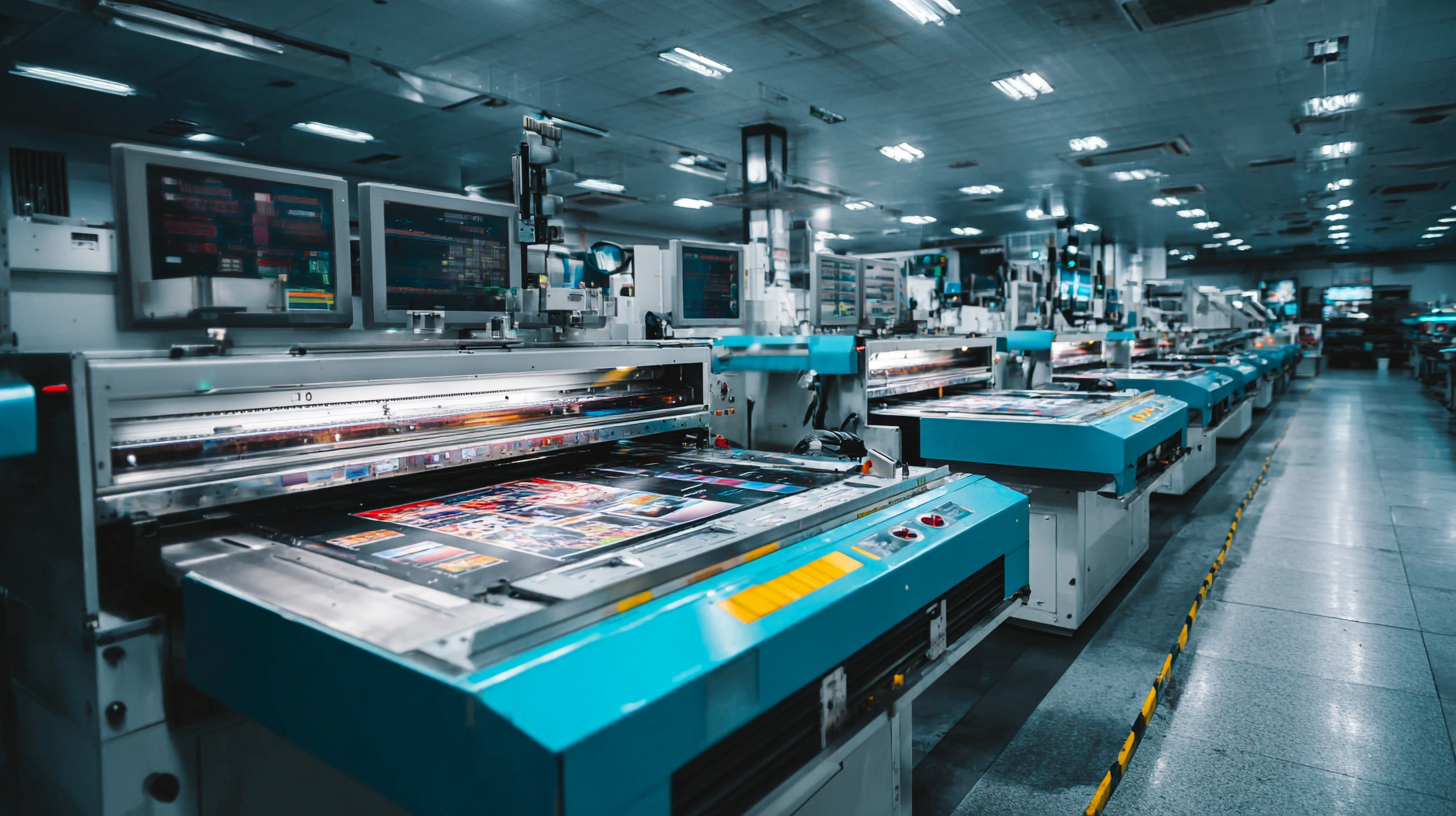
Hey, have you noticed how quickly electronics manufacturing is changing these days? The way digital tech is being integrated into traditional Automatic Optical Inspection (AOI) methods is totally reshaping the scene. I came across a report from Market Research Future saying that by 2026, the global AOI market could hit around USD 1.29 billion—that’s pretty impressive. Most of this growth is fueled by the leaps we're seeing in artificial intelligence and machine learning. These tech upgrades don’t just help catch more defects; they actually make the whole production process run smoother and faster. If manufacturers jump on board with smart AOI systems, they can cut down on false alarms and really boost the quality of their products.
Using digital tech in AOI also means real-time data analysis becomes a game changer. Companies can keep an eye on their operations nonstop, making quicker calls when something seems off. For example, a study from IPC points out that using integrated AOI systems can cut inspection times by up to half—meaning factories can ramp up production without dropping the ball on quality.
**Quick Tips for Getting Started:** It’s a good idea to start small—try adding AI-powered AOI systems to just a few lines first before going all in. Also, don’t forget to train your team regularly so they’re comfortable with the new tools and up to speed with the latest tech. And of course, keep collecting the data from these systems—use it to make continuous improvements and keep raising those quality standards.
Key Metrics for Measuring Quality Control Success in Manufacturing
In today’s fast-changing world of electronics manufacturing, keeping track of quality control success has really become a big deal. The key metrics we use are super important—they don’t just help us stick to industry standards, but also adapt to all the new tech coming out. For example, things like defect rates, process capability indices, and overall equipment effectiveness give a pretty good snapshot of how things are going on the factory floor. More and more, companies are turning to advanced stats and AI tools to dig deeper into their quality data. This helps them make smarter decisions and really boost their efficiency.
And honestly, innovation is a huge part of improving how we handle quality checks across different sectors. Take zinc smelting plants, for instance—they’re using smart tech to totally rethink their quality management. It’s all about balancing human skills with new tech. As businesses push for better and higher quality, understanding how to read these key metrics and use them well is more important than ever. By creating a culture that’s always looking to improve and going digital, manufacturers can seriously level up their quality game and reach new heights of excellence.
Best Practices for Implementing AOI Systems in Production Lines
You know, incorporating Automated Optical Inspection (AOI) systems into electronics manufacturing isn’t just some trendy thing anymore; it’s pretty much become a necessity. Companies are really pushing for better quality and efficiency, and AOI plays a big role in that. If you look at the market, it was worth around USD 598 million back in 2020, and experts are expecting it to hit a staggering USD 1,660 million by 2026. That just shows how industries are waking up to how crucial these tools are if they want to stay competitive. When you put top-notch AOI practices into your production line, you can seriously cut down on defect rates—leading to higher overall equipment effectiveness, or OEE—which is kind of the holy grail in manufacturing metrics.
Getting AOI right means paying attention to a few key things. First off, calibration is super important—if the system isn’t properly calibrated, you’re probably missing defects or flagging the wrong stuff. That’s where Gage R & R (the whole repeatability and reproducibility thing) comes into play—it helps you make sure your measurement system isn’t just consistent but also reliable. Another cool trick is using deep learning techniques. They help you spot and classify issues faster, which saves time and improves accuracy.
As lean manufacturing practices keep evolving, mixing these high-tech approaches with AOI means better quality control and smoother operations overall. Long story short, incorporating these practices now is definitely shaping the future of electronics manufacturing—and making life a bit easier for everyone involved.
Future Trends: AI and Machine Learning's Role in AOI Inspection
These days, the world of electronics manufacturing is changing super quickly, and one of the biggest game-changers is how Artificial Intelligence (AI) and Machine Learning (ML) are being woven into Automated Optical Inspection (AOI) systems. I read somewhere that the global machine vision market could hit around $12.58 billion by 2026, mainly thanks to the rapid progress in AI tech. This really shows how AI and ML are becoming crucial for making AOI more accurate and efficient — not just by analyzing images faster than ever, but doing so with incredible precision.
You know, machine learning algorithms are getting smarter all the time by learning from huge amounts of data. They keep improving at spotting defects or anomalies in electronic parts, which is pretty impressive. I came across a case study from the Manufacturing Technology Centre, and it said that factories using AI-powered AOI actually saw a 25% drop in false rejects. That’s a big deal because it helps streamline production, cut down on waste, and gives products better quality. All of that adds up to happier customers and more loyalty in the long run. Honestly, with trends like these, it’s pretty clear that the future of quality control in electronics manufacturing is heading toward an AI-powered revolution — and things will only get better from here!
Unveiling the Future of Quality Control with Best Aoi Inspection Techniques in Electronics Manufacturing
| Inspection Technique | Description | Advantages | Future Trends |
| 2D AOI | Uses high-resolution cameras to inspect PCB surface for defects. | Fast and cost-effective; ideal for detecting solder joints and component placements. | Integration with AI for improved defect classification. |
| 3D AOI | Captures multi-dimensional data to evaluate components and joints. | Highly accurate; can detect more complex defects. | Leveraging machine learning to enhance image processing and analysis. |
| X-ray Inspection | Utilizes X-ray technology to view concealed connections within PCBs. | Effective for hidden solder joints and internal component checks. | Growth in automated inspection and data analytics integration. |
| Functional Testing | Tests the operational functionality of assembled PCBs. | Confirms final product reliability; ensures compliance with specifications. | Increasing adoption of automated test equipment powered by AI. |
Real-World Case Studies: Successful AOI Implementations in 2025
You know, the rise of automated optical inspection, or AOI, in electronics manufacturing has totally changed the game when it comes to quality control. Looking at some real-life examples from 2025, you can really see how impactful it’s become. Take this big consumer electronics company, for instance—they finally brought in some seriously advanced AOI systems into their production lines. Using high-res cameras combined with AI, they managed to catch defects way more accurately than before. In fact, in just the first three months, they cut down error rates by over 30%. Not only did this boost the reliability of their products, but it also helped them save a ton on operational costs because there was less rework and material waste.

Then there's this automotive parts manufacturer who jumped on the AOI bandwagon to simplify their complicated assembly process. They started using multispectral imaging, which basically lets them spot issues that used to fly under the radar with traditional methods. After the upgrade, they saw inspection times drop by around 50%, which freed up resources and let their engineers focus more on the really important quality checks. All in all, these examples just show how versatile and effective AOI can be in different parts of electronics manufacturing—and honestly, it’s setting new standards for quality assurance these days.
FAQS
OI systems in manufacturing?
Proper calibration of AOI systems is essential for achieving accurate defect detection, as it directly impacts the performance of the measurement system.
Deep learning techniques aid in defect detection by enabling quicker identification and classification of manufacturing anomalies, leading to improved quality control.
AI and machine learning enhance the accuracy and efficiency of AOI systems by analyzing images at unprecedented speeds, improving defect detection rates through continuous learning from vast datasets.
Factories utilizing AI-driven AOI experienced a 25% decrease in false rejects, optimizing production lines and leading to higher quality standards and customer satisfaction.
A leading consumer electronics manufacturer, by integrating advanced AOI systems, reduced error rates by over 30% in the first quarter through high-resolution imaging and artificial intelligence.
An automotive components company implemented AOI with multispectral imaging, resulting in a 50% decrease in inspection time and allowing engineers to focus on more critical quality metrics.
The AOI system market is projected to grow from approximately USD 598 million in 2020 to USD 1,660 million by 2026, indicating the increasing recognition of its importance in manufacturing.
Future trends indicate a growing integration of AI and machine learning into AOI systems, further enhancing their role in quality control and operational efficiency in electronics manufacturing.
Best practices include ensuring proper calibration, leveraging deep learning techniques for detection, and combining innovative approaches with AOI to enhance quality control and efficiency.