- Home
- Products
- News
- About Us
- Support center
- Contact Us
inquiry
Leave Your Message
In the fast-paced world of surface mount technology (SMT), staying on top of quality control is absolutely crucial for manufacturers who want to stay competitive. With over 15 years under our belt, MOREL EQUIPMENTS CO., LIMITED has really grown from just a supplier of accessories into a full-on solutions provider. We now specialize in cutting-edge stuff like pick-and-place machines and automatic soldering robots. One of the coolest innovations lately is Aoi Inspection—it's a total game-changer when it comes to quality checks. This blog’s gonna lay out seven solid reasons why investing in Aoi Inspection makes sense. It can help you streamline your production, cut down on defects, and boost your bottom line. By adopting Aoi Inspection, manufacturers aren’t just improving their quality assurance—they’re showing they’re serious about excellence in a pretty competitive market. So, if you’re looking to level up, this might just be the tech you need.
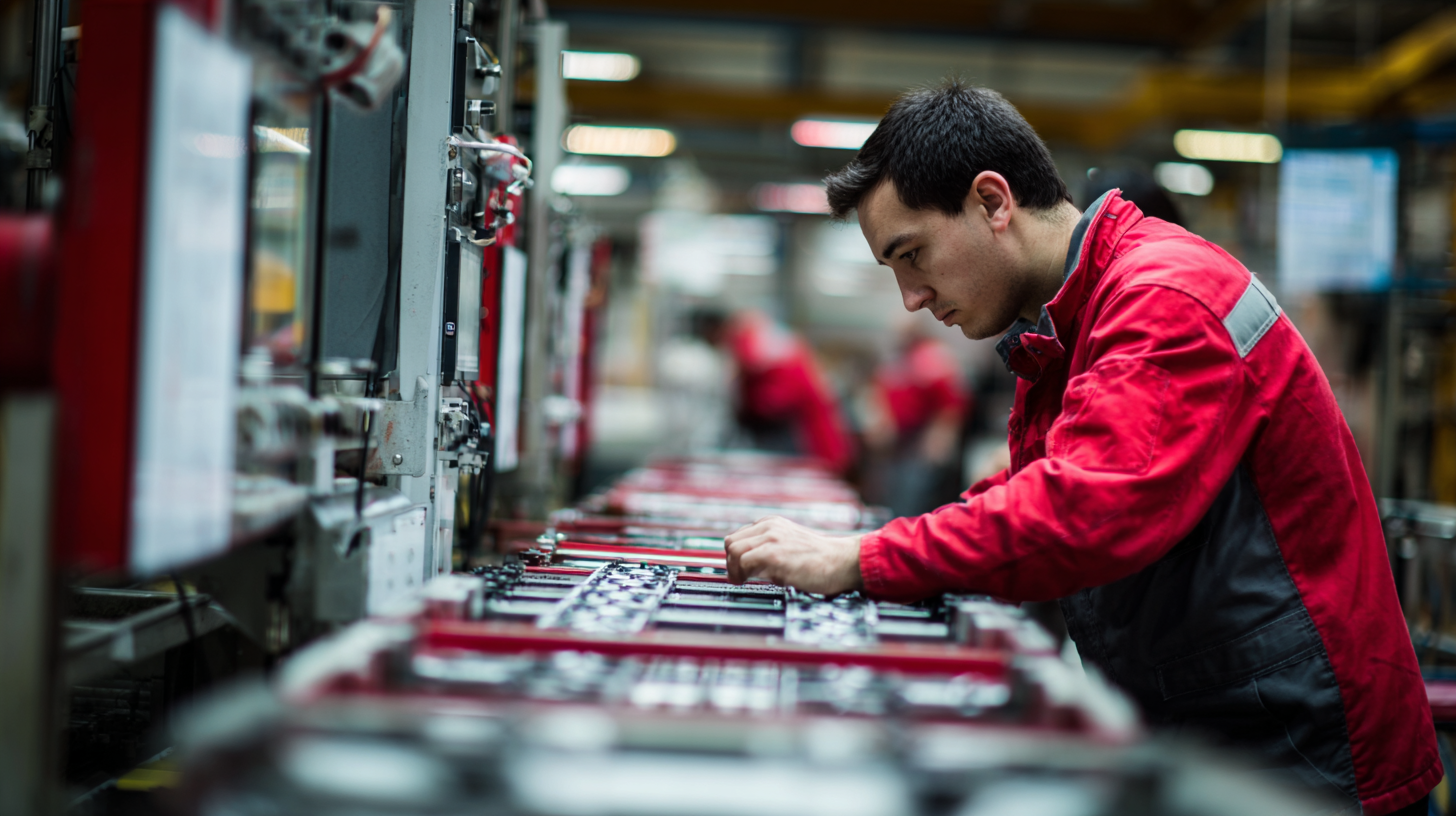
You know, Automated Optical Inspection (or AOI, as everyone tends to call it) has really become a game-changer in quality control these days. It's fantastic for boosting both accuracy and speed in manufacturing. One of the coolest things about AOI is how it can spot issues at different stages of production—no matter if it's tiny soldering mistakes or components that are slightly off. Thanks to high-res cameras and clever software, AOI systems make sure only the products that pass strict quality checks actually make it to customers.
And here's the kicker—using AOI also makes workflows smoother and cuts down costs. Automating the inspection means less reliance on folks doing it manually, which not only reduces mistakes but also speeds things up. That way, manufacturers can respond faster to market shifts, all while keeping their product quality top-notch. As more companies realize how crucial quality assurance is, investing in AOI isn’t just a good move anymore; it’s pretty much a necessity if you want to stay competitive in this ever-changing industry.
In the ever-evolving landscape of electronics manufacturing, the importance of production efficiency cannot be overstated. The AIS50X Online SMT/THT/DIP AOI Machine stands out as a game-changer, meticulously designed to streamline quality inspection processes in electronics assembly. According to industry reports, defects in printed circuit boards (PCBs) can lead to significant losses, with defective assemblies costing companies upwards of $50,000 per incident in repairs and replacements. With the AIS50X, manufacturers can mitigate these risks and enhance their operational efficiency.
The AIS50X utilizes cutting-edge imaging technology combined with intelligent inspection algorithms to conduct high-speed inspections of common assembly defects. These include misaligned components, solder bridges, and insufficient soldering—issues that, if left unaddressed, can compromise the reliability of electronic devices. A recent study highlighted that properly implemented AOI systems can reduce defect rates by as much as 90%, promoting both product quality and customer satisfaction. For manufacturers striving to adhere to stringent industry standards, the AIS50X offers a robust solution to keep pace with the increasing demands for reliability in electronic assemblies.
As electronics manufacturing continues to expand globally, adopting advanced AOI solutions like the AIS50X becomes crucial for maintaining a competitive edge. Its ability to deliver fast and reliable defect detection not only enhances productivity but also ensures compliance with the rigorous quality requirements of the industry. With the increasing complexity of PCB assemblies, investing in machines that can accurately identify a broad spectrum of defects is essential in safeguarding product integrity and optimizing production efficacy.
OI systems in manufacturing?
The typical ROI for AOI systems is around 25-30% within the first year of deployment.
Initial training sessions for operators are crucial to maximize system efficiency and ensure the best quality outputs.
AOI integration enhances precision in defect detection, reduces human error, and speeds up inspection processes, which is vital in fast-paced production environments.
Yes, AOI systems can seamlessly integrate with existing quality control processes, allowing for a smoother transition for teams already accustomed to their protocols.
The future of AOI technology includes the use of artificial intelligence and machine learning for better defect detection, as well as integration with Industry 4.0 standards for real-time data analytics.
The AOI market is projected to grow significantly, highlighting its essential role in ensuring product quality and reliability in industries such as automotive and consumer electronics.
Manufacturers implementing AOI can reduce defect rates by up to 90%, which leads to enhanced customer satisfaction and increased brand loyalty.
AOI systems can shorten inspection times by over 60%, allowing personnel to focus on more complex tasks and consequently saving on labor costs through reduced manual inspections.
Real-time data and analytics from AOI technology provide quality control teams with unprecedented visibility into production lines, enabling proactive adjustments and optimized processes.
You know, Aoi Inspection has really become a game-changer when it comes to improving quality control in manufacturing. It makes the whole process smoother and helps ensure that products are more consistent and reliable. Plus, it’s a big help in cutting down costs — fewer waste and defects mean savings all around. When companies add these advanced inspection systems into their existing quality checks, they can stick to strict standards and stay flexible enough to keep up with changing industry demands.
At Morel Equipments Co., Limited, we’ve been around for over 15 years, specializing in surface mount tech. We totally get how powerful Aoi Inspection can be. That's why we’re committed to offering all kinds of solutions — from Pick And Place Machines to automatic soldering robots — that fit right into the evolving world of Aoi Inspection. It’s all about boosting product quality and helping businesses stay ahead in such a competitive market.