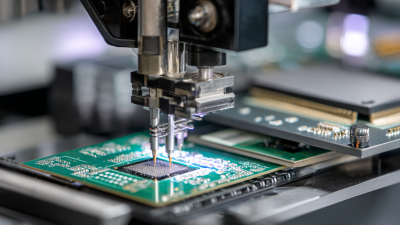
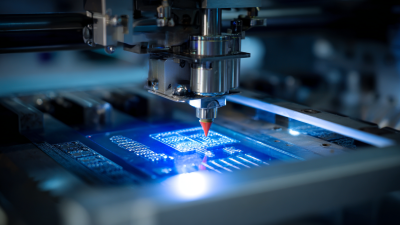
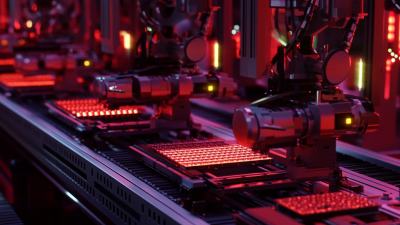
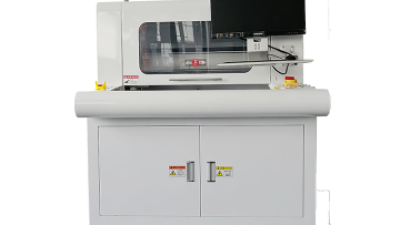
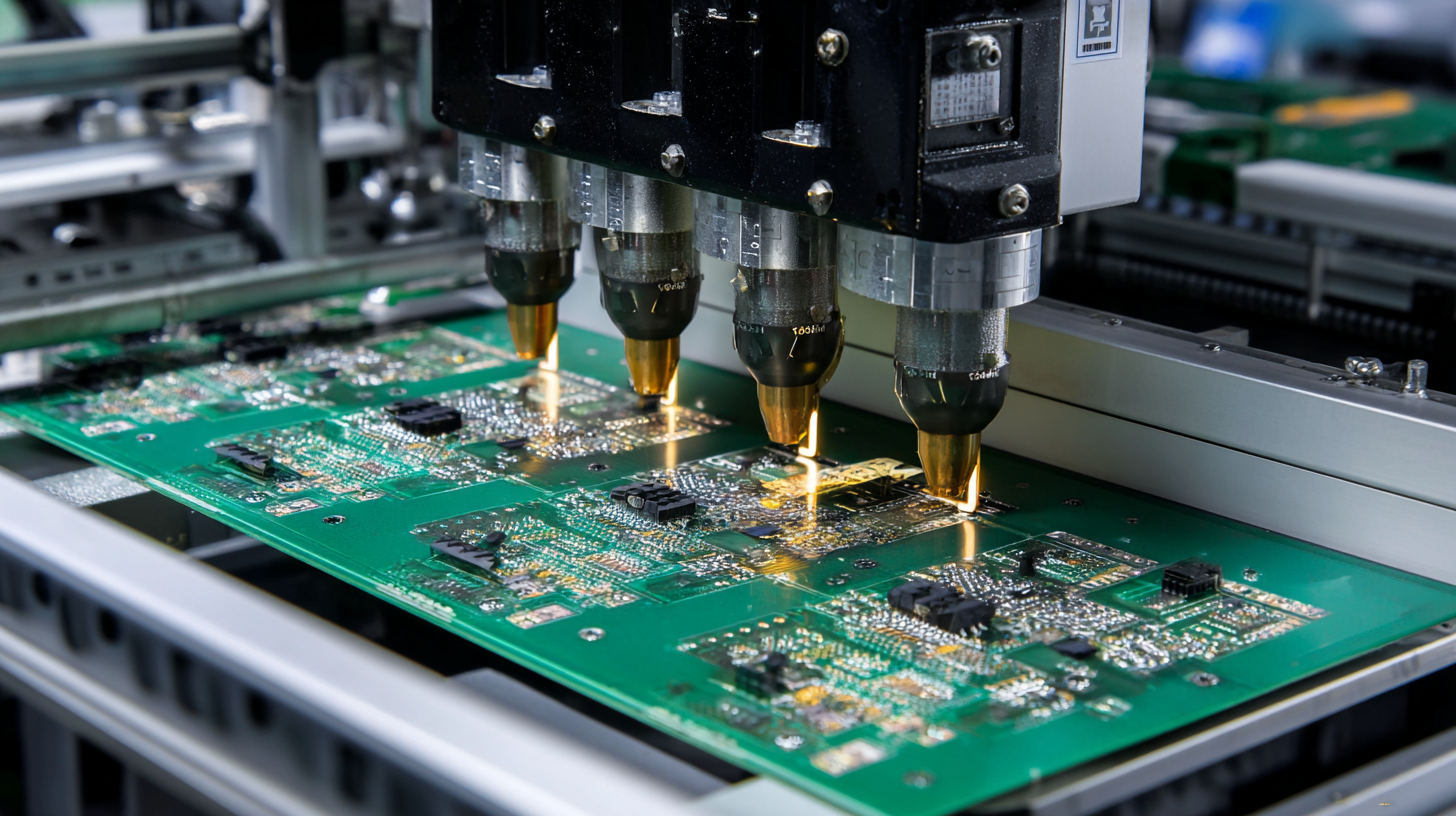
 In the fast-changing world of electronics manufacturing, squeezing out maximum efficiency during PCB assembly is pretty much essential if you wanna stay ahead of the game. I recently read that up to 60% of the costs involved in putting together PCBs come down to that printing step. So, choosing a reliable Pcb Stencil Printer really matters — it can make or break your process. At Morel Equipments Co., Limited, we’ve been around for over 15 years, working in surface mount technology (SMT). We totally get how important this is, and we’ve grown from just offering accessories to providing complete solutions. Our lineup includes top-quality pick-and-place machines, automatic soldering robots, and high-end solder paste equipment — all designed to help you run smoother and faster. Picking the right PCB stencil printer doesn’t just boost how precisely you deposit the paste; it also cuts down on waste and rework. Long story short, it helps you turn things around faster and actually makes more profit in the end.
Understanding the Importance of PCB Stencil Printing in Assembly Efficiency
When you're dealing with PCB assembly, you quickly realize that the process's efficiency really hinges on how good your stencil printing is. Honestly, getting that step right is super important because it’s what ensures the solder paste is applied just right—crucial for good adhesion and avoiding all those pesky defects. Some industry reports even say that mistakes during stencil printing can cause yield losses of up to 30% (you know, like, a third of your product might be affected!). So, investing in a solid, high-quality PCB stencil printer isn't just a luxury—it's kind of a must for manufacturers who want to run smoothly and keep their standards high.
Plus, the ability to dial in the paste deposition really makes a difference later on in the assembly process. I read somewhere that, after switching to automated stencil printing systems that let you control paste thickness and alignment with precision, manufacturers saw about a 20% drop in defect rates. That’s a pretty big deal! Not only does this boost the overall production speed, but it also cuts down on rework and wasted materials. Honestly, choosing the right PCB stencil printer isn’t just about buying a piece of equipment—it’s a key part of making sure the entire assembly process runs like a well-oiled machine.
Key Factors to Consider When Choosing a PCB Stencil Printer
When you're choosing a PCB stencil printer, there are a few key things you really want to keep in mind to make sure your assembly process goes smoothly. One of the biggest factors is how accurate and high-resolution the printer is. I mean, a study by IPC estimates that about 70% of PCB defects actually come from stencil printing. So, investing in a printer that offers good resolution can really make a difference—because it ensures the solder paste gets applied just right, which in turn affects the overall quality of your finished boards.
Another thing to think about is whether the printer is compatible with different printing technologies. As the industry evolves, more folks are using things like laser-etched stencils and stainless steel options. According to a 2023 report by Market Research Future, the global PCB market is expected to hit $100 billion by 2025. That just goes to show how important it is to pick a printer that can handle various materials and tech without sacrificing speed. Ultimately, choosing the right printer can save you quite a bit on costs and help bump up your production yields—win-win, right?
PCB Stencil Printer Efficiency Comparison
This chart demonstrates the efficiency of different PCB stencil printers based on the speed of printing and the precision achieved.
Comparative Analysis of Manual vs. Automated Stencil Printers
When you're looking at PCB stencil printers, deciding between manual and automated models can really make a difference in how smoothly your assembly process runs. Manual stencil printers are pretty flexible and usually cost less upfront, so they’re often a good choice if you’re working on small projects or just testing things out. They give operators direct control over the printing, which is handy when you need to tweak things on the fly. That said, relying on manual operation can sometimes lead to inconsistencies in how the paste is applied, plus it might cost you more in labor because it takes more time to set up and run each job.
On the flip side, automated stencil printers offer a lot of advantages, especially if speed and precision matter to you. These machines can handle large batches with very little human input, which helps cut down on mistakes and keeps things consistent over time. They usually come equipped with cool features like vision systems for alignment and controlling how thick the paste gets, making sure everything’s deposited just right. The initial price tag is definitely higher, but if you’re running medium to large-scale production, the boost in productivity and quality can totally make up for it. Basically, taking a good look at what your production needs are will help you figure out which type of printer is the best fit for your setup.
Maximize Your PCB Assembly Efficiency: Comparative Analysis of Manual vs. Automated Stencil Printers
| Feature | Manual Stencil Printer | Automated Stencil Printer |
| Setup Time | High (25-30 mins) | Low (5-10 mins) |
| Operation Complexity | Moderate | Low |
| Production Speed | Medium (10-15 PCBs/hour) | High (30-50 PCBs/hour) |
| Accuracy | Moderate (± 0.2 mm) | High (± 0.05 mm) |
| Ease of Use | Requires Training | User-Friendly |
| Cost | Low ($2,000 - $5,000) | High ($15,000 - $50,000) |
| Maintenance | Low | Higher due to complexity |
| Ideal Production Volume | Low to Medium | Medium to High |
Best Practices for Maintaining Your PCB Stencil Printer
Keeping your PCB stencil printer in good shape is pretty much essential if you wanna get the most out of your PCB assembly process. These days, with electronics getting more and more complicated, a report from IPC points out that as much as half of production defects come from printing mistakes. So, staying on top of regular maintenance isn’t just a good idea — it’s pretty much necessary if you want your results to be top-notch. Simple habits like cleaning the stencil regularly, checking for wear and tear, and calibrating your printer can really cut down on downtime and boost print accuracy.
Here are some tips to keep your printer running smoothly:
1. **Daily upkeep:** Kick off each day by giving the stencil a good clean and scanning for any bits of debris or leftover paste.
2. **Calibration checks:** Every few months, set aside some time to recalibrate. It keeps your print dimensions consistent, which is huge for quality.
3. **Software updates:** Make sure your printer’s software is always up-to-date. The latest updates can bring new features and fix bugs, making everything run more reliably.
At Morel Equipments Co., Limited, we’ve been around in the SMT game for over 15 years. We totally get how vital a good stencil printer is to your assembly line. Whether you’re after pick-and-place machines or solder paste equipment, we’ve got solutions that help you keep things running smoothly and maintain that high level of efficiency in your PCB manufacturing.
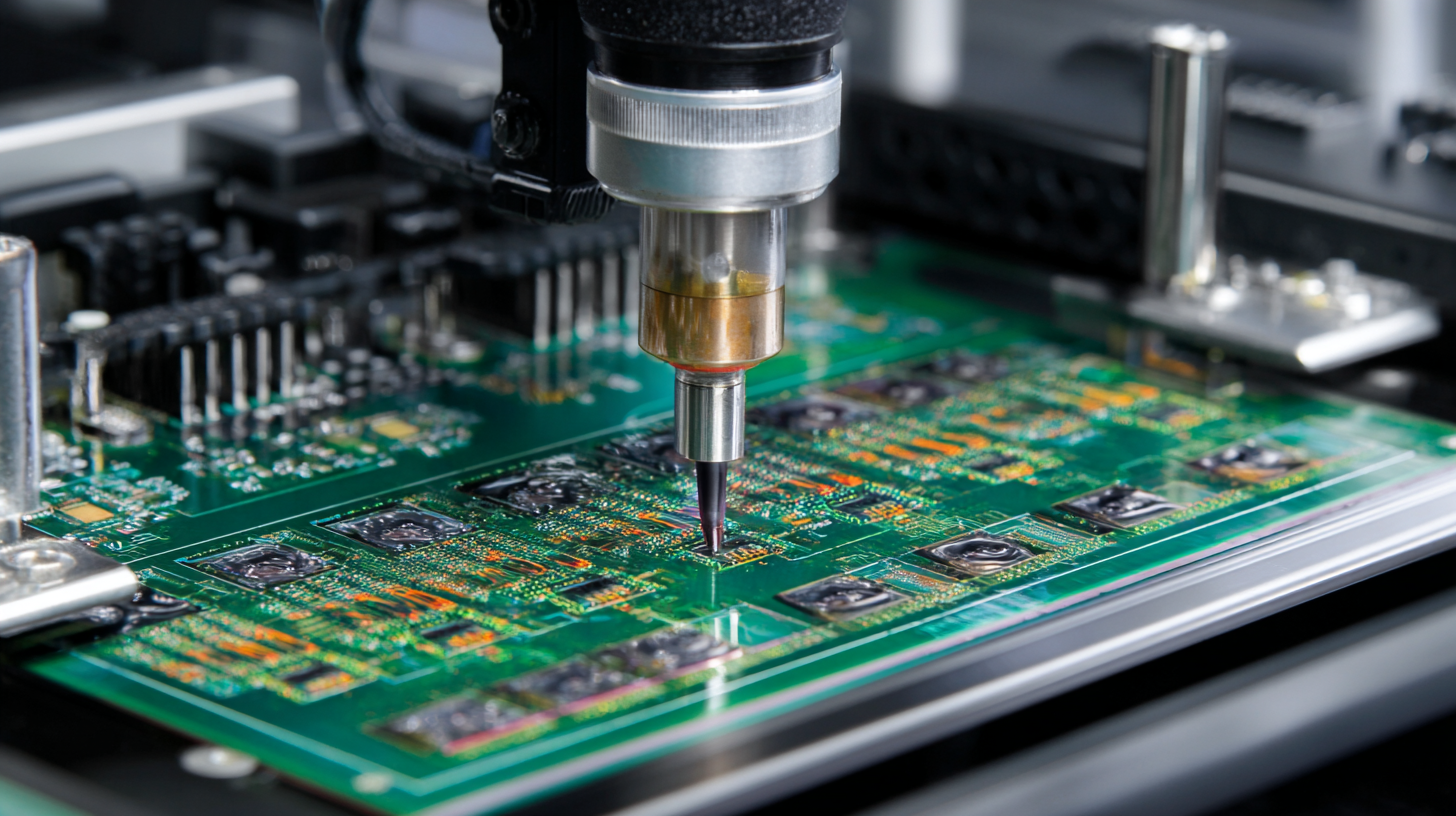
Tips for Optimizing Stencil Print Quality and Reducing Waste
When you're looking to get the most out of your PCB assembly process, making sure your stencil print quality is top-notch really makes a difference. Honestly, one of the best ways to do that is by setting up your stencil correctly. That means choosing the right stencil material and thickness based on your specific PCB design. For those tiny, fine-pitch components, a thinner stencil usually does the trick, while a thicker one can handle larger pads better. Oh, and don’t forget — lining up the stencil perfectly with the PCB is super important. It helps get the paste just right and cuts down on defects.
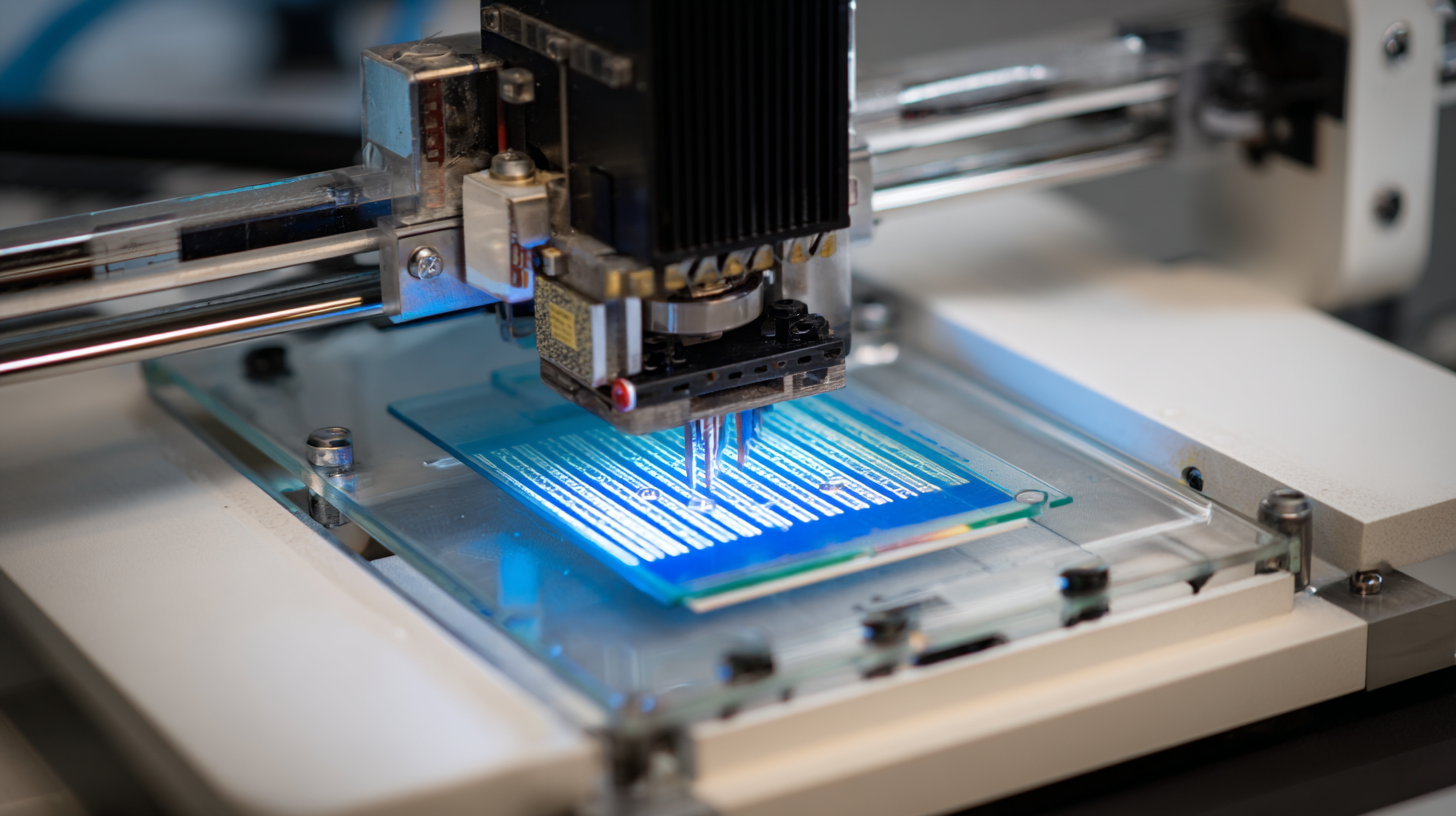
Another thing to keep in mind if you wanna cut down on waste during printing is finding the right balance in pressure and speed. Pushing too hard can cause the paste to bleed and make things messy, but too little pressure can leave gaps in the solder paste transfer. As for speed, going too fast might mess with the quality, while going too slow isn’t very efficient. It’s also a good idea to regularly check and clean your stencils, and keep your printing equipment calibrated. These little steps really help keep everything running smoothly, ensure high-quality prints, and save materials in the long run.
Integrating Your PCB Stencil Printer into Your Assembly Line Workflow
Adding a PCB stencil printer into your assembly line can really boost your manufacturing game, especially when it comes to surface mount technology (SMT). As everyone’s craving more compact and complex designs these days, fine-tuning each step of the process is more important than ever. Choosing the right stencil printer—that fits your specific PCB setup—makes a big difference, because it helps you apply solder paste with pinpoint accuracy. That’s a must-have when you're working with small or uniquely shaped boards and want your components to go on just right.
You’ve probably heard about recent upgrades, like that multi-million dollar investment in top-of-the-line PCB assembly equipment. It’s a clear sign that the industry’s really focused on pushing capabilities further. When your stencil printer syncs perfectly with the rest of your assembly line tools, everything runs more smoothly—less waste, less time wasted, and overall more efficient. Plus, using high-precision equipment doesn’t just streamline the workflow; it also means the finished PCBs are better quality, which means more reliable, better-performing final products. If you leverage technology smartly, your setup will be way more agile and ready to tackle changing market demands with ease.
Optimizing PCB Manufacturing: A Comprehensive Look at the CMQ360 Depaneling Router
The CMQ360 Depaneling Router is a cutting-edge solution designed to optimize PCB manufacturing processes. Central to its operation is the dual 16 million high-speed camera auxiliary programming system, which streamlines the programming of complex designs. This innovative feature enhances accuracy and reduces the time spent on setup, allowing manufacturers to maintain a competitive edge in the fast-paced electronics industry.
Moreover, the high-speed CCD vision automatic correction system significantly boosts cutting precision and operational efficiency. This technology ensures that each cut is accurate, thereby minimizing waste and maximizing the yield of usable boards. The router utilizes a high-speed spindle to perform PCB cutting and splitting with minimal stress, accommodating various circuit board shapes without compromising quality.
The dual-table movement feature further enhances productivity by enabling simultaneous processing of two different products. This capacity not only cuts down on production time but also allows for more versatile manufacturing capabilities. Additionally, the independent external dust collection cabinet promotes a cleaner working environment with low noise operation, while the reusable integrated bag minimizes ongoing costs. With a user-friendly Windows operating system, the CMQ360 serves as a safe and stable option for manufacturers seeking to elevate their PCB production efficiency.
FAQS
: Optimizing stencil print quality is crucial for maximizing PCB assembly efficiency.
Proper stencil setup, including selecting the right material and thickness, and maintaining precise alignment with the PCB, enhances paste deposit accuracy and reduces defects.
Thinner stencils are beneficial for fine-pitch components, while thicker stencils can accommodate larger pads.
Excessive printing pressure can lead to paste bleeding and uneven application, while insufficient pressure may result in inadequate solder paste transfer.
The speed of the printer affects quality; printing too fast can compromise quality, while printing too slow can lead to inefficiencies.
Regular inspections and cleanings of stencils, along with consistent calibration of printing equipment, are key practices to maintain quality and minimize waste.
Integrating a PCB stencil printer can significantly enhance manufacturing efficiency and facilitate precise solder paste application for compact and intricate designs.
Investments in advanced PCB assembly machinery demonstrate the industry's commitment to improving manufacturing capabilities.
Ensuring the stencil printer aligns with other assembly line equipment can minimize waste and reduce production time.
Effective technology integration optimizes workflow, enhances the overall quality of produced PCBs, and positions the assembly line to meet evolving market demands with agility and efficiency.
Conclusion
Looking to boost your PCB assembly game? If so, understanding the ins and outs of a PCB stencil printer is pretty key. This little guide will walk you through the main points to think about when choosing a printer — whether you’re leaning towards manual or automated, and how to keep things running smoothly with good maintenance habits. When you get the PCB stencil printer properly integrated into your production line, you’ll notice a big difference — more productivity, less waste, and a much better print quality overall.
Now, speaking from experience, Morel Equipments Co., Limited, with over 15 years in the SMT industry, really shows why investing in top-notch machinery and accessories matters. They’re a one-stop shop, offering cutting-edge equipment like PCB stencil printers that are designed for manufacturers who are serious about optimizing both efficiency and quality. Honestly, having reliable tools can make a huge difference in how smoothly everything runs — it’s all about working smarter, not harder.