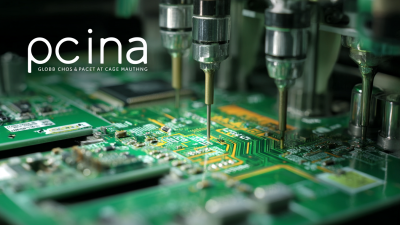
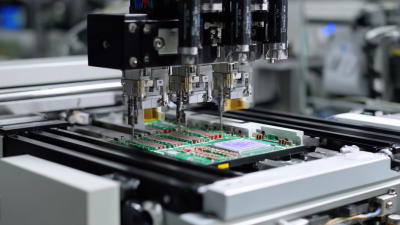
In today’s fast-moving world of electronics manufacturing, staying efficient is absolutely key if you want to stay ahead of the competition. Thanks to cutting-edge tech like the Pcb Pick And Place Machine, the assembly process has been totally transformed—speeding things up and hitting higher levels of precision than ever before. At Morel Equipments Co., Limited, we've been around the block for over 15 years, deep in the SMT industry, so we really get how these machines work inside and out. We started out mainly offering accessories, but now we’re all about providing comprehensive solutions—you know, not just Pcb Pick And Place Machines, but also automatic soldering robots, ICT & Fct Testers, and solder paste equipment. In this article, I want to dive into some data-driven tricks that can help you get more out of your Pcb Pick And Place Machines, leading to better efficiency and a boost in productivity for your manufacturing line.
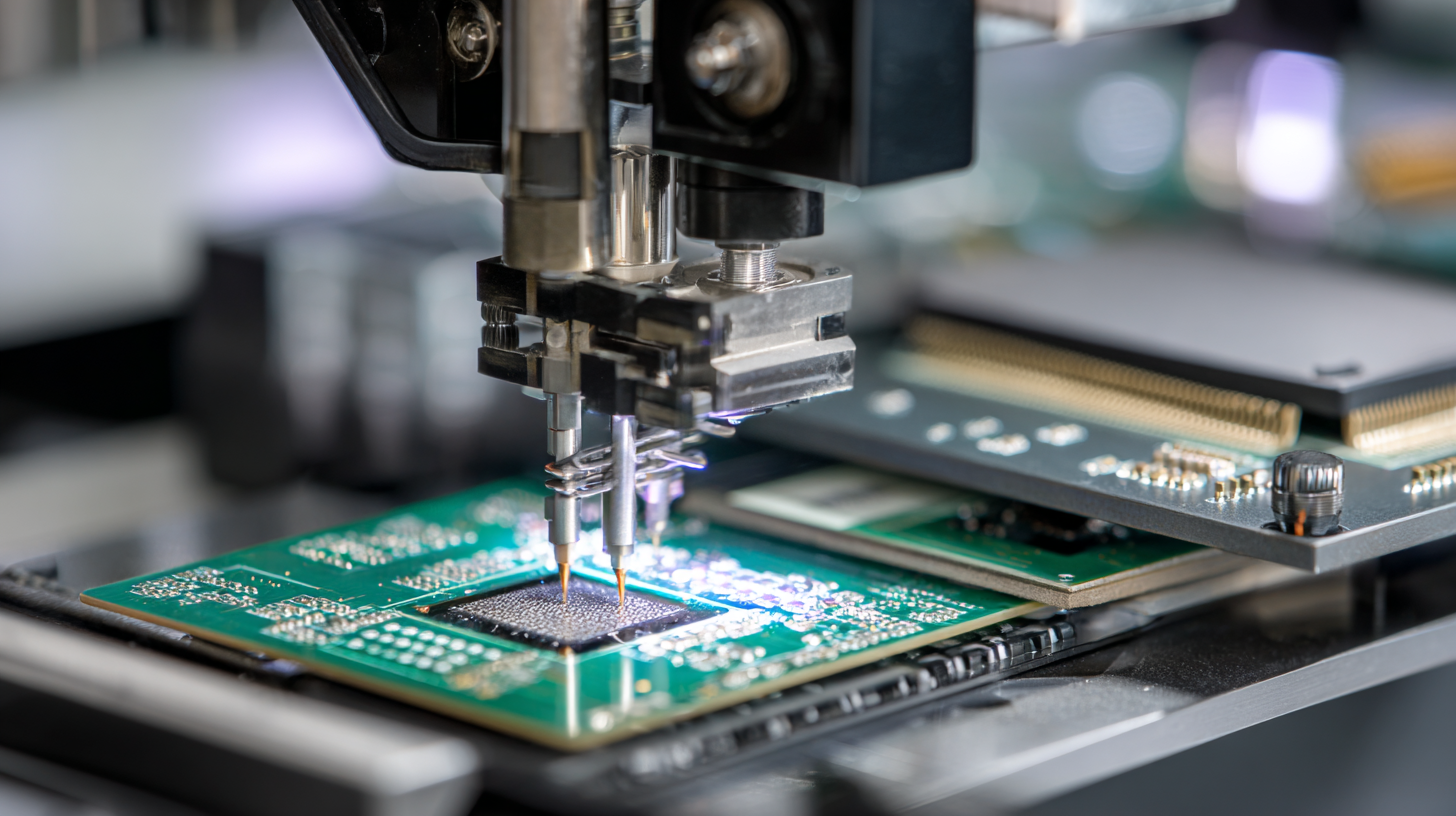
Understanding the Basics of PCB Pick and Place Machines for Enhanced Efficiency
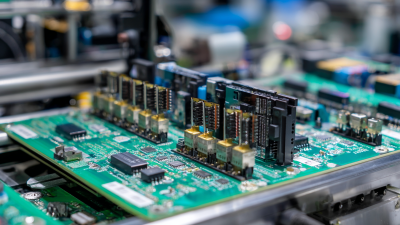
You know, PCB pick and place machines really play a huge role in making manufacturing in electronics much more efficient. Once operators get a good grip on how these machines work, they can really tap into their full potential—stuff like boosting production and cutting down on waste. I’ve read that, with some of the latest automation tech, factories have seen productivity jump by as much as 30%. That’s a pretty big deal—it means faster cycles and less money spent on labor, which is always a win.
And it’s not just electronics — we’re also seeing this trend in construction and HVAC fields. Everyone’s talking about energy efficiency these days, right? So, the way machines are built is changing too. With smart tech integrated, these machines can be monitored and tweaked in real-time, making everything run smoother and greener at the same time. It’s estimated that just improving machinery efficiency could save around 20-40% of energy—kind of similar to what energy-heavy industries are trying to do to cut back overall consumption. So yeah, for manufacturers who want to stay ahead and innovate, really understanding these tools and using data smartly is huge. It’s all about working smarter, not just harder.
Efficiency of PCB Pick and Place Machines
Key Features to Look for in High-Performance PCB Pick and Place Equipment
When you're on the hunt for high-performance pick and place machines for your PCB assembly, there are a few key features you really want to keep an eye on. First off, precision is a big deal — you want a machine that can place tiny components with incredible accuracy. Look for ones with high-res cameras and advanced vision systems; they make sure everything lines up just right and cut down on mistakes. It's also smart to choose a machine that's flexible — capable of handling all sorts of components, big or small, because modern PCBs tend to have a mix of both.
Speed is another critical factor. You want a machine that can work quickly but still keeps accuracy as a top priority. Finding that sweet spot really helps keep your production line running smoothly. Plus, a user-friendly software interface makes life easier — so quick adjustments and optimizations can be done without a headache, letting you stay adaptable to any changes in your workflow.
Oh, and here's a little tip: go for a machine with automated feeders. It might be a bit of an investment upfront, but it really cuts down on downtime between setups. And if you can find one with good data analytics features, that's even better — they give you insights into your production process, helping you spot trends and areas to improve. All these little extras not only make your operation more efficient but also help ensure your end products are top-notch quality.
Data-Driven Techniques for Optimizing PCB Assembly Processes
In the fast-changing world of electronics manufacturing, tweaking and optimizing PCB assembly processes is more important than ever if you want everything to run smoothly and efficiently. Using data-driven methods really makes a difference here. With real-time analytics, manufacturers can keep an eye on how production is flowing and quickly spot any snags or bottlenecks that might slow things down. Some pretty advanced software tools, often powered by machine learning, look at past performance data to predict potential failures or when maintenance might be needed. This kind of proactive approach not only helps minimize downtime but also makes the whole assembly process a lot smoother and more efficient.
On top of that, setting up data collection systems at each step of assembling the PCB gives you some pretty valuable insights. For example, keeping track of how accurately components are placed or how well solder paste is applied can really help manufacturers make quick adjustments on the fly. By using these insights, they can tweak settings to boost yield rates and cut down on defects. Basically, implementing these data-driven strategies creates a continuous feedback loop—constantly informing and improving the process. The end result? Greater efficiency, lower costs, and a better overall product quality. It’s all about making smarter decisions, faster, and staying ahead in the game.
Integrating AI and Automation for Improved Pick and Place Performance
You know, the way AI and automation are mixing into PCB pick-and-place machines is really changing the game when it comes to manufacturing. With the latest algorithms and machine learning magic, these machines can actually make real-time decisions about where to put each component. This means fewer mistakes and faster production lines — it’s pretty impressive. And in situations where precision is everything, using AI doesn't just speed things up; it also improves the overall quality. Plus, it cuts down on the need for humans to step in so much, which helps keep things consistent.
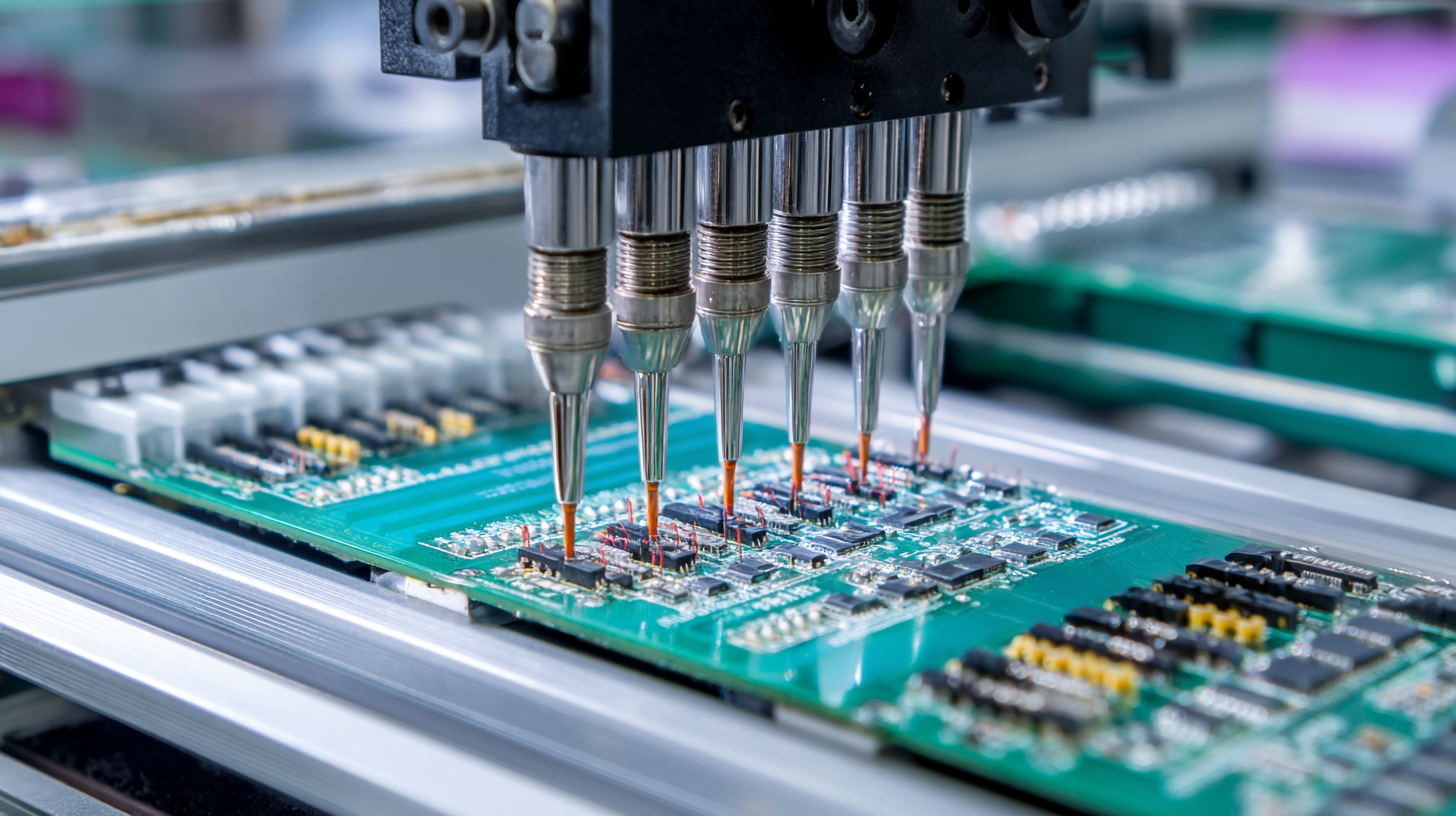
On top of that, more and more companies are bringing AI into their daily operations, and there's solid proof that these techs actually help employees unlock their full potential. For example, by making workflows smoother and supporting data-driven decisions, workers can spend more time on tasks that need creativity and critical thinking — stuff a machine can’t quite handle yet. It’s this cool mix of human talent and automation that fuels innovation and boosts efficiency. Overall, it’s pushing companies to be more competitive in a market that’s moving fast and doesn’t wait for anyone.
Troubleshooting Common Issues to Maintain Operational Efficiency in PCB Assembly
Troubleshooting common issues in PCB assembly is super important if you want things to run smoothly. Using pick-and-place machines can really boost your productivity, but let’s be honest — they’re not perfect. Things like misalignment or handling mistakes can still happen. The good news? By tapping into data and analytics, manufacturers can get ahead of these problems with predictive maintenance. Checking machine performance regularly helps catch anomalies early, so you can fix stuff before it turns into a costly shutdown.
On top of that, bringing AI into the inspection process has been a game changer. It’s not just about speeding things up — AI can also spot defects more accurately, reducing errors right when it counts. As smart manufacturing gets more advanced, understanding both the tech and the day-to-day operations becomes crucial. Focusing on these areas lets manufacturers anticipate issues and keep their assembly lines running efficiently, which is especially key in today’s tough supply chain environment.
Best Practices for Regular Maintenance and Calibration of PCB Machines
Keeping your PCB pick and place machines well-maintained and properly calibrated is a total must if you want them to run smoothly and efficiently. Honestly, sticking to regular inspections can save you a ton of headaches later on—catching problems early before they turn into expensive downtime. Plus, giving components like feeders and nozzles a good cleaning on a routine basis helps keep everything running accurately without any surprises. If you follow a solid maintenance plan, you’re not just protecting your machines from wear and tear—you’re also making sure they last longer and keep your production quality top-notch.
And don’t forget about calibration. It’s super important because it directly affects how precise your PCB assembly is. Doing these checks periodically, especially after big runs or switching up materials, keeps the machines aligned with the specs you need. Using automated calibration tools can make the whole process way easier—quicker adjustments, less room for human error. Overall, when you put effort into both maintenance and calibration, your machines work better, faster, and you end up reducing waste and boosting your production. Sounds like a win-win, right?
Innovative Solutions for Quality Control: An In-Depth Look at the S-7200 X-Ray Inspection System Machine
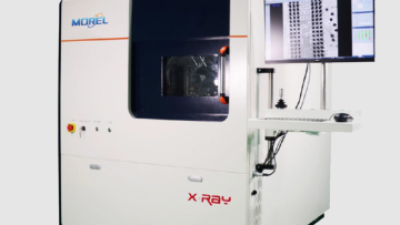
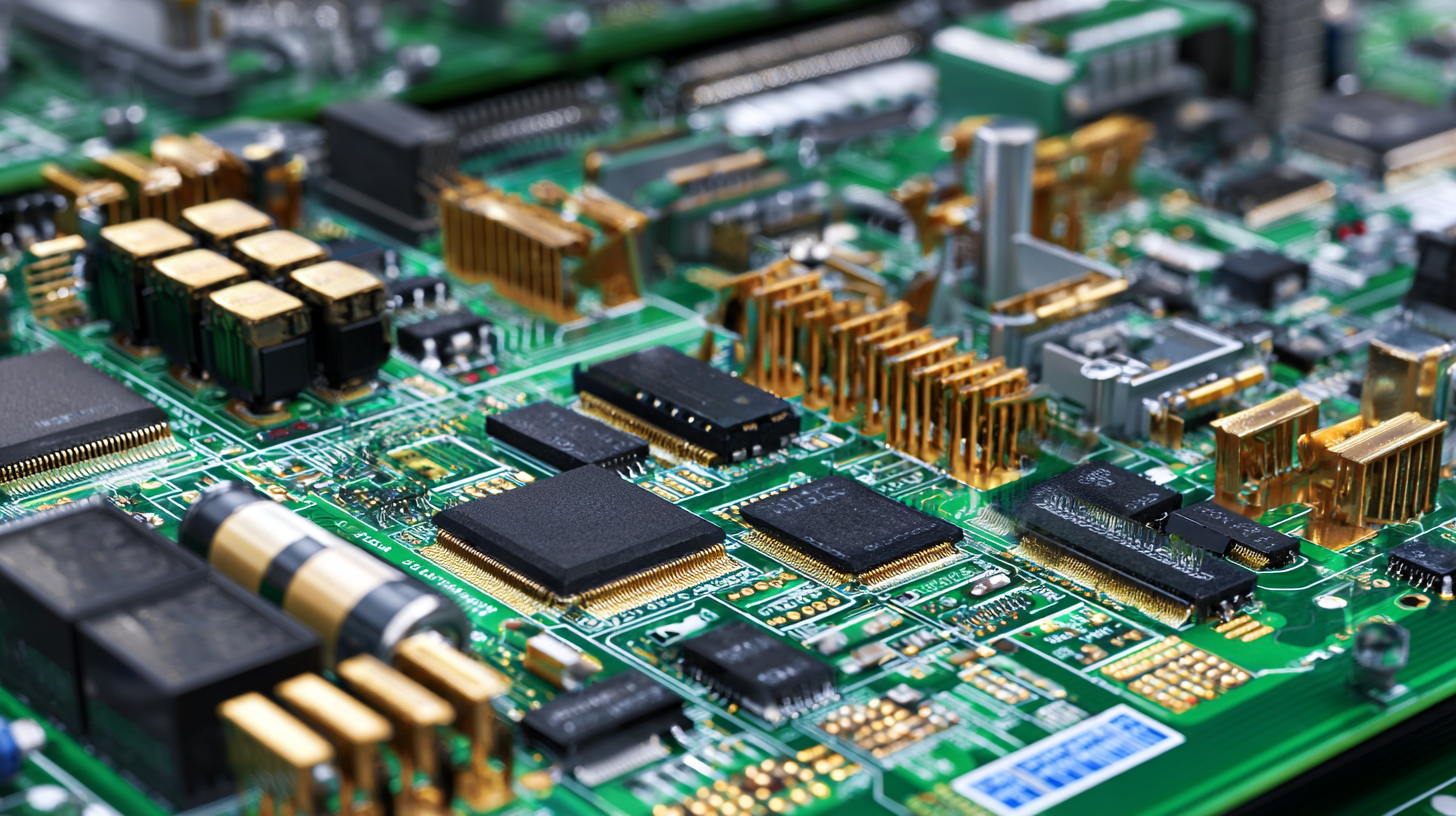
The S-7200 X-Ray Inspection System stands out as a pivotal innovation in quality control within the electronics manufacturing sector. With the increasing complexity of printed circuit boards (PCBs) and the miniaturization of electronic components, manufacturers are increasingly challenged to ensure that their products meet stringent quality standards. According to recent industry reports, implementing advanced non-destructive testing (NDT) solutions, like the S-7200, can enhance defect detection rates by up to 40%, significantly minimizing costly recalls and warranty claims.
Featuring high-resolution X-ray imaging capabilities, the S-7200 allows for real-time inspections that are crucial for identifying hidden defects within multi-layer PCBs and tightly packed electronic assemblies. This system is engineered to provide unparalleled precision and accuracy, ensuring that every inspection meets the stringent demands of modern electronics manufacturing. Research from leading quality assurance agencies has shown that systems capable of high-resolution imaging can reduce inspection time by over 30%, improving overall productivity while maintaining the highest levels of quality assurance.
Incorporating the S-7200 X-Ray Inspection System not only streamlines the inspection process but also aligns with industry trends towards automation and advanced analytics. By integrating such state-of-the-art technology, manufacturers can experience increased operational efficiency and achieve compliance with international quality standards, ultimately leading to enhanced customer satisfaction and a competitive edge in the marketplace.
FAQS
: PCB pick and place machines are used to enhance manufacturing efficiency in the electronics industry by automating the placement of components onto printed circuit boards.
Recent studies suggest that adopting advanced automation technologies can lead to a productivity boost of up to 30%, significantly reducing cycle times and labor costs.
The trend towards energy efficiency influences machine design across various sectors, including electronics, by integrating smart technologies for real-time monitoring and adjustments.
Optimizing machinery efficiency could result in energy savings of around 20-40%, paralleling efforts in other energy-intensive sectors aimed at reducing overall consumption.
Regular maintenance is crucial as it helps identify potential issues early, prevents costly downtime, and ensures consistent accuracy during operation.
A maintenance schedule should include regular inspections, cleaning of components (like feeders and nozzles), and adherence to best practices to prevent wear and tear and maintain high production quality.
Calibration directly impacts the precision of PCB assembly, and implementing periodic calibration checks helps ensure that machines align with required specifications.
Utilizing automated calibration tools can streamline the calibration process, allowing for quick adjustments while minimizing human error.
Prioritizing maintenance and calibration maximizes machine efficiency, improves production rates, and reduces waste in manufacturing operations.
Conclusion
When it comes to PCB manufacturing, getting the most out of your pick and place machines is a total game-changer for boosting productivity. Honestly, just knowing the basics of how these machines work, what features to prioritize, and using data-driven methods can really make a difference in your assembly process. And if you’re into cutting-edge tech, adding AI and automation can take your operations to the next level. Of course, having solid troubleshooting strategies up your sleeve helps keep things running smoothly and avoids costly downtimes. Don’t forget, regular maintenance and calibration are super important too—they help extend the lifespan of your equipment and keep everything humming along nicely.
With over 15 years of hands-on experience in the SMT industry, Morel Equipments Co., Limited is a name you can trust. They offer a wide range of solutions, including high-performance PCB pick and place machines. Not only do they help improve your assembly speed, but they also support manufacturers in hitting those high-quality production standards. That’s why so many in the industry see them as a reliable partner you can count on.