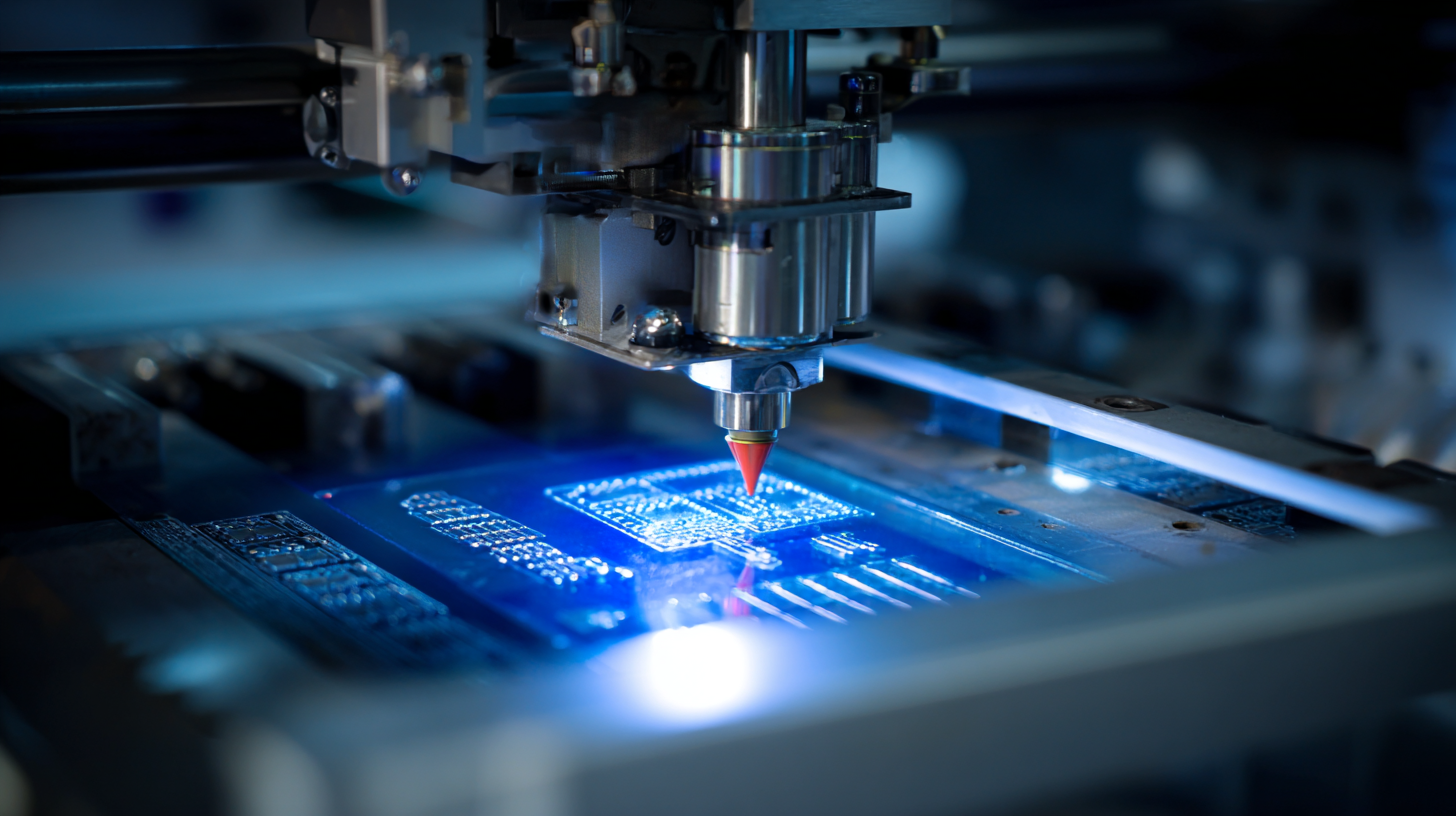
In the fast-changing world of electronics manufacturing, you can't really overstate how important Pcb Stencil Printers are anymore. As the industry keeps moving forward, reports are saying that the global market for PCB production might hit around USD 87.24 billion by 2025. That’s mainly because of breakthroughs in surface mount technology (SMT) and the rising need for top-quality electronic parts. At MOREL EQUIPMENTS CO., LIMITED, they’ve been in the SMT game for over 15 years, and they've grown from just selling accessories to offering full solutions — things like pick-and-place machines, automatic soldering robots, and solder paste equipment. Using cutting-edge PCB stencil printers has become a must for manufacturers who want to step up their game — improving both efficiency and precision. In the end, it’s all about meeting the high standards that modern electronics demand.
Understanding PCB Stencil Printers: Basics and Importance in Electronics
You know, PCB stencil printers are pretty much the unsung heroes of modern electronics manufacturing. They act as the vital link between your design plans and actually making the stuff. Basically, these machines make sure that solder paste gets applied just right on the printed circuit boards — and that’s super important for the performance and durability of all those tiny electronic parts. If the solder isn’t applied accurately, it can mess up the whole soldering process, leading to defects and, honestly, lower the overall quality of the final product.
If you’re working with a PCB stencil printer, here are a few tips I’ve learned along the way: first, always double-check that the stencil is perfectly aligned with the PCB. Nothing’s worse than a misprint! Secondly, keep the stencil and the printer clean — contamination can seriously mess up your results. And lastly, don’t forget to calibrate the machine regularly. That way, you get consistent paste amounts and better solder joints every time.
With over 15 years of experience in surface mount technology, Morel Equipments Co., Limited has really grown into a go-to solutions provider for electronics manufacturers. We offer everything from pick-and-place machines to solder paste equipment, all built to work hand-in-hand with PCB stencil printers to make your production smoother and more reliable. Plus, we're always pushing forward with new tech like automatic soldering robots and testing systems, all geared toward helping you boost productivity and quality in this fast-changing industry.
Key Components and Features of High-Quality PCB Stencil Printers
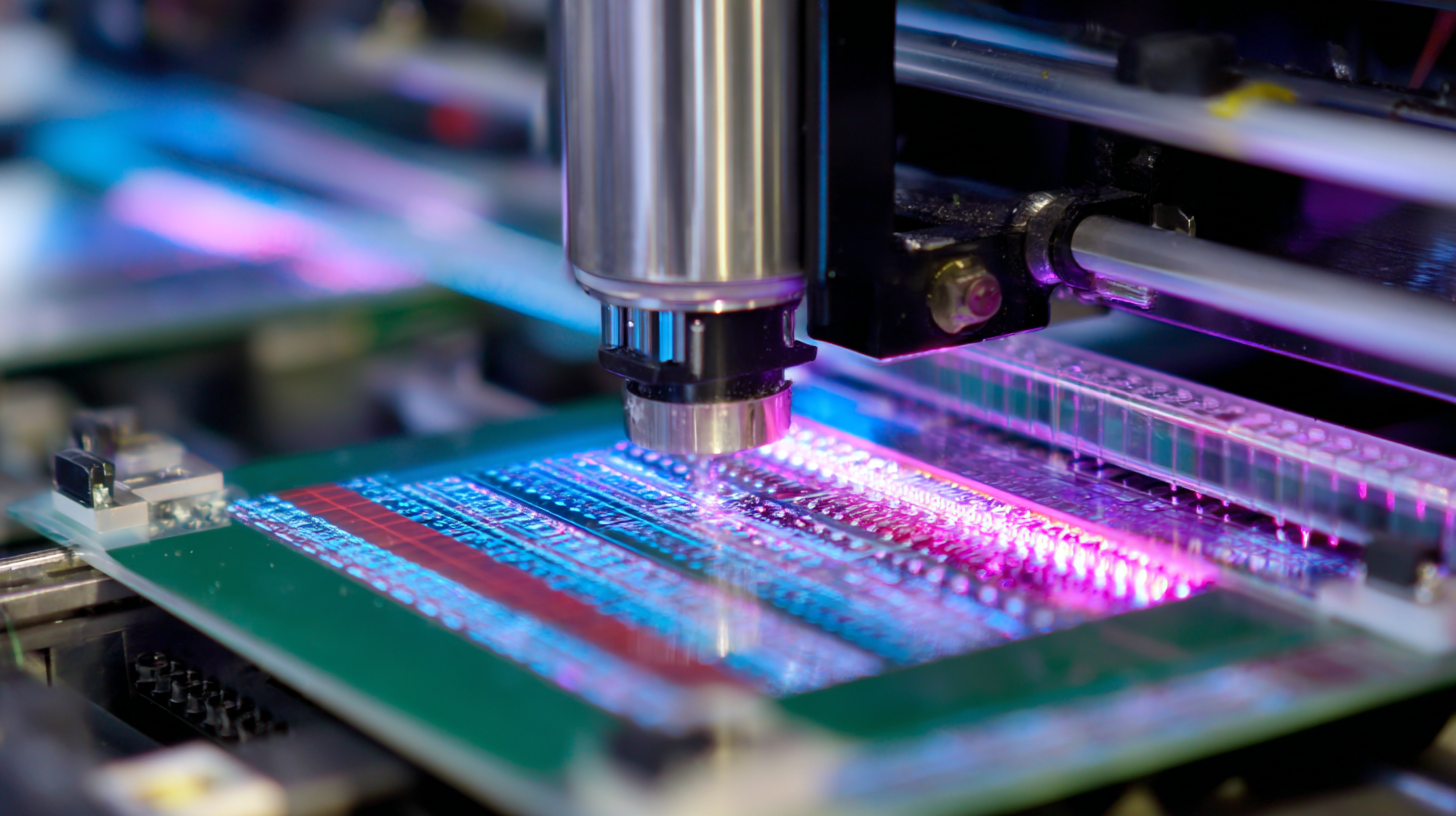
In the ever-changing world of electronics manufacturing, PCB stencil printers really are a cornerstone when it comes to getting stuff done with both precision and efficiency. High-quality printers come packed with key features that make a big difference — stuff like advanced squeegee systems that help spread paste evenly, high-res cameras for precise alignment, and sturdy frames that keep vibrations in check during printing. These details don't just boost the quality of your solder paste application; they also help cut down on those frustrating production delays.
So, if you're shopping around for a PCB stencil printer, a couple of things to keep in mind are how fast it prints and how accurate it is—especially if you're working with high volumes. It’s also worth checking whether the printer plays nicely with different stencil materials because that can seriously impact your final board quality. Don’t forget, regular maintenance and calibration are super important. They keep your printer running smoothly and help it last longer, so your manufacturing stays efficient and doesn't break the bank.
And one more thing — go for a printer that’s easy to operate. User-friendly interfaces save time on training and make life way easier for your team. If it has automation features? Even better! They can speed up adjustments and give you more flexibility with your production runs. Investing in a solid PCB stencil printer might seem like a big step, but it’s definitely a smart move if you want to level up your manufacturing and stay competitive in this fast-paced electronics game.
Step-by-Step Guide to Choosing the Right PCB Stencil Printer for Your Needs
When you're choosing a PCB stencil printer, there are a few key things you'll want to keep in mind, since they can really make a difference in how smoothly your manufacturing runs. First off, think about your production volume and what specific needs you have. I read a report from IPC in 2023 that mentioned how demand for advanced PCB manufacturing gear is expected to jump by over 10% each year. That just goes to show how important it is to find a printer that can handle both small runs and big orders without breaking a sweat.
Then, take a look at the technology each printer uses. You’ve got options like automatic and semi-automatic stencil printers, and each comes with its own perks. For example, a study from Research And Markets pointed out that automatic printers can cut down the printing time by up to 30%. That’s a huge help when you’re trying to get prototypes or batches out faster. Also, don’t forget to check if the printer works well with different stencil materials and design layouts—this can really influence the quality and performance of your final product. And of course, making sure the machine meets the latest IPC standards is a must if you want to keep top-notch quality in your electronic manufacturing processes.
Unveiling the Future of Electronics: The Essential Role of PCB Stencil Printers in Modern Manufacturing
| Printer Model | Max Printing Area (mm) | Layer Count | Speed (mm/sec) | Price Range (USD) |
| Model A | 300 x 400 | 2 | 200 | $5,000 - $7,000 |
| Model B | 400 x 500 | 4 | 180 | $8,000 - $10,000 |
| Model C | 250 x 300 | 2 | 220 | $4,000 - $6,000 |
| Model D | 450 x 600 | 6 | 150 | $12,000 - $15,000 |
Best Practices for Operating and Maintaining PCB Stencil Printers
In the fast-paced world of electronics manufacturing, PCB stencil printers really are a key part of making sure everything runs smoothly and accurately. If you want these machines to perform their best, it’s super important to follow some good practices when operating and maintaining them. A recent report from Smithers mentioned that more than 30% of production hiccups come from equipment problems — which really highlights why regular upkeep and proper operator training are so crucial.
One tip I’d definitely recommend is sticking to routine calibration. Doing this regularly helps keep the printer accurate, which means fewer defects on those circuit boards. Also, be sure to clean the stencils after every use — leftover solder paste can mess things up in the next run. Having a scheduled cleaning routine not only cuts down on downtime but also helps keep the overall workflow smooth and efficient.
Another thing seasoned technicians swear by is keeping detailed records of all maintenance activities. This isn’t just about ticking boxes; it really helps everyone stay accountable and creates a handy resource for troubleshooting later on. Plus, reviewing these logs can reveal patterns or issues that might suggest upgrades or improvements down the line. If manufacturers focus on these simple but effective practices, they’ll unlock even more potential from their PCB stencil printers — and who knows, maybe someday even push the tech into new territory.
Electronics Manufacturing: Efficiency of PCB Stencil Printers
Innovations in PCB Stencil Printing Technology: What to Expect in the Future
The world of electronics manufacturing is on the verge of huge change, mainly thanks to new breakthroughs in PCB stencil printing tech. As everyone demands faster production and better quality, manufacturers are increasingly turning to more advanced stencil printers equipped with automation and precision features. This shift isn’t just about speed — it also helps make sure solder paste gets applied more accurately, which is super important given how tiny and complex modern electronic designs are getting.
When you're picking out a PCB stencil printer, it’s smart to look for models that have built-in vision systems. These are awesome because they can check the print quality on the fly, catching issues early and reducing the chances of defects. Plus, it’s worth considering printers that can handle different types of stencil materials — that kind of flexibility can really come in handy as product specs keep changing.
Looking ahead, sustainability will start playing a bigger role in this industry. Things like eco-friendly materials and energy-saving machines are becoming more of a must-have. Manufacturers should aim for options that cut down waste and lower their carbon footprint — not just to meet regulations but to boost their reputation too. Embracing these new trends isn’t just smart business; it’s part of making manufacturing more responsible and future-proof.
Integrating PCB Stencil Printers into Your Manufacturing Workflow for Maximum Efficiency
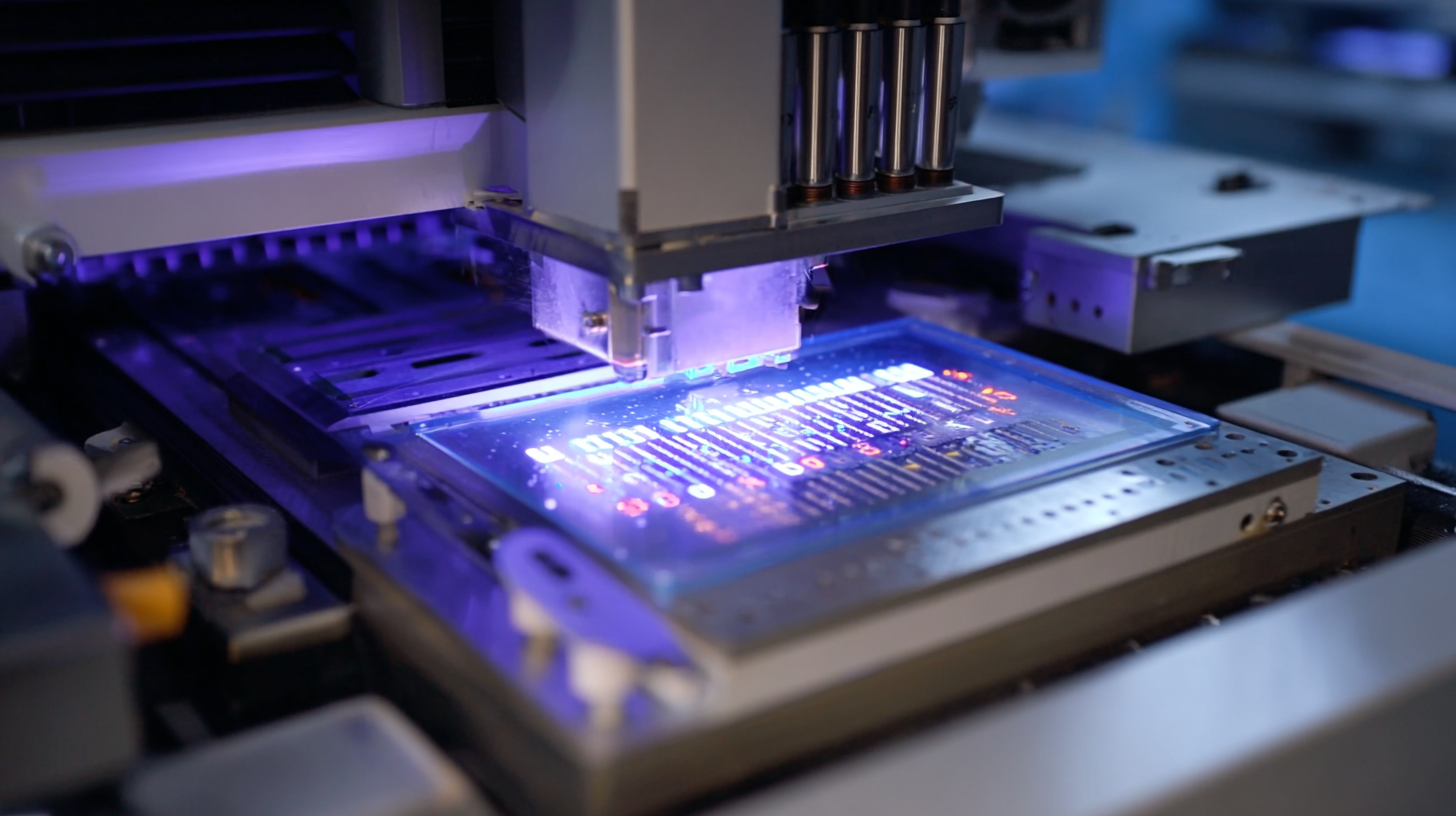
In today’s competitive world of electronics manufacturing, including PCB stencil printers in your production process is pretty much essential if you want to boost efficiency. A recent report from IPC mentioned that more than 60% of manufacturers are on the lookout for ways to speed things up and get their assembly more accurate — and automated stencil printing is quickly becoming a go-to solution for that. These printers do a great job of applying solder paste smoothly and accurately, which not only saves time but also cuts down on mistakes made by humans. The result? Higher yields and fewer rework costs — which can actually make up close to 30% of the overall production expenses. Yeah, that’s a big deal.
Plus, modern PCB stencil printers are super versatile—they can handle a variety of board sizes and types, giving manufacturers more flexibility in their processes. And if you’re into the market trends, a study from Grand View Research says the global PCB market is expected to hit around $80 billion by 2027. That's a clear sign that the demand for smarter, more precise manufacturing techniques is only going up. To stay ahead in the game, companies really need to upgrade their workflows with the latest tech, like stencil printers. It’s all about meeting the growing expectations for quality and speed in electronics production, after all.
Enhancing PCB Manufacturing Efficiency with the CMQ360 Depaneling Router: A Comprehensive Guide
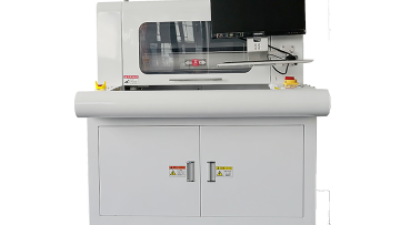
The CMQ360 Depaneling Router stands out as a pivotal enhancement in PCB manufacturing efficiency. One of its key features is the integration of a dual 16 million high-speed camera auxiliary programming system, which streamlines the programming process, making it not only easier but also smarter. This sophisticated system allows for precise adjustments and optimizations, ensuring that manufacturers can achieve top-notch results with minimal hassle.
Another significant aspect of the CMQ360 is its high-speed CCD vision automatic correction system. This technology significantly boosts cutting accuracy and operational efficiency, addressing two of the most critical concerns in PCB manufacturing. Coupled with a high-speed spindle designed for PCB cutting and splitting, the router minimizes splitting stress while maximizing precision, making it adaptable to various circuit board shapes. Furthermore, the dual-table movement capability allows simultaneous cutting of two different products, a feature that significantly enhances productivity.
Additionally, the CMQ360 includes an independent external dust collection cabinet that offers excellent sealing and low noise levels. The reusable integrated bag not only reduces operational costs but also contributes to a cleaner work environment. Designed to operate on a Windows system, the router ensures safety and stability, making it easy for operators to learn and use effectively. The technological advancements embedded in the CMQ360 serve to elevate PCB manufacturing to new heights of efficiency and precision.
FAQS
: High-quality PCB stencil printers feature advanced squeegee systems for uniform paste application, high-resolution alignment cameras for precise registration, and robust frame structures to reduce vibrations during printing.
When selecting a PCB stencil printer, consider the printing speed and accuracy in relation to your production volume, as well as the printer's compatibility with various stencil materials.
Regular maintenance and calibration are vital for maintaining the printer's performance and longevity, which helps ensure efficient and cost-effective manufacturing processes.
Best practices include performing routine calibration, cleaning stencils after each use, and maintaining detailed maintenance logs to track activities and identify trends.
Incorporating automation features in PCB stencil printers can streamline processes, allowing for quicker adjustments and greater flexibility in production runs.
Future innovations may include advanced automation, precision capabilities, eco-friendly materials, and energy-efficient machinery, aimed at improving quality and sustainability in manufacturing.
Advanced vision systems allow for real-time verification of print quality, reducing the risk of defects and ensuring better yields during production.
Manufacturers should seek innovations like eco-friendly materials and machinery that minimize waste and reduce carbon footprints, aligning with global sustainability efforts.
Equipment malfunction accounts for over 30% of production delays, highlighting the importance of regular maintenance and operator training to minimize production downtime.
Documenting maintenance activities enhances accountability among team members and provides a valuable resource for troubleshooting and identifying potential improvements over time.
Conclusion
So, I recently came across an article titled "Unveiling the Future of Electronics: The Essential Role of PCB Stencil Printers in Modern Manufacturing," and honestly, it does a great job explaining why these printers are such a big deal in the world of electronics manufacturing. It kicks off with a simple rundown of what PCB stencil printers are and why they’re so crucial for getting precise and efficient circuit board assembly. They also highlight some of the key features to look for in top-notch printers — a real eye-opener for any manufacturer trying to step up their game.
The article doesn’t stop there, though. It goes into some useful tips on how to operate and take care of these printers to keep them running smoothly and last longer. Plus, it dives into the latest innovations in PCB stencil printing tech, giving us a sneak peek at what’s coming down the line that could make manufacturing even better.
In the end, they really stress how important it is to integrate these printers properly into the overall production process to boost efficiency. Companies like Morel Equipments Co., Limited — who’ve got years of experience in surface mount technology — are perfectly positioned to offer full solutions and stay ahead in this fast-changing industry. Definitely an interesting read for anyone serious about the future of electronics manufacturing.