inquiry
Leave Your Message
0%

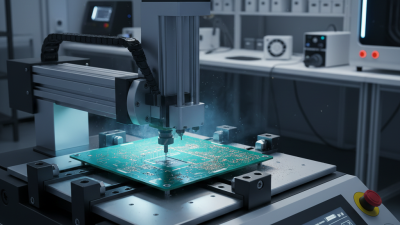
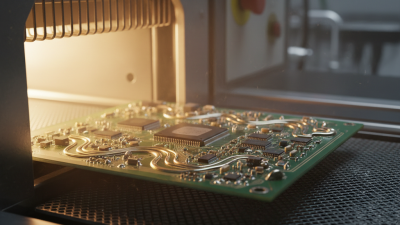
The Pcb Router is honestly one of those essential tools in today’s electronics world. Basically, it’s what cuts and shapes printed circuit boards (or PCBs for short). Thanks to some pretty advanced tech, this machine can handle complex designs that really give electronic gadgets their edge. Lots of companies depend on it to keep things top-notch and consistent.

Now, here’s the thing: programming the Pcb Router has to be super precise. Even a tiny mistake can throw off the entire assembly process — nobody wants that! Operators need to keep a close eye on every tiny detail. The machine itself runs on special software that follows CAD files step by step, so every cut has to be spot-on if you want things to turn out right.

Of course, the Pcb Router’s capabilities are pretty impressive, but there’s always room to get better. Users often have to tweak settings depending on what material they’re working with. Knowing those little nuances makes all the difference in getting the best results. Sure, companies like Gerber Technology are leading the charge in the industry, but there are still challenges when it comes to adapting to new tech. At the end of the day, staying curious and always learning is what keeps everyone ahead.
What is a Pcb Router and How Does It Work?

What Is a PCB Router and Its Significance in Manufacturing?

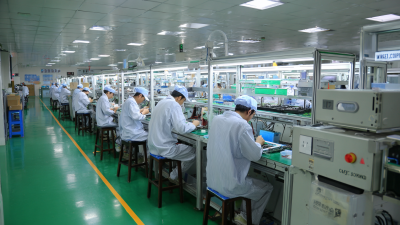
A PCB router is crucial in the manufacturing process of printed circuit boards (PCBs). It automates the cutting of PCBs from larger panels. This efficiency reduces human error and speeds up production time. According to a recent market analysis, the PCB manufacturing industry is expected to grow at a rate of 4.8% annually through 2027. This growth reflects the increasing demand for electronics in various sectors.

The significance of a PCB router lies in its precision. High-quality routers can achieve tolerances of up to 0.05 mm. This level of accuracy ensures that components fit perfectly on the board. Improper routing can lead to connections that are faulty, impacting overall product reliability. It's essential to regularly monitor the router's calibration, though it may require frequent adjustments.

Moreover, the environmental impact of manufacturing needs consideration. The materials used in PCBs often contain hazardous substances. Sustainable practices are being discussed in the industry, but adoption is slow. Manufacturers must address these challenges to meet evolving regulations and consumer expectations. Investing in training for operators could significantly enhance quality control.

Overview of PCB Design and the Role of Routing

PCB design is a critical aspect of electronics engineering. The routing process plays a vital role in this phase. It involves connecting various components on the printed circuit board (PCB) efficiently. Effective routing ensures that signals travel with minimal delay and interference, which is crucial for the PCB's performance.

A good PCB router considers multiple factors. Trace width, clearance, and layer stack-up are important. Each decision impacts signal integrity and manufacturing costs. Sometimes, designers may overlook the balance between complexity and performance. Maintaining simplicity can lead to better results.

Tip: When designing your PCB, always visualize the signal path. This clarity helps streamline the routing process. Avoid unnecessary complexity, which can introduce errors.

Furthermore, the layout should accommodate future modifications. Designing with flexibility in mind can save time later. You may not always consider future developments, but it's wise to plan ahead.

Tip: Conduct thorough simulations. Testing your design before manufacturing can highlight potential issues. This can save money and time in the long run.

Key Components of a PCB Router: Hardware and Software Elements

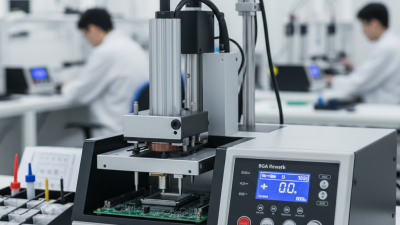
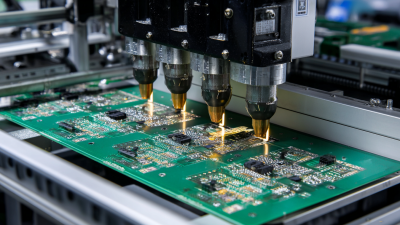
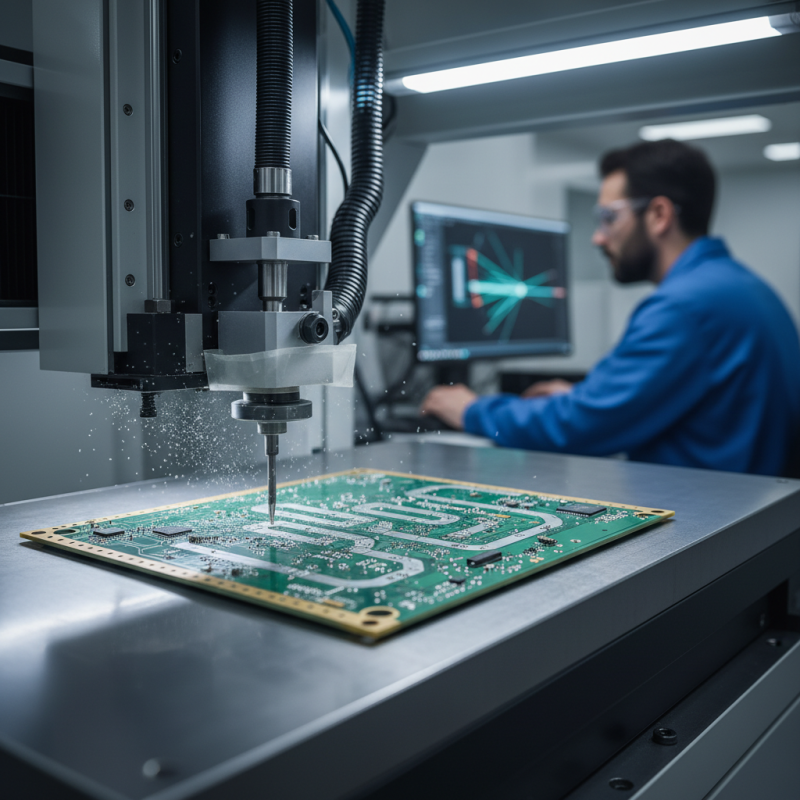
A PCB router is essential in the production of printed circuit boards. It has both hardware and software components that work together. The hardware includes a sturdy frame, spindle, and cutting tools. The spindle rotates at high speeds, allowing for precise cutting of different materials like copper and fiberglass. Users often overlook the importance of the frame's stability. A stable base minimizes vibrations, leading to better accuracy.

On the software side, the Pcb Router Machine relies on design files to guide its operations. CAD software typically generates these files. Programming can be tricky for beginners. Misconfigurations may lead to significant errors in routing paths.

Another challenge is ensuring the correct settings for speed and depth. If these are not properly adjusted, they can compromise the integrity of the board. Users must constantly test and refine their processes for optimal results.

Types of PCB Routing: Manual vs. Automatic Processes

When exploring PCB routing, it's essential to understand the differences between manual and automatic processes. Manual routing often provides flexibility. Designers can make adjustments on the fly. However, this approach is time-consuming. It can lead to errors as well. In contrast, automatic routing offers efficiency. A report by IPC indicates that automated processes can reduce routing time by up to 50%. Yet, some designs may require human intuition, which machines lack.

With a Pcb Board Router, precision is paramount. Automated routers excel in maintaining consistent quality. They follow predefined rules to avoid errors. Manual routing, while slower, allows for creative solutions to complex layouts. For intricate designs, many engineers find manual processes preferable. The downside? It is labor-intensive and not always scalable.

Tips: Always validate your design with simulations before finalizing. This can catch potential issues early. Also, consider a hybrid approach. Use automation for straightforward tasks and manual routing for difficult sections. Balancing these methods can optimize both time and quality in PCB design. Remember, each project is unique, so adjust your approach accordingly.

What is a Pcb Router and How Does It Work? - Types of PCB Routing: Manual vs. Automatic Processes

Routing Type Description Advantages Disadvantages Suitability
Manual Routing Involves a designer manually placing tracks and vias on the PCB layout. Greater control over trace placement and routing decisions. Time-consuming and requires high skill level. Custom designs needing detailed routing.
Automatic Routing Utilizes software algorithms to create routing paths between components automatically. Faster design process and can handle complex layouts. Less flexibility in custom routing choices. High-volume production and standard board designs.
Interactive Routing A combination of manual routing with some automated suggestions and optimizations. Balances design flexibility and speed; allows for quick adjustments. May still be slower than full automation. Best for experienced designers looking for efficiency with control.

Understanding Routing Algorithms and Their Functions

Routing algorithms are the backbone of a PCB router. They ensure that electrical connections on printed circuit boards are efficiently established. Efficient routing minimizes the length of traces while avoiding obstacles. This can significantly reduce costs and improve performance. According to industry reports, poor routing can lead to signal integrity issues in up to 30% of designs.

There are various types of routing algorithms. Some prioritize speed, while others focus on minimizing trace lengths. For example, the maze routing algorithm is widely used due to its effectiveness. It explores alternatives and provides optimal paths. However, the complexity of modern circuits often leads to overcrowded paths. This results in the need for manual adjustments, which can be tedious and time-consuming.

Tip: When designing circuits, always consider the routing complexity early on. Simplifying the design can save you time later. Additionally, simulate your routing to identify potential issues before production. Testing routes in software can help prevent costly errors.

Remember, no routing algorithm is perfect. Different algorithms have their strength and weaknesses. Relying solely on one type could lead to suboptimal designs. Always be ready to assess your approach and adapt as needed to optimize your Circuit Board Router’s performance.

Impact of Routing on PCB Performance and Reliability

What is a Pcb Router and How Does It Work?

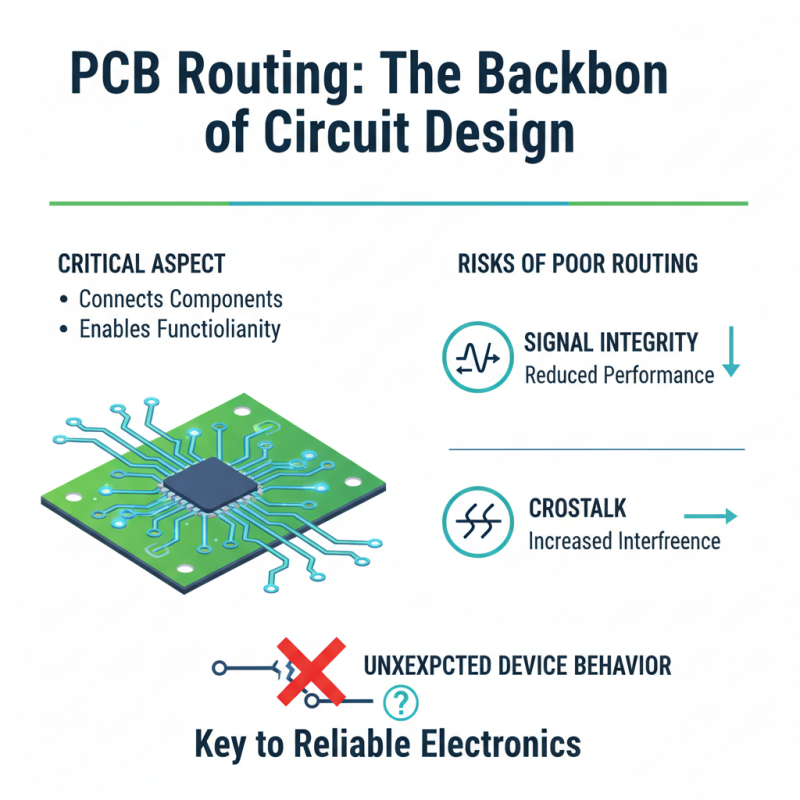
Routing is a critical aspect of PCB design. The routes connect various components, enabling functionality. Poor routing can cause several issues. Signal integrity might suffer, and crosstalk could increase. These problems often lead to unexpected device behavior.

The performance of a PCB heavily relies on its routing design. A well-optimized route minimizes resistance and enhances signal speed. However, achieving this balance can be tricky. Engineers must consider the distance, impedance, and layer stacking. They might overlook some of these factors, risking reliability.

Moreover, thermal management is affected by routing choices. A crowded route can lead to overheating. This is a concern, especially in high-power applications. Ultimately, the performance of a Pc Board Router is not just about connections. It’s about making thoughtful decisions to avoid complications.

Future Trends in PCB Routing Technology and Automation

What is a Pcb Router and How Does It Work?

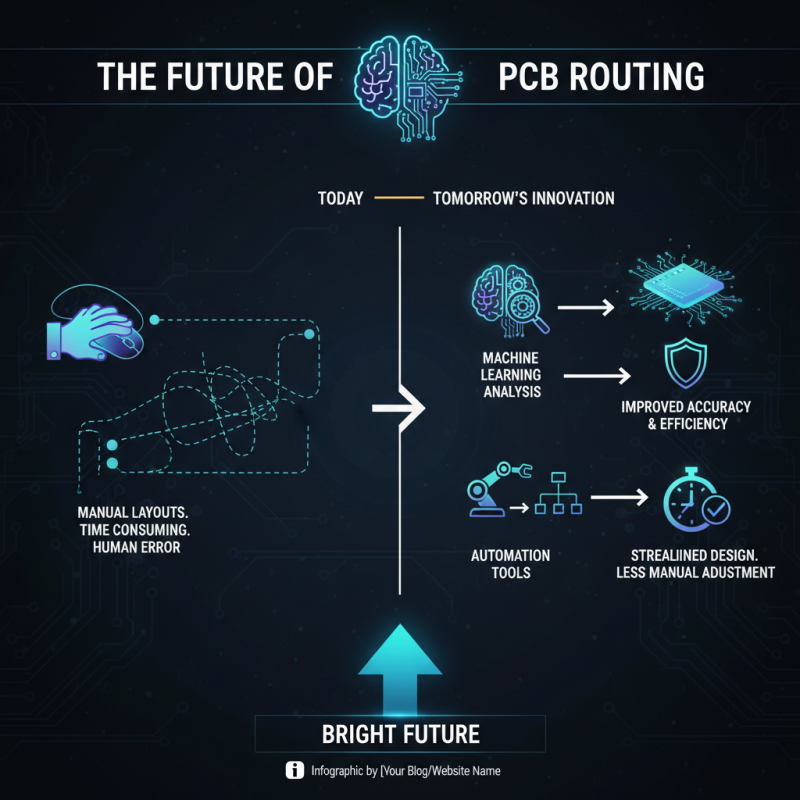
The future of PCB routing technology is bright, driven by innovation and automation. Advanced routing techniques are emerging rapidly. Machine learning may analyze complex layouts. This could improve accuracy and efficiency. Automation tools will streamline design processes. Designers may spend less time on manual adjustments.

However, the integration of advanced software comes with challenges. Not every designer is familiar with these new tools. Training is essential for effective use. A steep learning curve can hinder progress. Companies must invest in education to avoid setbacks.

Moreover, there is a risk of over-reliance on automation. While machines can assist, human oversight is crucial. Creativity in design should not be outsourced entirely. A balance between technology and human input will be essential. The evolution of PCB routing will continue to push boundaries, but reflection on these issues is necessary.

FAQS

: What is a PCB router?

: A PCB router is essential for producing printed circuit boards. It combines hardware and software elements for precise operations.

What hardware is used in a PCB router?

The hardware includes a sturdy frame, spindle, and cutting tools. A stable frame reduces vibrations, improving accuracy.

How does the spindle function in a PCB router?

The spindle rotates at high speeds, allowing precise cutting of materials like copper and fiberglass.

What software supports PCB routing?

The software uses design files generated by CAD programs. Beginners often find programming to be challenging and error-prone.

What issues can arise from poor routing?

Poor routing can cause signal integrity issues and increased crosstalk, leading to unexpected device behavior.

How is PCB performance affected by routing design?

A well-optimized route minimizes resistance and enhances signal speed. Engineers must balance distance and impedance carefully.

Why is thermal management important in routing?

Poor routing can lead to overheating. This is particularly critical in high-power applications where thermal issues can arise.

What should users do to maintain routing accuracy?

Users must constantly test and refine their routing processes. Misconfigurations and incorrect settings can compromise board integrity.

Can routing decisions impact board reliability?

Yes, overlooked factors can risk reliability. Thoughtful routing decisions are essential to avoid complications and ensure performance.

What challenges do engineers face in PCB routing?

Engineers need to balance various factors like impedance and layer stacking, which can be complex and require careful consideration.

Conclusion

A PCB Router is a crucial tool in the manufacturing process of printed circuit boards, facilitating the precise cutting of PCB material to the desired shapes and layouts. Its significance lies in enhancing production efficiency and ensuring the accuracy of PCB designs, which ultimately contribute to the performance and reliability of electronic devices. Understanding the fundamentals of PCB design and routing is essential, as it encompasses both manual and automatic processes, each with its own advantages.

Key components of a PCB Router include advanced hardware and software elements that enable effective routing. The use of sophisticated routing algorithms optimizes the layout to minimize signal interference and improve overall functionality. As technology advances, future trends indicate a growing focus on automation in PCB routing, promising increased efficiency and reduced human error in manufacturing processes. Overall, the PCB Router plays a pivotal role in shaping the electronic landscape by enabling more reliable and high-performing circuit boards.
Clara

Clara

Clara is a dedicated marketing professional at Shenzhen Moore Electromechanical Equipment Co., Ltd., where she leverages her extensive industry knowledge to elevate the company’s brand presence. With a strong academic background and a passion for technology, Clara possesses a deep understanding of......
Previous Mastering Smt Oven Reflow: A Comprehensive Guide for Global Buyers