In the fast-changing world of electronics manufacturing, getting a good handle on SMT soldering techniques is pretty much a must if you want reliable connections and top-notch device performance. You’ve probably heard about SMT Reflow Soldering—it's really become a key process when it comes to putting together printed circuit boards (or PCBs for short). It allows for tighter, more complex designs—stuff that’s absolutely essential for today’s electronics. The folks over at IPC even predict that the global market for Smt Equipment could hit around $4.2 billion by 2025, which just goes to show how much demand there is for skilled technicians who really know their way around these advanced methods.
The real magic of SMT Reflow Soldering isn’t just in making things run smoothly—it actually helps make devices last longer and work more reliably. Plus, it’s a real boon for manufacturing costs too. One study from the Journal of Electronics Packaging pointed out that when technicians master reflow soldering properly, defects can drop by as much as 30%. That means higher yields, fewer reworks, and overall lower production expenses. As electronics continue to get smaller, faster, and more dependable, getting a solid grip on these techniques is more important than ever if you want to stay competitive in this crowded market.
So, if you're in the game, it’s a smart move to invest time in training and keep up with the latest tech. By sticking to best practices and staying in the know, technicians can sharpen their skills and help the electronics industry grow sustainably. The better we get at this, the more likely we are to keep delivering high-quality products—even as things get more complicated all around us.
Understanding Smt Reflow Soldering: Basics and Importance
Surface mount technology (SMT) reflow soldering is a critical process in electronics manufacturing, as it affects the integrity and reliability of solder joints. According to the IPC (Institute of Printed Circuits), over 90% of electronic devices today use SMT components, making the mastery of reflow soldering techniques essential for engineers and technicians. This method enables precise placement of components, which can lead to compact designs and improved performance in devices ranging from smartphones to automotive electronics.
Understanding the basics of SMT reflow soldering involves recognizing the importance of temperature profiles during the soldering process. A well-optimized temperature profile helps to achieve uniform melting of solder paste, ensuring strong, reliable connections. The optimal melting range for most lead-free solder alloys is typically between 217°C and 260°C, as noted in research by the IEEE, which emphasizes the risk of defects such as tombstoning and cold joints if the temperatures are not adequately controlled. Adhering to proper thermal management practices can significantly reduce these risks, enhance product longevity, and improve overall manufacturing efficiency.
Essential Tools and Equipment for Smt Reflow Soldering
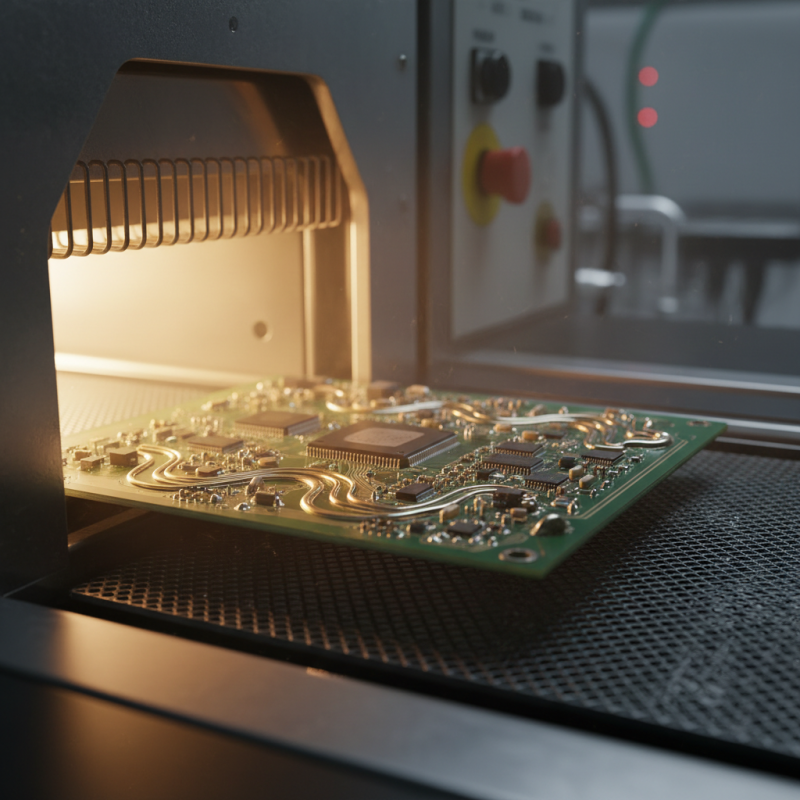
Mastering SMT (Surface Mount Technology) reflow soldering is crucial for achieving reliable and high-quality connections in electronic assemblies. To effectively execute this technique, it's essential to have the right tools and equipment. A key component in the reflow soldering process is the Reflow Oven, which utilizes precise temperature profiles to melt solder paste and create strong joints. According to a report by IPC (Institute for Printed Circuits), temperature variability can significantly impact joint quality, with optimal profiles typically ranging from 183°C to 250°C for lead-free soldering applications.
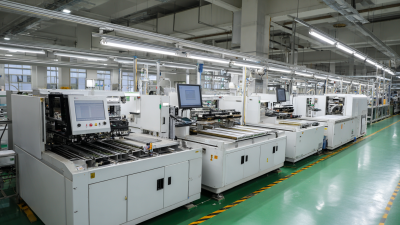
In addition to the reflow oven, a well-equipped workstation should include solder paste printers, pick-and-place machines, and inspection tools. Solder paste printers ensure the correct amount of paste is applied to the PCB, which is critical for minimizing defects. The IPC’s quarterly report highlights that improper paste application contributes to approximately 45% of soldering defects. Furthermore, employing a pick-and-place machine enhances efficiency and accuracy in component placement, while inspection tools, such as automated optical inspection (AOI) systems, are vital for verifying joint integrity post-soldering.
It's also important to consider the environment in which SMT reflow soldering takes place. Maintaining appropriate humidity levels and ensuring that surfaces are free from contaminants can greatly enhance solder joint reliability. Industry studies suggest that a controlled environment can reduce defects by up to 30%, demonstrating the importance of comprehensive preparation in the reflow soldering process.
Preparing PCB and Components for Effective Reflow Soldering
To achieve effective reflow soldering, proper preparation of both the printed circuit board (PCB) and components is crucial. According to industry reports, nearly 60% of solder joint defects stem from inadequate preparation practices. This highlights the importance of cleaning the PCB surface to remove any contaminants that might interfere with solder flow, such as dust, grease, or oxidation. Utilizing cleaning agents that are safe for electronic components can enhance the adhesion of solder paste, ultimately leading to stronger joints.
Furthermore, component preparation is equally vital. Components should be evaluated for proper alignment and condition before the soldering process. Before placement, it is recommended to inspect lead integrity and ensure that there are no bent or damaged leads that might affect solderability. Reports suggest that up to 30% of rework is attributed to component misalignment, underscoring the need for precision in both handling and placement. Additionally, utilizing a good quality solder paste with the right viscosity and shelf-life can also impact the effectiveness of the reflow process, ensuring that the temperature profiles are effectively maintained during soldering for optimum joint formation.
Step-by-Step Guide to Setting Up the Reflow Oven
Setting up a reflow oven is a critical step in the SMT (Surface Mount Technology) soldering process that can significantly impact the quality of solder joints. According to a report by IPC, nearly 60% of electronic failures are attributed to poor soldering techniques. Therefore, achieving a controlled and optimal reflow environment is vital. To begin, ensure that your oven is calibrated correctly, with specific focus on temperature profiling, which is essential for achieving the desired melting of solder paste and proper joint formation.
The first key step in setting up your reflow oven is developing an accurate thermal profile. Use thermocouples to monitor the temperatures at various points on the printed circuit board (PCB) as it passes through the oven. The average ramp-up rate should be around 1°C to 3°C per second for reliable soldering results, as recommended by industry guidelines. It’s critical to maintain the preheat zone temperature between 150°C and 170°C to ensure proper flux activation while preventing excessive thermal stress on the components. Following the preheat phase, reaching the peak temperature of approximately 230°C to 250°C should be carefully timed—typically held for 30 to 90 seconds to ensure proper melting and coalescence of solder balls.
Additionally, airflow within the reflow oven plays an instrumental role in achieving uniform heating. Studies indicate that inconsistent airflow can lead to solder voids or cold solder joints, which may affect functionality. Incorporating adjustable airspeed settings and using a controlled atmosphere can provide a more balanced heat distribution, allowing for better solder joint integrity. By meticulously following these guidelines, one can enhance the reliability and performance of the soldering process, ultimately leading to a higher yield of quality assembled PCBs.
2025 How to Master Smt Reflow Soldering Techniques for Perfect Joints
| Step | Description | Time Required | Tips |
| 1 | Prepare the PCB and components | 30 minutes | Ensure all components are clean and correctly oriented. |
| 2 | Apply solder paste | 20 minutes | Use a stencil for even application. |
| 3 | Place components | 30 minutes | Use tweezers for precise placement. |
| 4 | Set up the reflow oven | 15 minutes | Follow manufacturer guidelines for temperature profiles. |
| 5 | Run the reflow cycle | 10 minutes | Monitor closely for best results. |
| 6 | Inspect solder joints | 15 minutes | Look for shiny and even joints, rework if necessary. |
Optimal Temperature Profiles for Smt Reflow Soldering
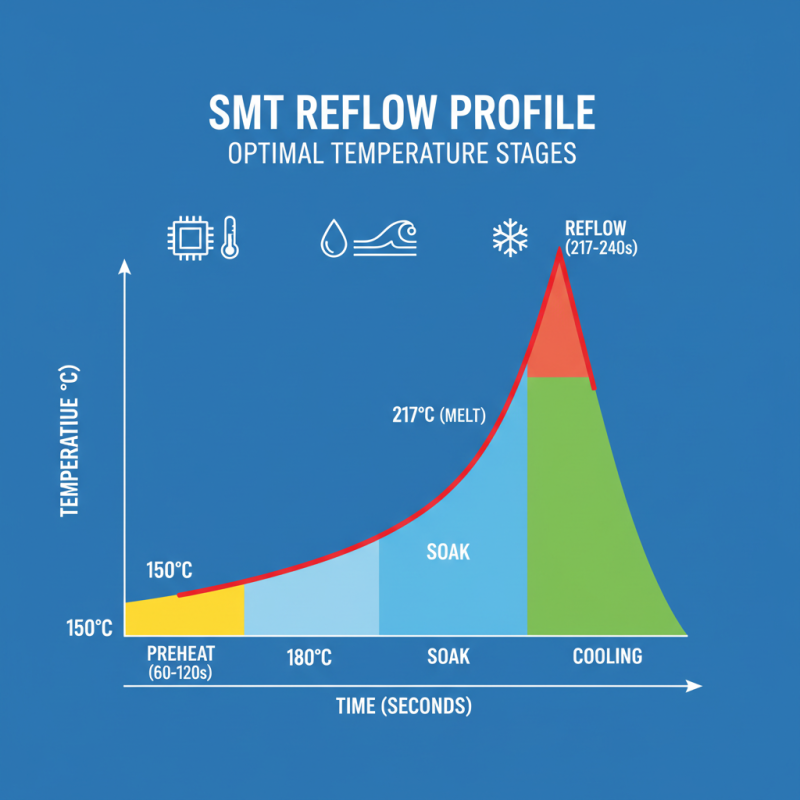
Achieving optimal temperature profiles is crucial for successful SMT reflow soldering, as it directly affects the quality of solder joints and the reliability of the entire assembly. An effective temperature profile consists of several stages: preheat, soak, reflow, and cooling. During the preheat stage, it is essential to gradually raise the temperature to avoid thermal shock to the components and PCB. This stage typically lasts between 60 to 120 seconds, allowing for the elimination of moisture from the solder paste and preparing the components for the subsequent heating.
The soak phase follows the preheat stage, maintaining a consistent temperature to allow the solder paste to activate. Typically, this stage lasts around 30 to 90 seconds and helps in properly wetting the surfaces for optimal solder joint formation. The reflow phase is where the solder paste melts, and the temperature needs to reach the peak specified for the solder paste being used. This peak temperature is generally around 20-40 degrees Celsius above the liquidus temperature of the solder alloy. Finally, controlled cooling is essential to solidify the solder, preventing defects like solder voids or brittle joints. A well-optimized cooling rate allows for proper intermetallic compound formation that enhances joint reliability.
By mastering these temperature profiles, technicians can significantly improve their soldering results, ensuring strong and reliable connections in their electronic assemblies. Understanding and implementing these stages meticulously will lead to perfect solder joints, essential for the longevity and performance of the final products.
Common Mistakes to Avoid in Reflow Soldering Techniques
When mastering reflow soldering techniques, avoiding common mistakes is crucial for achieving perfect joints. One of the most frequent errors is inadequate cleaning of the PCB before soldering. Any residues, such as dust or oils, can create barriers to adhesion, leading to weak solder joints. It’s essential to ensure the surface is properly cleaned with appropriate solvents and tools to enhance the effectiveness of the soldering process.
Another significant mistake is improper temperature profiling during the reflow process. Each component has specific thermal requirements, and failing to tailor the reflow profile can result in issues like solder balling or component damage. It's important to utilize a thermal profiler to monitor the temperature ramp-up and soak times, ensuring that the solder paste reaches its reflow temperature uniformly across the board. Additionally, neglecting to account for the cooling phase can affect the integrity of the solder joints and the performance of the components. By focusing on these areas and implementing best practices, you can significantly improve the quality of your reflow soldering efforts.
Tips for Inspecting and Testing Smt Solder Joints After Reflow
When it comes to SMT reflow soldering, inspecting and testing solder joints post-reflow is crucial to ensuring the reliability and performance of electronic assemblies. A comprehensive study published by IPC found that nearly 30% of all electronic assembly defects can be traced back to faulty solder joints. Therefore, employing effective inspection techniques is essential for quality assurance. Common inspection methods include visual inspection, X-ray imaging, and automated optical inspection (AOI). These techniques help detect common solder joint issues, such as cold solder joints, bridging, and insufficient solder, ensuring that the assembly meets the required standards.
Once thorough inspection practices are established, implementing rigorous testing processes reinforces the reliability of SMT solder joints. According to a report from the International Electron Devices Meeting (IEDM), solder joint integrity can be gauged through shear testing and thermal cycling tests, which reveal potential weaknesses in the joints. These methods simulate real-world conditions that assembled devices may face, allowing manufacturers to identify and rectify any vulnerabilities in their solder joints before products reach the market.
By incorporating these inspection and testing practices, manufacturers can significantly reduce the risk of failures in electronic devices, thereby enhancing overall product quality and performance.
FAQS
: The key stages include preheat, soak, reflow, and cooling. Each stage plays a crucial role in preparing the components and ensuring quality solder joints.
The preheat stage typically lasts between 60 to 120 seconds. It is important to gradually raise the temperature to avoid thermal shock and eliminate moisture from the solder paste.
The soak phase maintains a consistent temperature to activate the solder paste, allowing proper wetting of surfaces for optimal solder joint formation. This phase usually lasts around 30 to 90 seconds.
During the reflow phase, the temperature needs to reach the peak specified for the solder paste, which is generally 20-40 degrees Celsius above the liquidus temperature of the solder alloy.
Controlled cooling is essential to solidify the solder and prevent defects like solder voids or brittle joints. It also facilitates proper formation of intermetallic compounds that enhance joint reliability.
A common mistake is inadequate cleaning of the PCB. Residues such as dust or oils can inhibit adhesion, leading to weak solder joints. Proper cleaning with appropriate solvents is essential.
Temperature profiling is critical because each component has specific thermal requirements. Improper profiling can lead to issues like solder balling or component damage.
A thermal profiler can help monitor the temperature ramp-up and soak times, ensuring the solder paste reaches its reflow temperature uniformly.
Neglecting the cooling phase can adversely affect the integrity of solder joints and the overall performance of the components in the assembly.
By focusing on proper PCB cleaning, tailored temperature profiling, and accounting for all phases of the process, best practices can significantly enhance the quality of reflow soldering efforts.
Conclusion
In mastering SMT reflow soldering techniques for perfect joints, it’s crucial to understand the fundamental principles and importance of the process. This encompasses not only the essential tools and equipment required but also preparing the PCB and components appropriately to ensure effective soldering. A detailed step-by-step guide for setting up the reflow oven will aid in achieving optimal results, alongside mastering the ideal temperature profiles pertinent to SMT reflow soldering.
Moreover, recognizing and avoiding common mistakes can significantly enhance the quality of solder joints. After the reflow process, inspecting and testing the solder connections is vital to confirm their integrity and reliability. By following these guidelines, one can achieve precision and excellence in SMT reflow soldering, resulting in robust electronic assemblies.