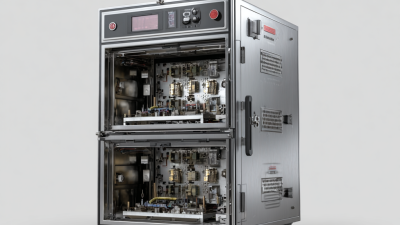
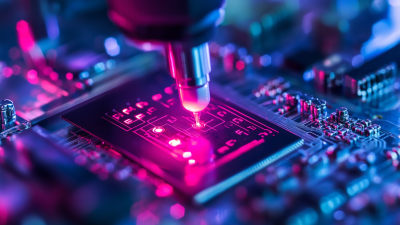
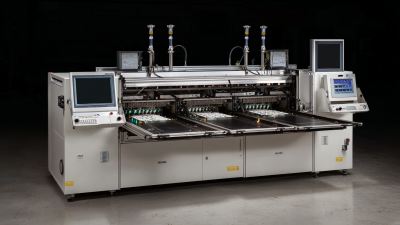
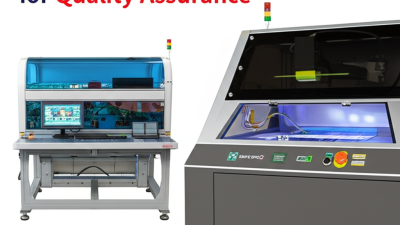
When it comes to assembling PCBs these days, the Soldering Oven has really become a key player. It’s pretty much a game-changer, making the whole soldering process way more efficient and accurate. I remember Dr. Emily Chen, who's pretty much an expert in electronics manufacturing, mentioning that 'The advent of the Soldering Oven has revolutionized how we approach soldering, allowing for uniform heat distribution that is crucial for high-quality assembly.' Honestly, that just shows how essential these ovens are in modern production lines.
So, how do they actually work? Well, Soldering Ovens run on a reflow soldering principle. They carefully control the temperature in a way that melts solder paste and ensures solid electrical connections. They do this using a mix of convection and infrared heating, making sure each PCB gets treated pretty much the same way thermal-wise. This is a big deal because it cuts down on thermal shock to the delicate parts and helps prevent soldering mistakes. All of this is super important for keeping electronics reliable and performing well.
As the electronics world keeps moving forward, these ovens are only going to grow in importance. They’re versatile enough to handle complex PCB designs and keep up with high production speeds, which makes them a must-have for manufacturers who are serious about quality and efficiency. Honestly, without them, modern electronic assembly would be a lot harder to pull off.”
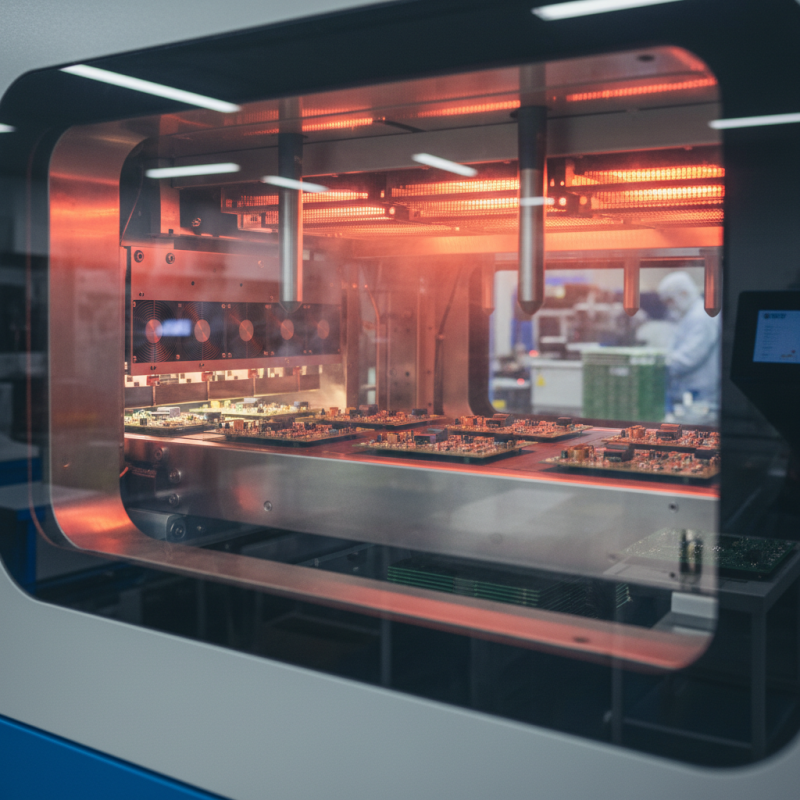
What is a Soldering Oven?
A soldering oven is a specialized piece of equipment used in the assembly of printed circuit boards (PCBs). It employs a controlled heating mechanism to melt soldering paste and bond electronic components to the PCB. Typically, a soldering oven operates on the principle of reflow soldering, where the oven heats the entire assembly uniformly to a specific temperature, ensuring that the solder paste melts and flows, creating optimal connections. This process is crucial for achieving reliable and durable electrical connections in various electronic devices.
The functionality of a soldering oven is based on precise temperature control and timing, which are essential for successful soldering. The oven usually features multiple heating zones, allowing for gradual warming of the PCB. This gradual increase in temperature minimizes the thermal shock to sensitive components. Additionally, many soldering ovens utilize forced convection to enhance heat distribution, ensuring that all areas of the PCB receive even warmth. By allowing for a consistent and repeatable soldering process, soldering ovens play a pivotal role in modern electronics manufacturing, enhancing efficiency and the overall quality of the finished products.
Key Components of a Soldering Oven
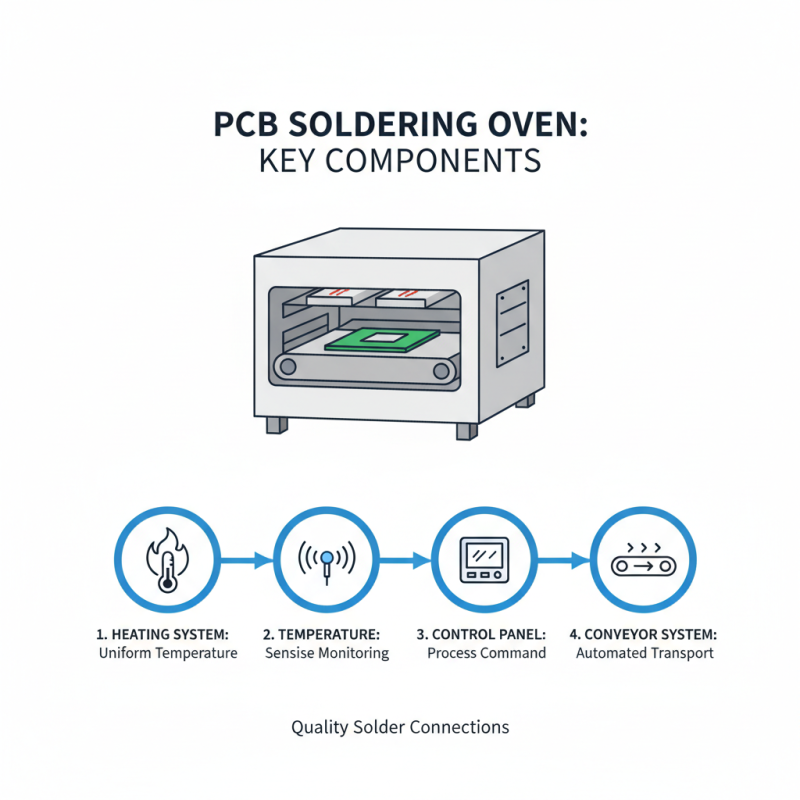
A soldering oven is a critical piece of equipment in the PCB assembly process, providing precise control over soldering temperatures and ensuring high-quality connections. The key components of a soldering oven include the heating system, temperature sensors, control panel, and the conveyor system. Each of these elements plays a vital role in achieving the desired soldering results.
The heating system typically utilizes a combination of infrared and convection heating to evenly warm the PCB and components. This dual heating method ensures that all parts reach the correct soldering temperature, which is essential for creating reliable solder joints. Temperature sensors monitor the heat within the oven, allowing for real-time adjustments to maintain optimal conditions. The control panel provides operators with an interface to set and monitor the necessary parameters, contributing to consistent results across multiple batches of PCBs. Finally, the conveyor system allows for a continuous flow of PCBs through the oven, enhancing efficiency and throughput. Research indicates that manufacturers can improve production rates by up to 30% by utilizing advanced soldering ovens with automated features.
Tips: When using a soldering oven, it is crucial to regularly calibrate temperature sensors to ensure accurate readings. Additionally, routine maintenance of the heating elements can prevent potential discrepancies in soldering quality over time. Monitoring the duration of the soldering process can also help in identifying the optimal time for effective soldering, reducing waste and enhancing overall productivity.
How a Soldering Oven Works for PCB Assembly
A soldering oven, also known as a Reflow Oven, is an essential tool in the process of PCB (Printed Circuit Board) assembly. It functions by applying heat over a specific period to facilitate the melting of solder paste, which is pre-printed onto the PCB where components are placed. The basic working principle involves controlled heating zones that gradually raise the temperature, causing the solder to flow and create electrical connections between the components and the board.
During the PCB assembly process, components are initially placed onto the solder paste-coated board. Once the components are in place, the PCB is loaded into the soldering oven. The oven uses a series of heating elements to create a temperature profile that typically includes preheating, soaking, and reflow phases. In the preheating phase, the board is gradually warmed to prevent thermal shock. The soaking phase ensures a uniform temperature before the reflow, where the solder paste reaches its peak temperature, melting and solidifying to form reliable solder joints. The ability to control the temperature precisely is crucial for the integrity of the connections, as it prevents defects such as bridging or weak joints that can hinder the performance of the assembled PCB.
Soldering Oven Temperature vs. Time for PCB Assembly
The Benefits of Using a Soldering Oven in Electronics
A soldering oven, also known as a reflow oven, plays a crucial role in the assembly of printed circuit boards (PCBs). Its primary function is to provide a controlled heating environment that allows solder paste to properly melt and flow onto the PCB, ensuring reliable connections between components. One of the key benefits of using a soldering oven is its ability to maintain uniform temperature profiles, which minimizes the risk of thermal shock that can damage sensitive electronic components. This precision in temperature control enhances the overall quality and reliability of the assembled boards.
Moreover, the use of a soldering oven significantly improves production efficiency. Unlike manual soldering techniques, which can be time-consuming and labor-intensive, soldering ovens automate the process, allowing for higher throughput in manufacturing settings. This automation not only reduces the potential for human error but also enables the consistent production of high-quality PCBs at a faster rate. As a result, businesses can meet tight deadlines while simultaneously maintaining the integrity of their products, making soldering ovens an invaluable asset in modern electronics manufacturing.
Common Applications of Soldering Ovens in PCB Manufacturing
Soldering ovens play a crucial role in the PCB manufacturing process, particularly in surface mount technology (SMT). These ovens are designed to uniformly heat the printed circuit boards, allowing the solder paste to melt and create solid electrical connections between components and the PCB substrate. By providing consistent thermal profiles, soldering ovens help to minimize defects such as solder bridges and cold solder joints, ensuring a more reliable and long-lasting final product.
Common applications of soldering ovens in PCB assembly include reflow soldering and pre-heating components. In reflow soldering, the oven heats the entire assembly, which is critical for SMT components that are often sensitive to thermal variations. Additionally, soldering ovens are utilized to preheat components to reduce thermal shock during the soldering process, especially for larger or more complex circuit boards. This controlled heating process not only enhances the quality of solder joints but also improves production efficiency by allowing manufacturers to handle multiple boards simultaneously.
Comparison Between Soldering Ovens and Other Soldering Techniques
In the realm of PCB assembly, soldering ovens and other techniques provide distinct advantages and disadvantages that manufacturers must evaluate. Soldering ovens utilize a controlled thermal profile to ensure even heating across the entire circuit board, which is critical for achieving reliable solder joints. According to a report by IPC, a leading global association for the electronics industry, the use of reflow soldering—often performed in soldering ovens—can enhance the quality of solder joints by reducing the risk of cold solder connections, a common issue with manual soldering methods.
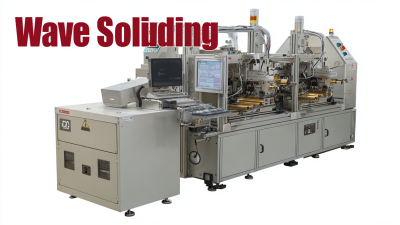
On the other hand, traditional soldering techniques, such as hand soldering and Wave Soldering, continue to be widely used, particularly for simpler assemblies or rework tasks. While hand soldering offers greater control for intricate components, it is often inconsistent and prone to errors, which can lead to quality issues. Recent studies indicate that manual soldering can yield defect rates as high as 5-10% compared to less than 1% for properly executed reflow soldering in automated setups. Wave soldering, meanwhile, can introduce challenges for complex PCB designs, especially those with varying heights or sensitive components. As PCB designs evolve, soldering ovens are increasingly favored for their efficiency and superior quality control in high-volume production.
What is a Soldering Oven and How Does it Work for PCB Assembly - Comparison Between Soldering Ovens and Other Soldering Techniques
| Soldering Technique | Advantages | Disadvantages | Best Use Case |
| Soldering Oven | Efficient for mass production, uniform heating | Higher initial cost, requires floor space | Large PCB assemblies, surface mount technology |
| Hand Soldering | Low cost, flexible for small-scale projects | Time-consuming, potential for inconsistencies | Prototyping, repairs |
| Wave Soldering | High throughput for through-hole components | Not suitable for surface mount technology | Mass production of through-hole assemblies |
| Reflow Soldering | Great for all types of SMT components, consistent results | Requires significant setup and equipment | Production of complex SMT assemblies |
Maintenance Tips for Soldering Ovens in PCB Assembly
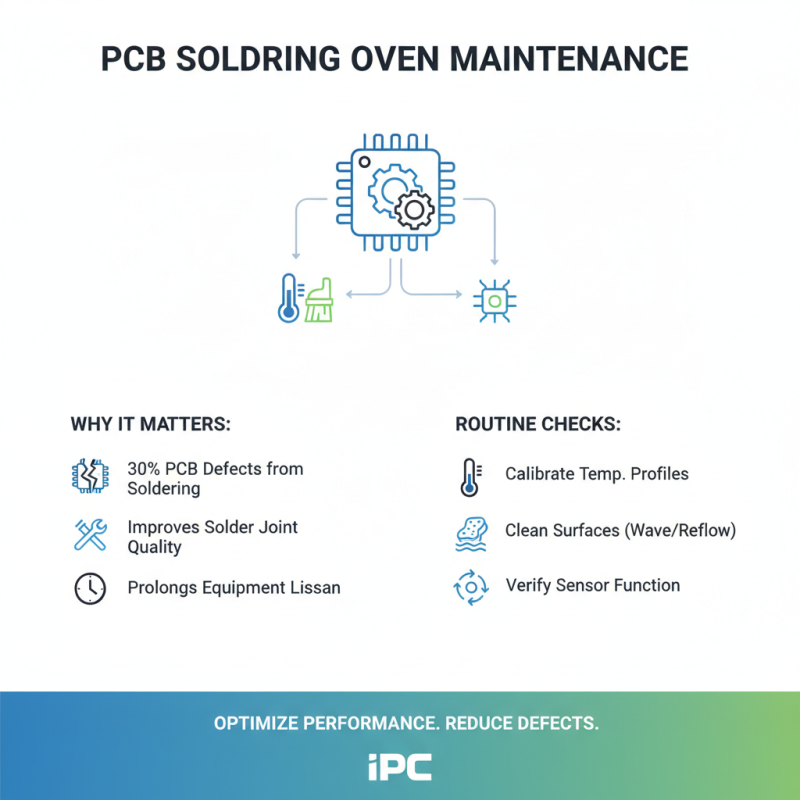
Proper maintenance of soldering ovens is crucial for ensuring optimal performance in PCB assembly. According to a report by IPC (Institute of Printed Circuits), approximately 30% of defects in PCB assemblies can be traced back to improper soldering processes, underscoring the need for regular maintenance of soldering equipment. Routine checks should include calibrating temperature profiles, cleaning the waves or reflow surfaces, and ensuring that sensors are functioning correctly. Maintaining the soldering oven at consistent temperatures not only enhances solder joint quality but also prolongs the lifespan of the equipment.
Additionally, implementing a preventive maintenance schedule can significantly reduce the risk of sudden equipment failures. Studies have shown that regular upkeep can improve equipment reliability by up to 50%, allowing for more stable production rates. Operators should monitor the oven's airflow and cleanliness, as dust and debris can accumulate and impact temperature uniformity, leading to inefficient heating processes. It is also beneficial to keep thorough records of maintenance activities; this practice provides insights into trends and necessary adjustments over time, leading to better operational efficiency in the long run.
FAQS
: A soldering oven, also known as a reflow oven, is an essential tool in PCB assembly that applies heat to melt solder paste and create electrical connections between components and the circuit board.
The soldering oven uses controlled heating zones to raise the temperature gradually, going through preheating, soaking, and reflow phases, which ensures optimal solder melting and solidification for reliable connections.
Precise temperature control is crucial as it prevents defects such as bridging or weak solder joints that could affect the performance and reliability of the assembled PCB.
Soldering ovens provide a controlled thermal profile that ensures even heating, reducing the risk of cold solder connections and achieving defect rates of less than 1%, whereas manual soldering can yield defect rates as high as 5-10%.
The typical temperature profile includes preheating the board to prevent thermal shock, soaking to ensure uniform temperature, and reflow for melting the solder paste before solidifying to form solder joints.
Soldering ovens are particularly favored for high-volume production and complex PCB designs, as they offer superior quality control compared to other methods like wave soldering.
While wave soldering can be effective, it may introduce challenges with complex PCB designs, whereas soldering ovens allow for a more controlled and efficient soldering process.
Hand soldering is often inconsistent and error-prone, leading to potential quality issues and higher defect rates compared to automated reflow soldering processes.
Automated reflow soldering in soldering ovens improves efficiency and quality control, making it a preferred choice for manufacturers in high-volume production settings.
The soldering process includes three main phases: preheating, soaking, and reflow, each serving a specific purpose to ensure proper soldering of components onto the PCB.
Conclusion
A soldering oven is a specialized piece of equipment used in PCB (Printed Circuit Board) assembly, designed to provide precise heat for soldering components onto the board. Key components of a soldering oven include heating elements, temperature sensors, and programmable controls, which work together to ensure consistent and accurate temperature profiles. The operation of a soldering oven involves preheating the PCB, reflow soldering the components, and cooling the assembly, allowing for reliable electrical connections.
Using a soldering oven offers several benefits in electronics manufacturing, including improved solder joint quality, reduced assembly time, and greater repeatability compared to manual soldering techniques. Common applications of soldering ovens include surface-mount technology (SMT) and mixed-technology assemblies. While soldering ovens are advantageous, it's important to maintain them properly to ensure optimal performance and longevity, making regular checks and calibrations essential for effective PCB assembly processes.