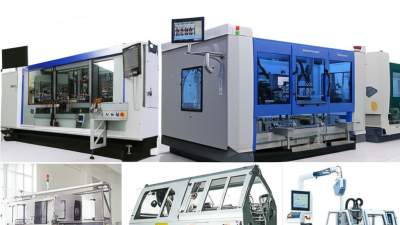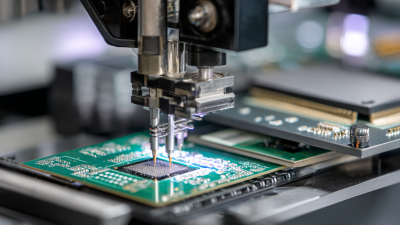

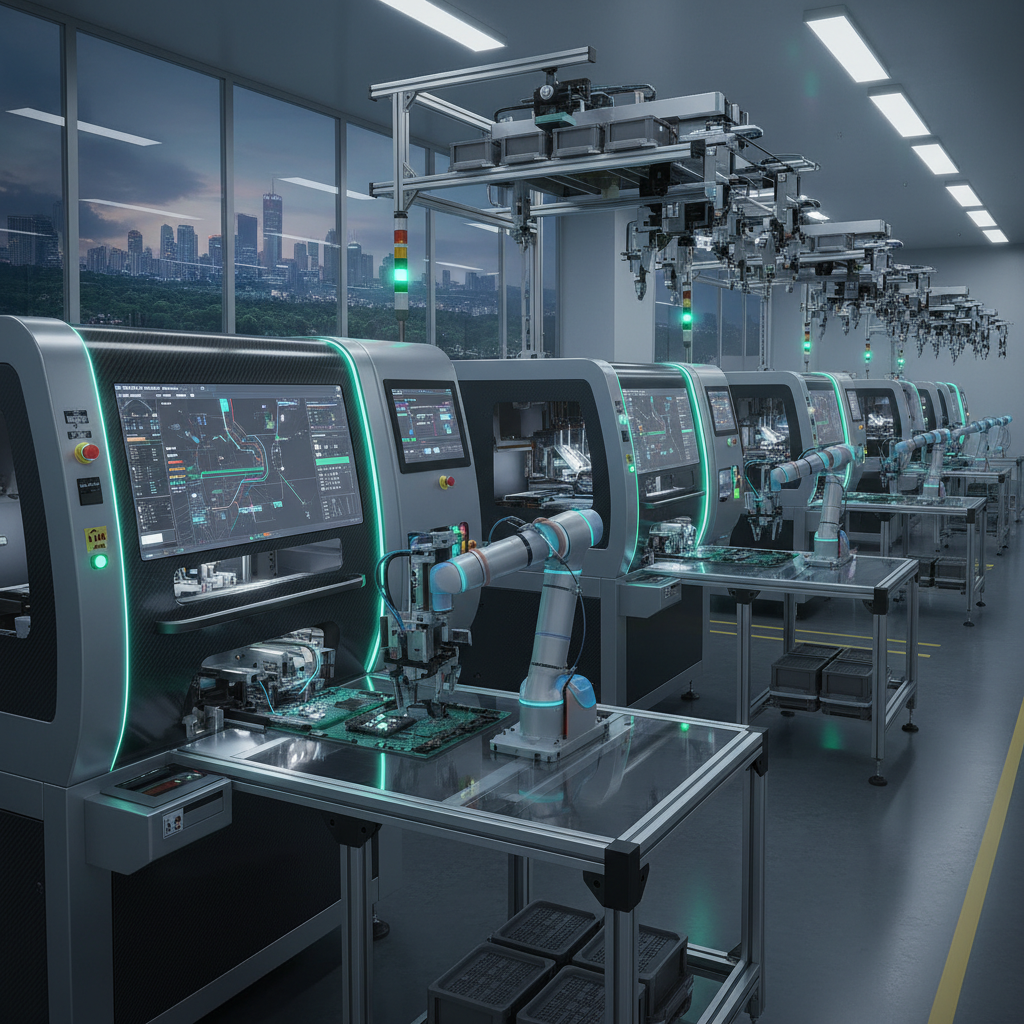
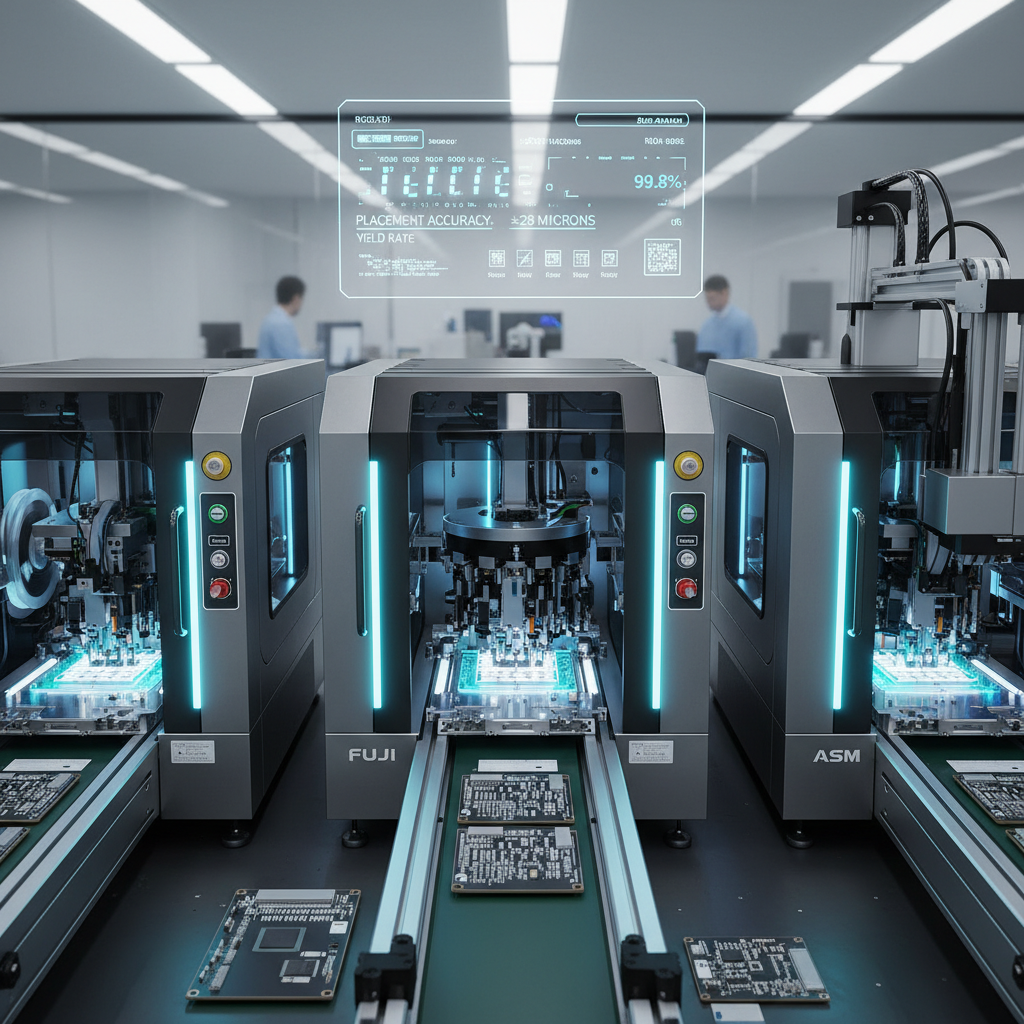
As the market demands more efficient production lines, the landscape of Surface Mount Technology (SMT) machines has shifted significantly in 2025. A comparative analysis of leading brands, such as Yamaha, Fuji, and ASM, reveals key advancements that enhance operational efficiency. According to a recent industry report by IPC, manufacturers are now able to achieve placement accuracies within ±30 microns, a crucial factor in the miniaturization of electronic components. This precision results in higher yields and reduced material wastage, ultimately lowering production costs.
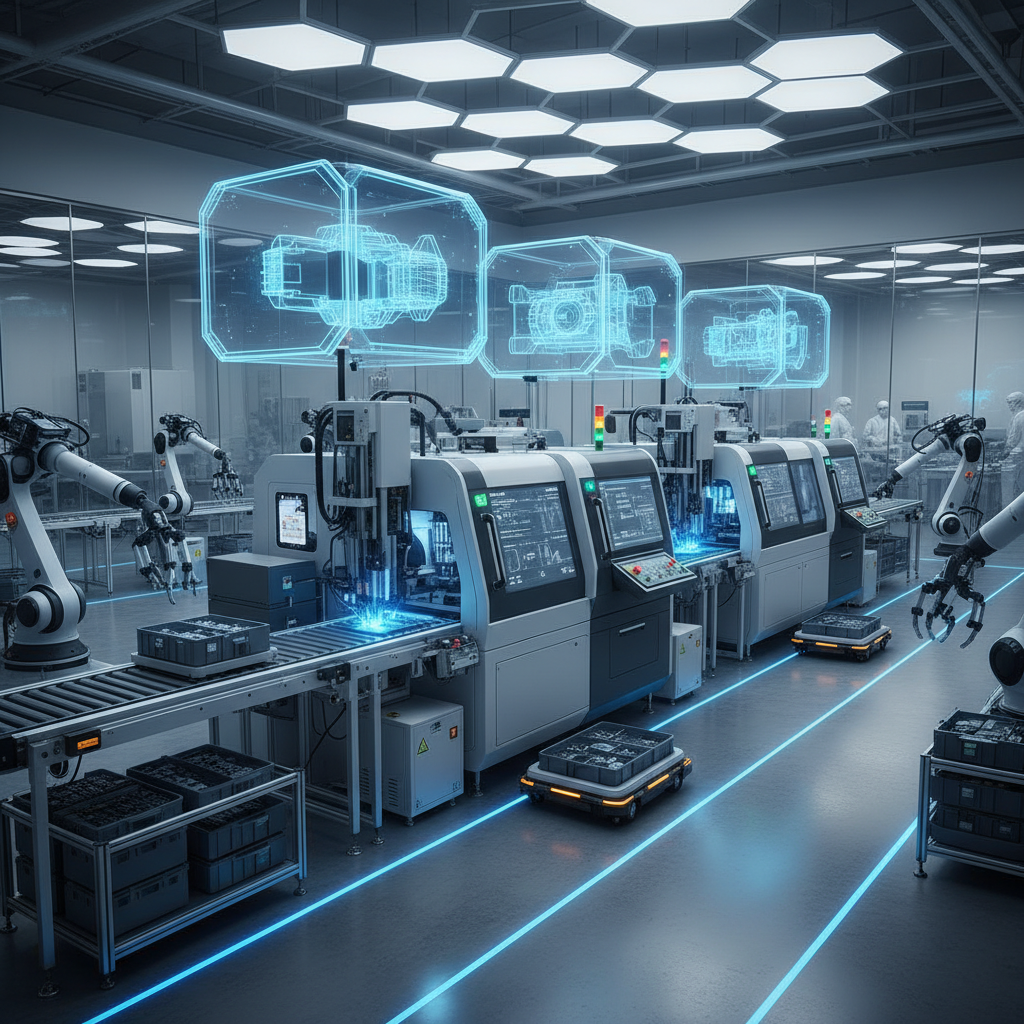
Additionally, the integration of AI and machine learning in SMT machines is a game-changer for the industry. Brands like Panasonic have developed systems that utilize predictive analytics to optimize machine performance and maintenance schedules. A study from Gartner highlights that companies implementing such advanced technologies report a 25% increase in throughput and a 15% reduction in downtime. Furthermore, the rise of modular SMT machines allows for greater flexibility and scalability, enabling manufacturers to adapt quickly to changing market demands and production volumes. This adaptability is essential as the electronics sector continues to evolve rapidly.