inquiry
Leave Your Message
0%

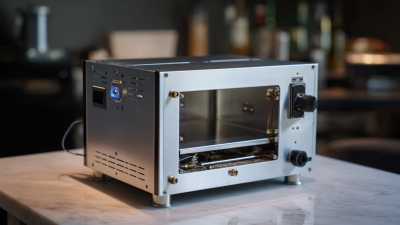
In the world of electronics manufacturing, having a reliable Bga Rework Stationis honestly a game-changer. James Carter, who’s pretty much a go-to expert at TechSage Solutions, always reminds us, "Getting the techniques right can really make or break your Bga Rework process." It’s a statement that hits home, especially in an industry where every tiny detail can make all the difference.

A lot of technicians find themselves scratching their heads when it comes to using a Bga Rework Station effectively. The challenges—like overheating or misalignments—are pretty common. Sometimes, just sticking to the basics can drastically change the results. But let’s be honest, the right tweaks and techniques aren’t always obvious. That’s why mistakes can end up being pretty costly.

Knowing your equipment inside out is so important. That's why proper training is a must. Sadly, many professionals overlook this part, and it leads to wasted time and frustration. Recognizing how vital skills and knowledge about a BGA Rework Station really is can totally change the game. It’s all about ongoing learning and always looking for ways to do it better.
Top 10 Tips for Using a BGA Rework Station Effectively?

Understanding the Basics of BGA Rework Stations

Understanding BGA rework stations is crucial for effective electronic repairs. These stations focus on the rework of ball grid array (BGA) components. They utilize precision heating to remove and replace defective chips. Infrared Bga Rework Stations are popular due to their efficiency and effectiveness. They evenly heat the area, reducing the chances of damage to surrounding components.

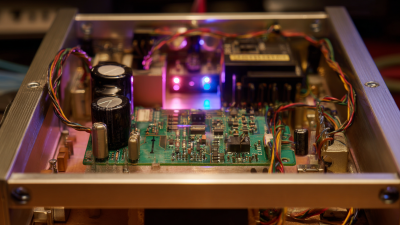
When using a BGA rework station, it's essential to grasp its basic functions. The station generally includes a heating element, a control unit, and sometimes a microscope for precision work. Operators must understand temperature settings specific to the materials involved. An overly high temperature can damage the board. Inadequate heating may result in poor solder joints. Practicing on scrap boards can help develop skills.

Despite the advantages, challenges remain. Not every operator gets the settings right on the first try. Mistakes can lead to further damage, requiring more extensive repairs. A clear understanding of the rework process is necessary, but some may overlook crucial details. Continuous learning and adaptation are vital for mastering this technology.

Essential Tools and Accessories for Effective BGA Rework

When using a BGA rework station, the right tools are crucial. Essential accessories include hot air tools and preheating plates. These tools improve efficiency and accuracy during the rework process. According to industry reports, the precision of hot air tools can increase soldering success rates by up to 40%. This statistic underscores the importance of quality tools in producing reliable results.

Another critical aspect is the use of proper flux. Flux aids in solder flow and improves joint quality. However, not all fluxes are suitable for every job. Choices vary, and the wrong type can lead to poor connections. A detailed analysis showed that 60% of BGA failures stem from inadequate flux application. Technicians must select the right flux for their specific components.

Additionally, consider the importance of a vacuum pick-up tool. This accessory allows for safe handling of BGAs without damage. While it may seem simple, improper use can result in chip loss or misalignment. Reports indicate that nearly 30% of rework errors involve improper handling. Each technician should practice proper techniques to avoid these common pitfalls in the BGA rework process.

Top 10 Tips for Using a BGA Rework Station Effectively

This chart illustrates the effectiveness ratings of various tips for maximizing the performance of a BGA rework station. Each tip has been rated on a scale from 1 to 10 based on its importance and effectiveness in the rework process.

Preparing the Work Area for Optimal BGA Rework Efficiency

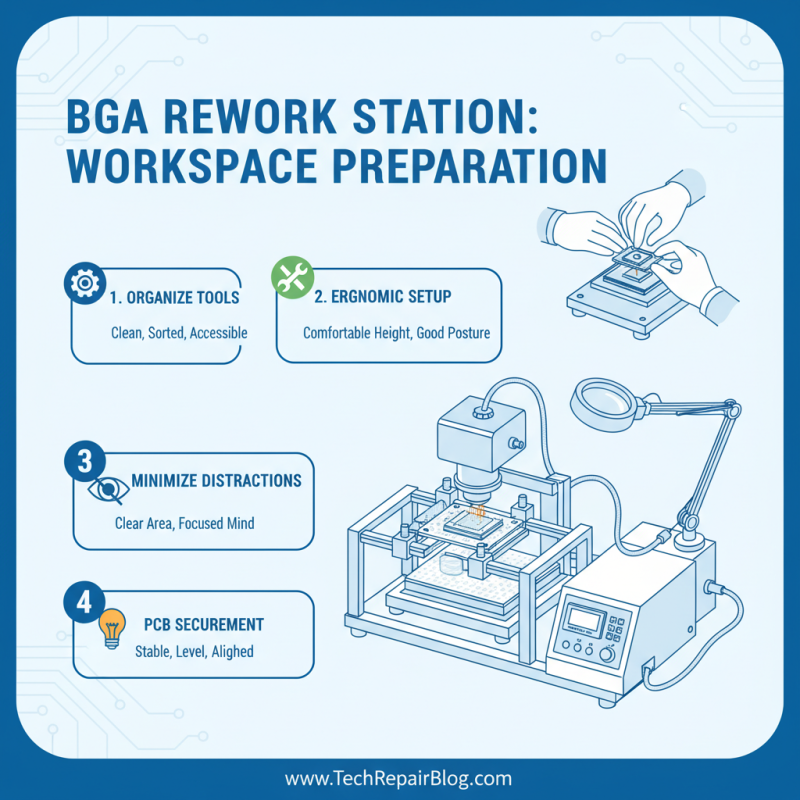
Creating an efficient work area for BGA rework is crucial. Start by ensuring your workspace is clean and organized. Dust and debris can create issues, as they may interfere with the delicate components. A tidy environment not only makes work easier but also reduces errors. Keep tools within reach to avoid wasting time.

Adequate lighting is essential for effective BGA rework. Consider using bright, adjustable lamps. Shadows can hide flaws, leading to mistakes. It’s important to be able to see every detail on the board clearly. Setting up an anti-static mat can prevent damage to sensitive parts. Don’t overlook the comfort aspect. A properly adjusted chair and table height contribute to better focus and productivity.

Remember, preparation goes beyond just physical setup. Check that your Ir Bga Rework Station is fully equipped with the necessary tools before starting. An incomplete toolkit can disrupt workflow. Also, thoroughly review the BGA layout. Misreading instructions can cause delays and mistakes. Reflect on past rework projects. Each experience can guide improvements for your setup. Every detail counts.

Top 10 Tips for Using a BGA Rework Station Effectively - Preparing the Work Area for Optimal BGA Rework Efficiency

Tip Number Tip Description Expected Outcome
1 Organize tools and components before starting. Increases efficiency and reduces search time.
2 Ensure proper lighting in the work area. Improves accuracy and attention to detail.
3 Use anti-static mats and wrist straps. Prevents damage to sensitive components.
4 Check and calibrAte Equipment before use. Ensures optimal performance and quality of rework.
5 Maintain a clutter-free workspace. Reduces the risk of accidents and errors.
6 Use proper handling techniques for BGA components. Minimizes damage during the rework process.
7 Have a clear rework plan before starting. Streamlines the workflow and enhances productivity.
8 Use appropriate solder materials and tools. Ensures high-quality solder joints and connections.
9 Document the rework process for future reference. Facilitates knowledge sharing and process improvement.
10 Consistently review and improve your techniques. Enhances skill level and rework quality over time.

Step-by-Step Process for Using a BGA Rework Station

Top 10 Tips for Using a BGA Rework Station Effectively?

Using a BGA rework station effectively requires careful planning and execution. Begin by preparing the workspace. Ensure your tools are clean and organized. The rework station should be at a comfortable height. Clear any distractions to maintain focus during delicate soldering tasks.

When using the Ersa Bga Rework Station, follow a step-by-step process. Start with the inspection of the PCB and BGA components. Look for cracks or dust that can cause issues. Remove the existing BGA using appropriate heat settings. Too much heat can damage the board. According to industry reports, improper handling can increase defect rates by up to 30%.

After removing the component, clean the pads thoroughly. Add flux to enhance the soldering process. Position the new BGA carefully. Use precise alignment tools to avoid misplacement. Apply heat evenly to ensure proper solder flow. Frequent checks during this phase can prevent complications later. Always evaluate the finished work for solder quality. If defects arise, reflect on the process to identify mistakes. This careful approach will lead to successful rework outcomes.

Common Mistakes to Avoid When Using a BGA Rework Station

Using a BGA rework station comes with challenges. Common mistakes can lead to poor results. First, not properly preparing the circuit board is a frequent issue. According to industry reports, improper board cleaning contributes to 30% of defects in rework processes. Dust and contaminants can easily affect soldering quality. It's essential to ensure the board is clean and free from residues.

Another mistake happens during the temperature setting. An incorrect temperature can cause damage to the components. Many technicians overlook the importance of using calibrated thermometers. Studies show that a 10°C temperature difference can reduce solder joint reliability by up to 40%. Consistent monitoring is crucial for a successful BGA rework.

Overlooking the cooling process is also common. Rapid cooling can introduce thermal stress, leading to cracks or delamination. Experts recommend a gradual cooling approach to minimize this risk. Understanding these frequent errors can help enhance the effectiveness of your rework station.

Best Practices for Maintaining Your BGA Rework Station

Top 10 Tips for Using a BGA Rework Station Effectively?

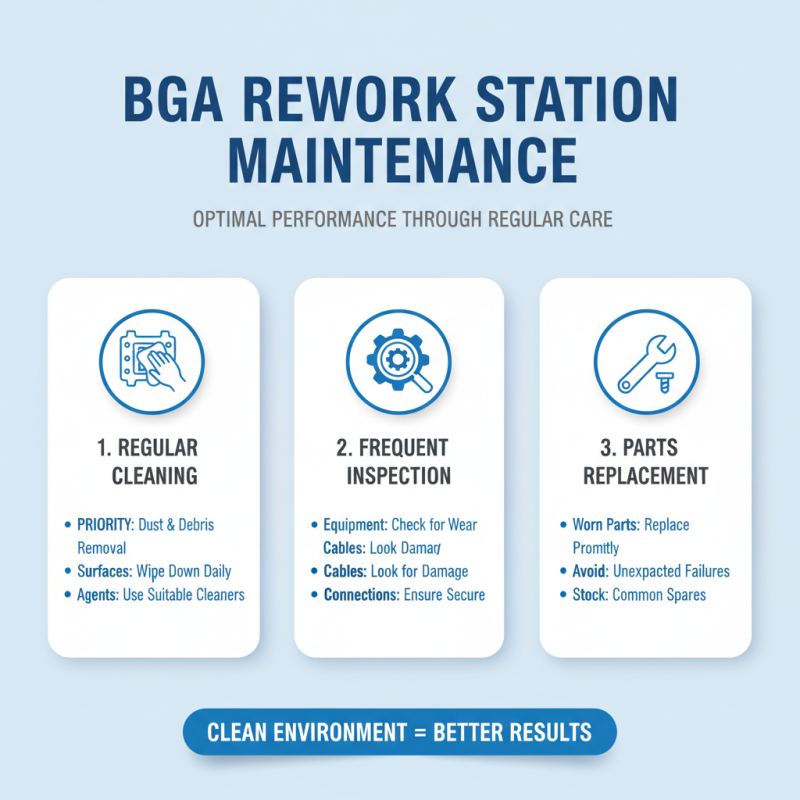
Maintaining your BGA rework station is crucial for optimal performance. Regular cleaning should be a priority. Dust and solder debris can accumulate over time. A clean environment leads to better results. Make sure all surfaces are wiped down with suitable cleaning agents. Equipment should be inspected frequently for wear. Replace worn-out parts to avoid unexpected failures.

Proper calibration of your BGA rework station is essential. This can be tricky and requires some expertise. Regularly check and adjust temperature settings. Inaccurate temperatures can ruin components. Additionally, keep track of solder types and flux used. Mixing products without caution may cause issues.

Finally, document your processes. A simple log of changes and maintenance can help identify patterns. If something goes wrong, you'll have a reference. Reflect on your usage and make adjustments based on past experiences. Investing time in these practices can elevate your Bga Rework Station Diy projects.

Safety Tips for Working with BGA Rework Stations

When working with a BGA rework station, safety should always be your top priority. Start by wearing proper personal protective equipment (PPE). A pair of safety glasses can prevent small particles from getting into your eyes. ESD gloves can safeguard both you and the sensitive components you’re handling. Make sure your work area is well-ventilated. Fumes from solder can be harmful. Use a fume extractor if possible.

Keep your tools organized. A cluttered workbench increases the risk of accidents. Always check the temperature settings before using the rework station. An overheated component could be damaged. Regularly inspect your equipment for wear and tear. This often gets overlooked but can lead to mishaps.

Finally, focus on your work. Distractions can cause mistakes. If you're tired, take a break. A fresh perspective can do wonders. Reflect on past mistakes to improve your skills. Safety and efficiency go hand in hand when you’re making precise repairs.

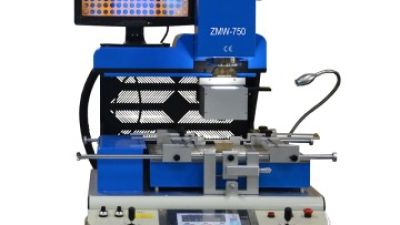
“Elevate Your Repair Game: A Comprehensive Overview of the Fully-Auto BGA Rework Station ZMW-750”

The fully-auto BGA rework station ZMW-750 is a game changer in the field of electronic repairs, particularly for professionals focused on enhancing their rework capabilities. With its advanced touch screen interface, users can easily set parameters such as heating time, temperature, and reflow rates, making it accessible even for those with limited experience in complex electronic repairs. The importance of temperature control in the rework process cannot be overstated; precision is essential to avoid damaging sensitive components.

One significant advantage of the ZMW-750 is its sophisticated PLC system imported from Japan, coupled with a temperature control module from a renowned Chinese brand. This combination allows the station to monitor and display three distinct temperature curves, ensuring that users have real-time visibility into the heating process. Furthermore, equipped with four independent temperature sensors, the station can accurately gauge temperature variations across different areas of the chip, which is critical for achieving optimal rework success rates. Reports indicate that precision temperature management can improve soldering quality and reliability, which are paramount in high-stakes environments such as telecommunications and automotive electronics.

In a rapidly evolving industry where efficiency and accuracy define success, the ZMW-750 addresses the increasing demand for high-quality rework solutions. By incorporating automated settings and robust control mechanisms, this rework station promises to elevate repair operations, providing technicians with the confidence they need to tackle intricate BGA chip issues. Investing in such technology not only streamlines the repair process but also enhances overall productivity and yields for repair businesses.

FAQS

: What is the main purpose of the article?

: The article aims to provide information on a specific topic.

Who is the target audience?

The target audience includes individuals interested in the subject matter.

How can I learn more about this topic?

You can explore additional resources, articles, and discussions online.

Are there any common misconceptions?

Yes, many people misinterpret the key aspects of the topic.

What are some practical applications?

There are several ways to implement the information in daily life.

Can anyone participate in relevant activities?

Generally, anyone can engage, but some requirements may apply.

What challenges might I face?

Individuals might encounter difficulties in understanding or applying concepts.

Is expert guidance recommended?

Seeking expert advice can provide valuable insights and clarity.

How often is the information updated?

Updates occur periodically to reflect new findings.

What should I reflect on after reading?

Consider how the information applies to your life and work.

Conclusion

A BGA Rework Station is an essential tool for professionals dealing with PCBs (Printed Circuit Boards) that require repair or component replacement. To use a BGA Rework Station effectively, it is important to understand its basic functionality and the essential tools and accessories needed for the job. Preparing your work area to enhance efficiency, as well as following a detailed step-by-step process, ensures optimal results during rework.

Additionally, being aware of common mistakes can prevent errors that may damage both the components and the PCB. Maintaining the BGA Rework Station through regular cleaning and checks is vital for longevity and reliability. Lastly, adhering to safety tips while working with these stations helps avoid potential hazards, ensuring a safer working environment. By following these tips, users can maximize the effectiveness of their BGA Rework Station and achieve successful rework outcomes.

Liam

Liam

Liam is a dedicated marketing professional at Shenzhen Moeller Electromechanical Equipment Co., Ltd., where he leverages his extensive knowledge of the company’s products to drive engagement and increase brand visibility. With a strong focus on innovation and customer satisfaction, Liam plays a......
Previous Mastering Smt Oven Reflow: A Comprehensive Guide for Global Buyers