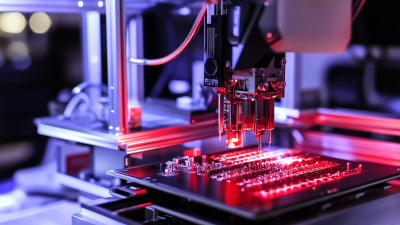
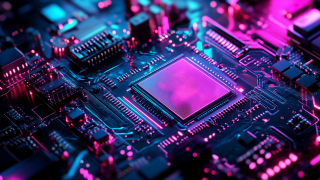
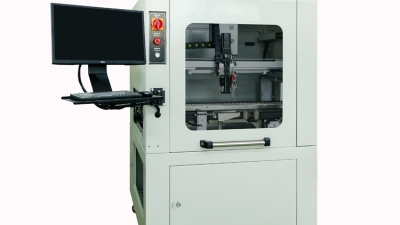
You know, in the fast-changing world of surface mount technology (or SMT for short), the need for more efficient manufacturing solutions has never been more urgent. I came across this pretty comprehensive report from Markets and Markets, and it predicts the global SMT market will hit around $45.61 billion by 2025. That’s mainly because electronic components are getting tinier and tinier, which means we need smarter, more advanced machinery to keep up. One standout innovation in this space is the Radial Insertion Machine — it’s really changing the game by cranking up productivity and making assembly a whole lot smoother. Here at Morel Equipments Co., Limited., we’ve been in the SMT world for over 15 years now. We started out just selling accessories, but over time, we’ve grown into a full-on solutions provider, offering top-of-the-line stuff like pick-and-place machines, automatic soldering robots, and solder paste equipment. We’re genuinely excited about how our focus on radial insertion tech can push the boundaries of efficiency in electronics manufacturing.
Exploring the Latest Innovations in Radial Insertion Machine Design
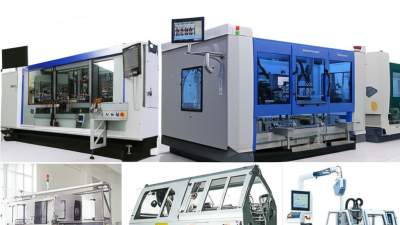
Hey, you know, in this fast-changing world of surface mount technology (SMT), the way radial insertion machines are designed has really taken a leap forward. They've added cool features like automated component placement, smarter alignment systems, and interfaces that are a breeze to use. All this stuff really makes these machines a must-have for manufacturers wanting to streamline their production. Companies like Morel Equipments Co., Limited, with over 15 years in the game, are actually leading the charge with these innovations, offering solutions that keep up with industry demands.
The newest radial insertion machines blend robotics with clever software that monitors things in real-time and allows for on-the-fly adjustments. This means less downtime, more output, and a lot fewer worries about errors. They’re not just about being fast—they’re super accurate, too, making sure each component lands exactly where it should. That really cuts down on rework and waste. Plus, Morel’s all-in approach to SMT, covering everything from automatic soldering robots to testing gear, helps manufacturers step up their game while staying flexible enough to handle market changes. Honestly, it’s pretty exciting to see how much these innovations are pushing the industry forward!
Key Features of Top Radial Insertion Machines for Optimal Performance
When you're looking to boost productivity in manufacturing, picking the right radial insertion machine is pretty important. The top models out there come with some really handy features that help keep things running smoothly. For example, one of the coolest things is their precision alignment system—it's what ensures each component gets inserted just right, every single time. That really cuts down on mistakes and rework, saving you both time and money.
Another thing to think about is how adaptable the machine is. The best radial insertion units often have programmable settings, so switching between different products is quick and hassle-free. This kind of flexibility is a lifesaver if you need to go from one production line to another without losing a ton of time. Plus, a lot of the top models now include smart sensors that keep an eye on performance, giving real-time feedback. That way, operators can stay on top of things and catch any issues early before they turn into bigger problems.
Pro tip: When you're choosing a machine, look for one that's easy to use. A simple, user-friendly interface can save you lots of training time and make the whole workflow smoother. And don't forget about support—getting a machine backed by solid technical support and easily available spare parts will help keep downtime minimal and your productivity steady in the long run.
Innovative Designs of Best Radial Insertion Machines for Enhanced Productivity
Industry Applications: How Radial Insertion Machines Boost Productivity
Radial insertion machines have really changed the game for manufacturing across so many industries, and honestly, they’ve made things way more efficient. I came across a recent report from the International Journal of Advanced Manufacturing Technology, and it’s pretty impressive — companies using these advanced machines see up to a 30% boost in productivity. Basically, these machines automate the process of inserting components in radial patterns, which not only helps cut down on labor costs but also reduces those annoying errors that happen when folks handle everything manually. With demand for faster production ramping up everywhere, this kind of efficiency boost is more important than ever.
One industry where radial insertion machines really stand out is automotive. For example, big names like Ford have said that adopting these machines has shaved down assembly times by about 25%, all while keeping quality high. But to get the most out of this tech, companies should make sure to schedule regular maintenance—otherwise, downtime can ruin the whole thing.
And then there’s the electronics world. These machines really help speed up the cycle times for assembling devices. According to the Electronics Industry Association, integrating radial insertion technology has cut product lead times by around 20%. If a company wants to squeeze every bit of productivity out of their setup, they should pay close attention to tuning their machines based on the specific components they’re working with. Plus, offering ongoing training for operators can make a big difference—helping them troubleshoot and manage the machines more effectively is always a win.
Case Studies: Successful Implementations of Radial Insertion Technology
You know, the adoption of radial insertion tech has really shifted the game in manufacturing across a bunch of industries. It’s like, productivity and efficiency got a serious boost. Take this one example—a top car maker that brought in this fancy, high-tech radial insertion machine into their assembly line. According to a 2021 report from McKinsey, companies that jumped on the advanced insertion bandwagon saw about a 30% jump in output, plus they cut labor costs by around 25%. Pretty impressive, right? It just goes to show how powerful these innovative designs can be when tailored for radial insertion.
And it’s not just in automotive—electronics companies are seeing crazy results too. One big player there managed to cut down assembly time by about 40% after they started using these machines. They’re able to place components super quickly and accurately, which means fewer mistakes and less rework. From what I’ve seen in data and case studies, businesses using these kinds of innovations aren’t just cranking out more stuff—they’re also tightening up quality control, which as we all know, is crucial to stay competitive these days.
If you’re thinking about jumping in, a couple of tips could help. First off, investing in training your team really pays off—to get the most out of the machine. Also, don’t forget regular maintenance to keep everything running smoothly. And honestly, it helps to take a good look at your existing workflows—spot where the bottlenecks are, and see if radial insertion tech can smooth things out. Following these simple ideas can really make a difference, boosting both productivity and overall operations. It’s pretty exciting stuff, really.
Future Trends in Radial Insertion Machine Development and Usage
Honestly, the future of radial insertion machines looks pretty exciting. With all these new tech innovations and shifting industry needs, things are set to really move forward. I came across a report from MarketsandMarkets that says the global market for these automated insertion machines is expected to jump from around $1.2 billion in 2023 to nearly $2 billion by 2028. That’s roughly a 10% annual growth rate. The main drivers? Companies are really pushing for higher precision manufacturing, especially in areas like electronics, automotive, and healthcare — places where getting things just right really matters.
One of the coolest trends right now is how artificial intelligence and machine learning are being integrated into these machines. It’s like giving them a brain! These smart features help the machines adapt on the fly to different production needs and improve how they work in real time. According to some reports from Technavio, AI-powered manufacturing could add up to $1.2 trillion in value across the industry by 2025. Plus, there have been some exciting improvements in materials — making machines lighter, tougher, and more energy-efficient. All of this means lower operating costs and more sustainable production. It’s clear that as companies focus more on sustainability along with productivity, radial insertion machines will be evolving to match these big industry trends.
Revolutionizing Electronics: The Benefits of HMH-830 PCBA Coating Systems for Your Manufacturing Needs
In the ever-evolving landscape of electronics manufacturing, the HMH-830 PCBA Coating Systems stand out as a game changer. Designed to revolutionize the application of protective coatings, these systems offer impressive advantages for manufacturers seeking to enhance the durability and reliability of their products. One of the most notable features is the advanced three-axis motion system, which ensures an accurate and efficient selective spraying process across various circuit boards. This precision eliminates any risks of overspray and ensures that critical areas, such as connectors, remain untouched.
The ability to avoid non-coated areas is essential for maintaining the functionality and performance of electronic devices. By utilizing the HMH-830 systems, manufacturers can confidently apply coatings that shield their products from moisture, dust, and other environmental factors without compromising important components. This targeted approach not only improves the overall quality of the final product but also streamlines the manufacturing process, reducing waste and saving time. Investing in HMH-830 PCBA Coating Systems is a strategic move for any company aiming to stay competitive in today's high-demand market.
FAQS
: The latest radial insertion machines feature automated component placement, precision alignment systems, and user-friendly interfaces, enhancing productivity and efficiency for manufacturers.
Advanced robotic systems combined with intelligent software enable real-time monitoring and adjustments, reducing downtime and increasing output while maintaining accuracy in component placement.
Manufacturers adopting radial insertion technology have reported significant increases in output—up to 30%—and reductions in labor costs by as much as 25%, as evidenced by industry case studies.
A major automotive manufacturer integrated a radial insertion machine, leading to a significant increase in output and a notable decrease in labor costs, showcasing the effectiveness of this technology.
In the electronics sector, companies have achieved a 40% reduction in assembly time and minimized errors and rework after deploying radial insertion machines, which enhances quality control.
Businesses should invest in employee training, ensure regular maintenance of machines, and assess existing workflows to identify bottlenecks that radial insertion technology can address.
Future trends include the integration of artificial intelligence and machine learning to enhance adaptability and optimization in production processes, along with advancements in materials technology for improved energy efficiency.
The global market for automated insertion machines is projected to grow from $1.2 billion in 2023 to nearly $2.0 billion by 2028, reflecting a compound annual growth rate (CAGR) of 10.2%.
As companies prioritize sustainability alongside productivity, the evolution of radial insertion machines is aligning with industry trends that demand both energy efficiency and operational cost reduction.
AI-driven manufacturing is expected to generate up to $1.2 trillion in added value across the industry by 2025, highlighting the significant impact of these technologies on manufacturing efficiency.