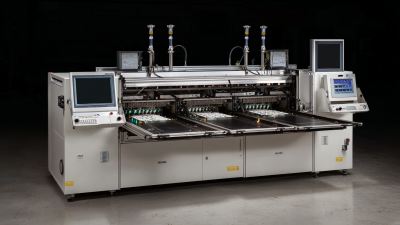
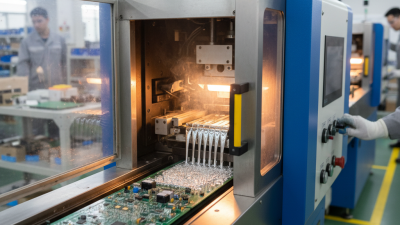
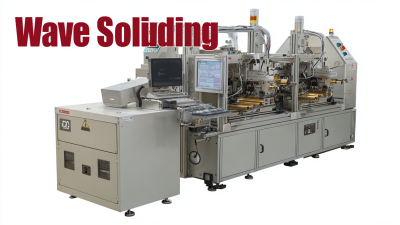
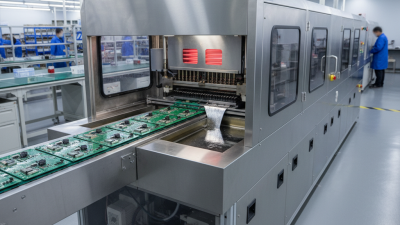
The world of electronics manufacturing is changing pretty quickly these days. You know, wave soldering equipmentis actually playing a big part in this shift. According to the folks at IPC and other industry reports, the market for Wave Soldering is expected to grow at a compound annual rate of over 4% through 2026. Seems like everyone’s still really relying on efficient soldering solutions to keep things moving along on the production lines.
Companies like Kester and Cookson Electronics are really pushing the envelope when it comes to soldering tech. But with all this innovation, there's also a big emphasis on keeping costs down. Picking the right wave soldering setup can do wonders for cutting operational costs and boosting productivity. Of course, it’s not just about grabbing the newest tech; you’ve gotta consider your own specific needs and really dig into each model to see what works best.
And let’s be honest — sometimes there’s a gap between what you expect a piece of equipment to do and what it actually does. Not all Wave Soldering Machines live up to the hype. That’s why investing in proper training and understanding the tech inside out is so crucial. Making smart, informed choices is really what can make or break your success in this competitive game.

Overview of CE Certification for Wave Soldering Equipment
CE certificationis crucial for Wave Soldering Equipment. It signifies compliance with European safety, health, and environmental standards. Manufacturers seek this certification to access the European market more easily. It not only reflects quality but also aligns with industry expectations.
When evaluating wave soldering equipment, focus on the CE marking. This mark guarantees that the equipment meets stringent EU regulations. It is essential for machine longevity and worker safety. However, not all equipment on the market holds this certification. This gap can lead to significant risks, including potential failures during operation.
Investing in CE-certified equipment is a wise choice. It demonstrates a commitment to safety and quality. Yet, the certification process can be complex and often overlooked. Some manufacturers rush through it or skip steps to save time. This practice can result in serious consequences, both legally and financially. The path to certification should not be taken lightly.
Importance of Wave Soldering in Electronics Manufacturing
Wave soldering plays a crucial role in electronics manufacturing. This process efficiently bonds components to printed circuit boards (PCBs). The global market for Wave Solder Equipment tripled in the last decade, showcasing its significance. In 2022 alone, the industry generated over $200 million in revenue. This highlights the increasing reliance on wave soldering for producing reliable electronics.
However, the technology is not without challenges. Many manufacturers struggle with temperature control. Inconsistent heat can lead to cold solder joints, which compromise product quality. According to a recent industry report, nearly 15% of wave solder defects stem from improper temperature settings. Moreover, maintenance of wave solder equipment requires regular attention to ensure peak performance. Overlooking these details can result in costly rework and delays.
Training operators is another critical area. There's a noticeable gap in skill levels among workers. While some operators excel, others lack essential knowledge about wave soldering techniques. Such disparities can lead to increased defect rates. Companies must invest in training programs to improve workflow efficiency. This ensures that wave solder equipment works optimally and minimizes errors in production.
Key Features of Quality Wave Soldering Equipment
When considering wave soldering equipment, several key features stand out. First, the heating system plays a crucial role. A reliable heating mechanism ensures uniform temperature distribution across the soldering area. Watch out for inconsistencies; they can lead to defective solder joints.
Another important aspect is the solder wave control. Equipment should provide adjustable wave heights. This flexibility allows for effective soldering of various component types. Balancing the wave height can be tricky. Too high can displace components, while too low might result in poor solder adhesion.
Additionally, a quality machine includes a temperature monitoring system. Continuous tracking helps maintain consistent soldering conditions. If the system lacks precision, it can affect performance. Look for models with real-time feedback. These features enhance usability and result in better soldering outcomes. Feedback from operators often highlights the need for improvements in user interfaces. This area warrants attention for better operational efficiency.
Top Manufacturers of CE Certified Wave Soldering Machines
When exploring the top manufacturers of CE certified Wave Soldering Machines, it's crucial to consider various factors. High-quality machines enhance production efficiency. Some manufacturers focus on innovative technology. Others prioritize cost-effective solutions. The choice often depends on specific operational needs.
Tips: Look for user reviews on machine performance. This information can provide insights that specs alone may not reveal. Pay attention to warranty and service options, as these can significantly impact long-term investment.
Many manufacturers offer customization options. Custom features can optimize your wave soldering machine for particular tasks. However, ensure that these customizations don’t complicate basic operations. Striking a balance is essential for smooth production workflows. Evaluate whether these modifications truly add value or just create unnecessary complexity.
2026 Pricing Trends for Wave Soldering Equipment
The wave soldering equipment market is experiencing intriguing pricing trends in 2026. As demand for efficient manufacturing rises, suppliers are adjusting prices accordingly. Mini Wave Soldering units are gaining popularity due to their compact size and efficiency. These smaller systems cater to specialized production needs, offering more flexibility for manufacturers.
New technologies are emerging, and they often come at a cost. As manufacturers invest in advanced features, prices may shift. Some older models are seeing decreased value as newer options enter the market. Buyers might find it challenging to navigate these pricing shifts. Finding a reliable price point for Mini Wave Soldering equipment is crucial for budgeting.
Market fluctuations can also lead to uncertainty. Unexpected price increases might deter potential buyers. Some may question whether they are getting adequate value for their investment. It’s essential to assess long-term benefits rather than focusing solely on initial costs. Deciding which equipment to choose requires careful consideration and market awareness.
Comparative Analysis of CE Certified Models
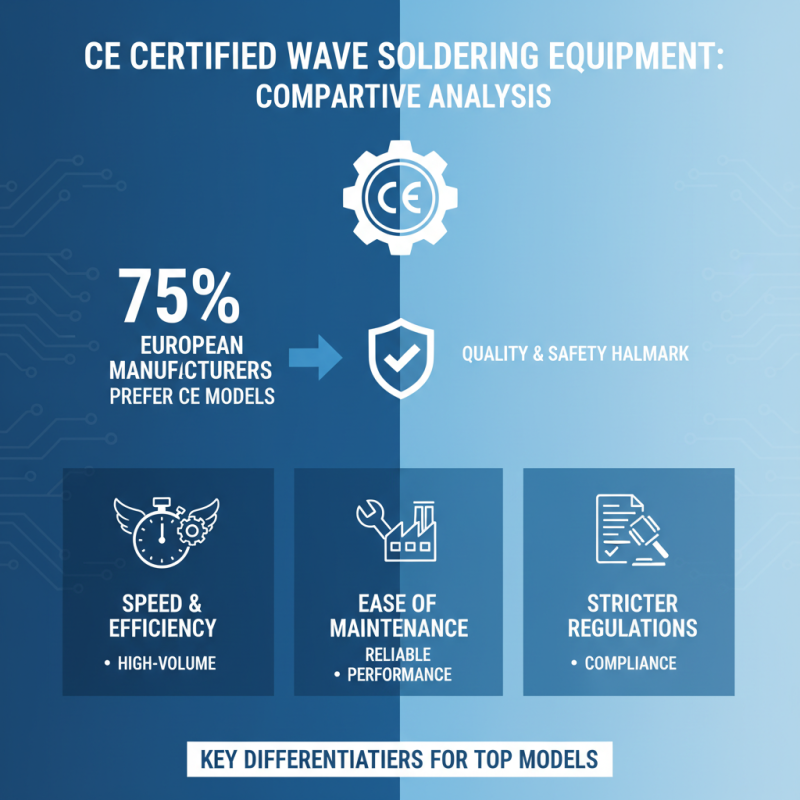
In the wave soldering equipment market, CE certification stands as a hallmark of quality and safety. According to recent industry reports, approximately 75% of manufacturers in Europe prefer CE-certified models. This preference stems from stricter regulations and the need for reliable performance in high-volume production environments. The comparative analysis reveals key features that differentiate various models. Speed, efficiency, and ease of maintenance are typical attributes highlighting the best choices.
One critical aspect is the soldering speed. Many CE-certified machines provide a range from 200 to 300 mm/min. However, some models struggle with maintaining consistent quality at higher speeds, leading to potential defects. A staggering 15% of production errors may stem from poor solder joints in high-speed processes. Additionally, the maintenance frequency of these machines often varies, impacting overall operational costs. Some models require weekly checks, while others can operate for months without maintenance. This inconsistency can pose challenges for manufacturers aiming for zero downtime.
When evaluating available options, it's also essential to consider energy consumption. Models that optimize power usage can lead to significant cost savings. Reports indicate that energy-efficient wave soldering equipment can cut costs by up to 30%. However, not all certified equipment meets these energy standards effectively, prompting questions about long-term value against initial costs.
Maintenance and Support for Wave Soldering Equipment
Wave soldering equipment requires careful maintenance to ensure optimal performance. Regular upkeep can extend the life of the machinery. Components like nozzles and pumps need frequent checks. Ignoring these may lead to inefficiencies. A dirty nozzle can cause uneven solder distribution. This, in turn, affects product quality. Maintenance schedules should be strictly followed.
Technical support for these machines is equally important. Operators must understand basic troubleshooting. This knowledge can minimize downtime. If a soldering machine malfunctions, immediate focus is vital. Often, small adjustments can resolve significant issues. Training sessions on maintenance best practices should be held regularly. This empowers staff to act confidently during emergencies.
When considering the Wave Soldering Machine Price, keep maintenance costs in mind. Higher initial investment might lead to lower future expenses. Investing in a quality machine can yield better long-term results. However, more expensive does not always mean better. Research and analysis are crucial before making any purchase decisions. Balance is key to ensuring that all components work harmoniously together.
Revolutionizing Cooking: The Benefits and Features of the Dual Lane Wave Oven XMS-350
The Dual Lane Wave Oven XMS-350 is set to revolutionize the cooking industry with its innovative features and energy-efficient technology. One of its standout benefits is the remarkable electricity-saving capability. The design ensures steady performance while significantly reducing power consumption—up to 90% less energy compared to similar cooking equipment. This efficient use of energy not only promotes sustainable cooking practices but also makes the oven a cost-effective choice for both professional and home chefs.
Another impressive feature of the Dual Lane Wave Oven XMS-350 is its space-saving design. Traditional wave soldering machines can occupy substantial floor space, requiring up to 186.9 square meters. In contrast, this advanced oven utilizes around 65.45 square meters, resulting in a remarkable saving of 121.45 square meters. This compact design allows for greater flexibility in kitchen layouts, making it ideal for establishments with limited space. Overall, the Dual Lane Wave Oven XMS-350 is an essential addition for those looking to enhance their cooking experience while being environmentally conscious and space-efficient.
FAQS
: Prices are shifting due to rising demand for efficient manufacturing. Suppliers adjust prices based on market conditions.
Mini Wave Soldering units are compact and efficient, catering to specialized production needs. They offer manufacturers more flexibility.
New technologies often increase costs. Older models may decrease in value as buyers opt for advanced features.
Buyers must navigate fluctuating prices carefully. Finding a reliable price point for budgeting is crucial.
Regular maintenance is essential for optimal performance. Neglected upkeep can lead to inefficiencies and impact product quality.
Operators need to check components like nozzles and pumps frequently. Ignoring these checks can cause major issues.
Technical support helps operators troubleshoot. Quick adjustments can minimize downtime and keep production running smoothly.
Higher initial prices may lead to lower long-term expenses. Researching quality can yield better future results.
Ignoring maintenance can cause uneven solder distribution. This may ultimately affect the quality of finished products.
No, value assessment and long-term benefits are essential. More expensive doesn't always mean better; balance is important.
Conclusion
The article titled "2026 Top Best CE Certification Wave Soldering Equipment Pricelist Guide" provides a comprehensive overview of CE certification, highlighting its significance in ensuring the quality and safety of wave soldering equipment in electronics manufacturing. The importance of wave soldering in producing reliable electronic components is emphasized, showcasing its role in enhancing manufacturing efficiency.
Key features that characterize high-quality wave soldering equipment are discussed, alongside a review of top manufacturers that comply with CE certification standards. The article also explores pricing trends for wave soldering equipment expected in 2026, offering insights into market dynamics. A comparative analysis of different CE certified models helps buyers make informed decisions. Finally, the guide underscores the importance of maintenance and support for prolonging the lifespan and effectiveness of wave soldering equipment, ensuring optimal performance in production environments.