Picking the right Wave Soldering Equipment is super important if you’re into making electronics. I mean, this equipment plays a huge role in making sure your solder joints turn out solid. Honestly, choosing the right machine can really boost your production speed and overall efficiency. But with so many options out there, it can feel a bit overwhelming trying to figure out what’s best, right?
First off, think about how much you’re producing and what your specific needs are. Look for features that actually match what you do. What works great for one manufacturer might not be ideal for another, so keep that in mind. Also, don’t forget to consider your workspace — do you have enough room for larger machines, or would something more compact be better? Taking these things into account can really help make your decision easier.
And, of course, think long-term about costs too. Maintenance and running expenses can add up, and sometimes going for a cheaper machine upfront ends up costing you more later on. The goal is to find a good balance between quality and your budget. At the end of the day, choosing the right wave soldering equipment is all about weighing these factors carefully so you get results that last and keep your process smooth.
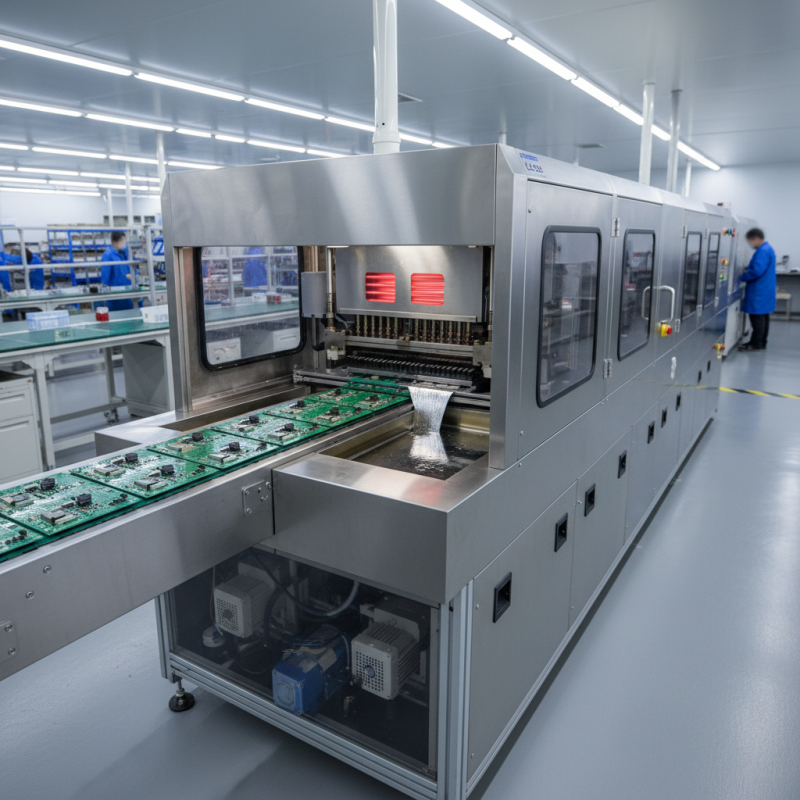
When selecting wave soldering equipment, several factors play a crucial role in ensuring optimal performance. One of the primary considerations is the production volume. According to a report by IPC, the average wave soldering system has an efficiency range from 30% to 80%. Ensure the equipment aligns with your specific needs to avoid over- or under-utilization.
Another important aspect is the type of PCB you’ll be working with. Different boards require unique soldering techniques and temperatures. For instance, high-density interconnect (HDI) PCBs demand precision and specific temperature controls to avoid damage. Ignoring this can lead to costly mistakes.
Tips: Prioritize equipment that offers adjustable parameters. This flexibility can accommodate varying materials and designs. Also, weigh the benefits of automated vs. manual systems. Automating can reduce human error but may require higher initial investment.
Consider the maintenance aspect. Regular maintenance is essential to avoid downtime. A study indicated that approximately 15% of wave soldering failures result from inadequate maintenance. It's vital to choose equipment with accessible service options for longevity.
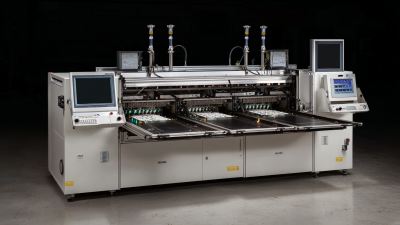
When choosing wave soldering equipment, understanding different types of machines is crucial. There are several variations, including inline, batch, and reflow systems. Each has unique features that cater to specific production needs. For instance, inline machines facilitate continuous production, making them ideal for high-volume runs. According to industry reports, inline machines can enhance productivity by up to 30%. However, they require significant floor space.
Batch soldering machines, on the other hand, are suitable for smaller production runs. These machines can be compact, allowing flexibility in placement. However, they may limit throughput compared to inline systems. A report from a leading manufacturing journal indicates that batch machines have a slower cycle time, which could impact larger operations.
Tips: Always consider the size of your production needs. If you work with large assemblies, a more robust inline system may be wise. Conversely, if your production fluctuates, smaller batch systems might save costs in the long run. Think about maintenance as well. Regular servicing is essential for all types of machines to ensure long-term performance. Remember to analyze your current and future needs, as changing trends in electronics could impact your choice. If necessary, seek expert advice to avoid costly mistakes.
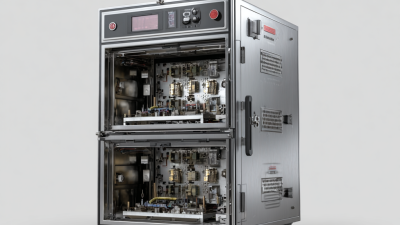
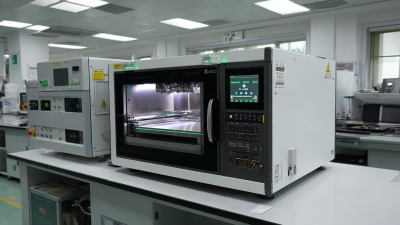
When selecting Wave Soldering Equipment, certain key features play a crucial role. Look for machines that ensure consistent heat distribution. Even heating is essential for quality solder joints. Inconsistent heat can lead to defects. Efficient temperature control systems are vital for optimal performance.
Check the capacity and speed of the equipment. High-quality Wave Solder Equipment should handle various board sizes and complexities. Speed matters. Faster machines can increase output but may sacrifice quality if not designed well. Understand your production needs before making a choice.
Consider ease of maintenance. Equipment that is difficult to maintain can lead to downtime. Look for features that enhance accessibility for cleaning and repairs. Many users overlook this aspect. Regular maintenance is critical to avoid costly production delays.
Lastly, always read user reviews. They can reveal insights about real-world performance that specifications might not show.
Process control is paramount in wave soldering. When using a Wave Soldering Machine, consistency is key. Temperature fluctuations can yield poor solder joints. A stable environment ensures quality. Regular calibration of equipment is essential. This reduces the risk of defects during production.
Monitoring is crucial in every step of wave soldering. Operators should track parameters like speed, temperature, and solder level. Failure to do so can lead to unreliable results. Each component needs precise control; otherwise, flaws may arise. An ideal soldering process should leave no room for ambiguity.
It’s important to regularly revisit the process. Mistakes can happen, and reflections on them are valuable. Analyzing past issues will improve future outcomes. Engaging in a feedback loop enhances the overall quality of the product. Each iteration brings one step closer to perfection.
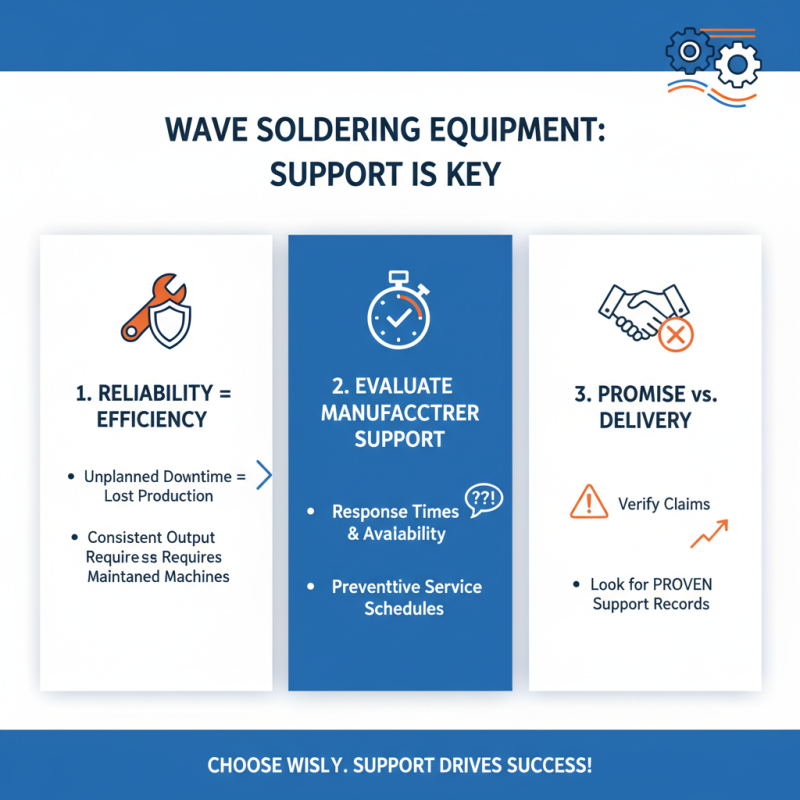
When choosing wave soldering equipment, maintenance and support services are crucial. The reliability of your equipment directly impacts production efficiency. It's essential to evaluate the level of support offered by the manufacturer. Ask questions about response times and service schedules. Some companies might promise quick service but fail to deliver.
Consider the availability of spare parts, too. Delays in obtaining parts can halt production. A company with a robust supply chain ensures you won't face prolonged downtimes. If local support isn't available, seek technical assistance through online platforms. This can sometimes lead to slower resolutions.
Don't overlook user training as part of support. An often neglected factor is the proficiency of your operators. Invest in training to minimize operator errors. Mistakes can lead to costly rework. Reflect on the balance between support quality and your specific needs. It’s an area where many manufacturers fall short.
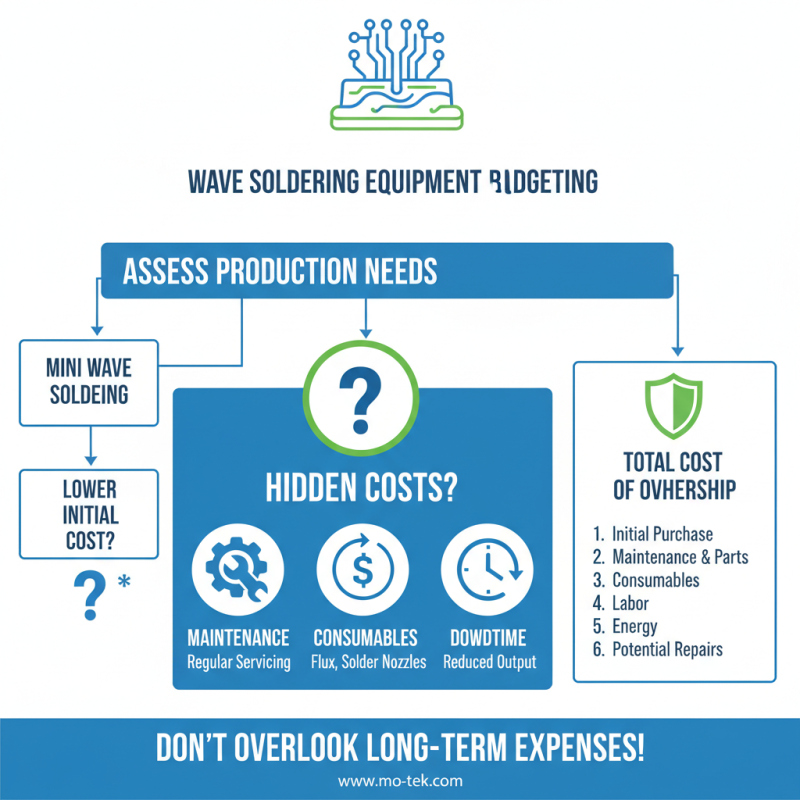
When budgeting for wave soldering equipment, it’s crucial to assess your production needs. A Mini Wave Soldering machine may appear cost-effective at first glance. However, hidden costs can add up quickly. Maintenance is often overlooked. Regular servicing will be necessary to ensure efficiency and longevity. Consider these potential expenses when planning your budget.
Training staff on new equipment is another factor that can strain funds. A Mini Wave Soldering machine may require specialized knowledge. Investing in proper training can prevent operational hiccups down the line. It's not just about the initial purchase. Every aspect of ownership must be evaluated.
Think about the materials and components you will use. Higher-quality materials may increase overall costs. However, they can lead to better performance and lower defect rates. Weigh the costs versus the long-term benefits. Reflect on how these decisions will impact your company’s bottom line. Proper analysis of your financial commitment is critical. It's all about finding the right balance.
Choosing the right wave soldering equipment involves careful sourcing. Reliable suppliers play a crucial role in this process. In the electronics manufacturing industry, over 70% of production issues stem from equipment quality. Therefore, finding a trustworthy supplier will help avoid costly errors.
When evaluating suppliers, consider their experience and feedback from previous clients. Industry reports indicate that equipment sourced from established suppliers typically shows a 20% increase in efficiency. Check for certifications that demonstrate compliance with industry standards. Transparency in pricing is also important. For instance, understanding the "Wave Soldering Machine Price" and the warranty options can help make informed decisions.
It’s not uncommon for newer companies to overlook crucial supplier details. Many find that low initial costs might lead to high maintenance fees later. Always ask for sample parts or demonstrations. This can reveal potential weaknesses in equipment performance. In some cases, the cheapest option may not be the most reliable. Balancing cost and quality is essential for long-term success in wave soldering applications.
: There are inline, batch, and reflow systems. Each serves different production needs.
Inline machines support continuous production and can boost productivity by up to 30%.
They may limit throughput and have a slower cycle time compared to inline systems.
Regular servicing is crucial for long-term performance and to avoid costly production delays.
Seek consistent heat distribution, efficient temperature control, and easy maintenance accessibility.
Over 70% of production issues arise from equipment quality. Trustworthy suppliers help avoid costly errors.
Established suppliers often show better efficiency and reliability as per industry reports.
Request sample parts or demonstrations to identify potential weaknesses before purchasing.
Low initial costs might lead to higher maintenance fees later, impacting your budget.
Analyze both current and future needs, as trends can shift production requirements over time.
When selecting Wave Soldering Equipment, several key factors must be considered to ensure optimal performance and efficiency. It is essential to understand the various types of wave soldering machines available in the market, as each type offers distinct advantages based on production needs. Additionally, high-quality wave soldering equipment should boast essential features such as reliable temperature control, adjustable wave profiles, and user-friendly interfaces, all of which contribute to effective process control.
Moreover, evaluating maintenance and support services is crucial for sustaining operational productivity. Budgeting and cost analysis further help in making informed decisions on sourcing wave soldering equipment from reputable suppliers, ensuring that organizations invest in reliable machinery that meets their specific requirements while also adhering to financial constraints. By carefully considering these aspects, businesses can enhance their soldering processes and achieve higher quality outputs.