inquiry
Leave Your Message
0%

In the rapidly changing world of electronics manufacturing, choosing the right Wave Soldering Equipment can really make a difference in terms of both productivity and quality. I read somewhere that almost 72% of manufacturers say that picking the right equipment is crucial for getting those perfect solder joints. With all the different complexities and demands out there, it’s no wonder companies feel torn between trying to be efficient and maintaining precision.

Honestly, it’s vital to think about things like how reliable the equipment is and what ongoing maintenance costs look like. A study by TechInsights pointed out that more than 30% of soldering failures actually come from equipment that’s not up to par. That usually translates to more downtime and delays which no one wants. It’s really about matching your specific needs with industry standards, so understanding the ins and outs of Wave Soldering Equipment can help you make smarter buying decisions.

Plus, a lot of folks tend to overlook how important operator training really is. Even the best machine won’t perform well if people aren’t properly trained on it—wasting resources and slowing down production. So, it’s not just about buying the equipment; it’s about setting everything up for success with well-trained operators and a solid system behind it all. Investing in the right wave soldering equipment is definitely more than just a purchase — it’s about grasping the entire process behind the scenes that leads to a smooth and successful manufacturing process.
How to Choose the Best Wave Soldering Equipment for Your Needs?

Understanding Wave Soldering: Basics and Benefits

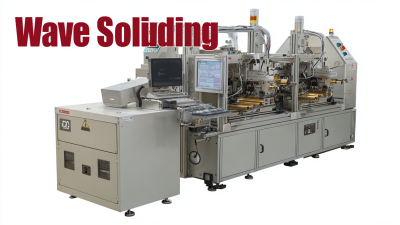
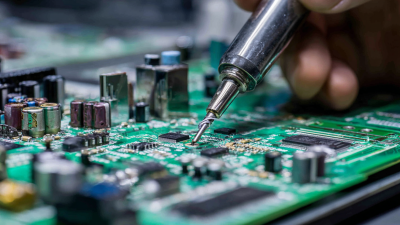
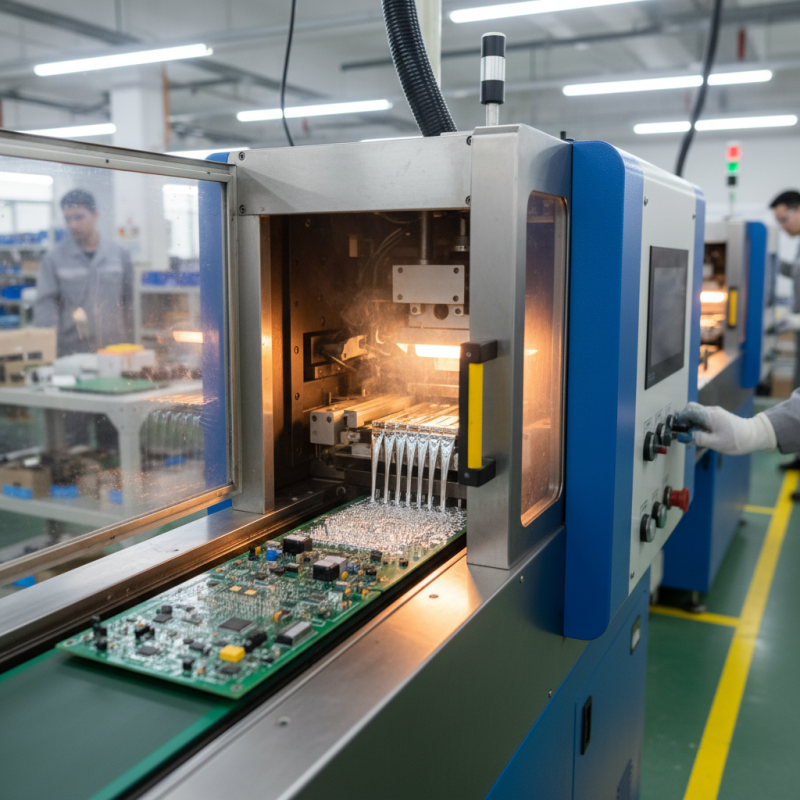
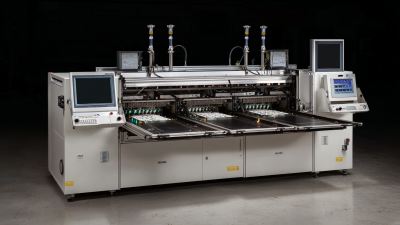
Wave soldering is a widely used process in electronics manufacturing. It involves creating a wave of molten solder and passing printed circuit boards (PCBs) over it. This method ensures reliable solder joints and is efficient for high-volume production. Understanding wave soldering is crucial for selecting the right Wave Solder Equipment.

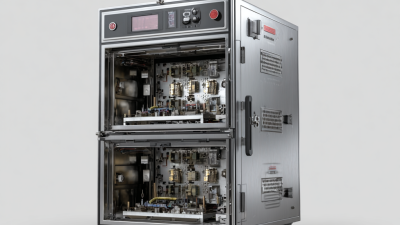
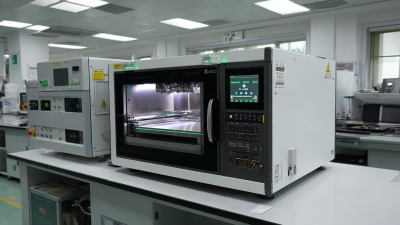
Choosing the best equipment requires knowing your specific needs. Consider your production volume and the types of components you use. Sometimes, equipment may not fully meet your requirements. It's essential to weigh the pros and cons of different setups. An effective Wave Soldering Machine should have adjustable parameters to cater to various PCB designs.

**Tips:** Regular maintenance is vital to keep your Wave Solder Equipment functioning optimally. Assess its performance periodically. Do not ignore discrepancies in solder quality.

Material compatibility is another factor. Not all solder types work well with every component. Testing different solder materials can help identify the best fit. Stay updated on advancements in wave soldering technology, as this field is constantly evolving.

**Tips:** Attend workshops and training sessions to better understand wave soldering. Knowledge is key to troubleshooting problems effectively. Stay curious and open to changes in techniques.

Key Factors to Consider Before Purchasing Wave Soldering Equipment

Choosing the right wave soldering equipment requires careful consideration of several critical factors. First, assess the specific needs of your production line. Different operations have unique requirements. A Wave Soldering Machine designed for high-volume applications may not suit smaller projects. Size matters. A compact machine might fit better in a limited workspace. However, it could also restrict your ability to handle larger PCBs.

Budget is another crucial point. Keep in mind the total cost of ownership. Don’t just focus on the initial purchase price. Maintenance and operational costs can add up over time. You might find a cheaper machine, but proving its reliability and efficiency will be vital for long-term savings.

Tips for selecting a wave soldering machine include evaluating the features that will benefit your workflow. Consider machines with adjustable settings for temperature and speed. These features provide flexibility for different solder types. Also, investigate the support and training provided by the manufacturer. Having access to knowledgeable support can smooth out the learning curve.

Don’t forget to review user feedback and look for common issues mentioned by others. Sometimes, a machine might look perfect on paper but doesn't perform well in reality. Take your time. Evaluating these factors can lead to a more informed choice, ultimately boosting your manufacturing efficiency.

How to Choose the Best Wave Soldering Equipment for Your Needs?

Factor Description Importance Level Typical Price Range
Size and Capacity Evaluates the board size and production volume the machine can handle. High $20,000 - $50,000
Temperature Control Precision in maintaining optimal temperature to prevent damage to components. High $15,000 - $40,000
Automation Level The extent to which the process can be automated to improve efficiency. Medium $10,000 - $30,000
Ease of Maintenance How easy it is to perform regular maintenance and repairs. Medium $5,000 - $15,000
Cost of Consumables Ongoing costs associated with solder, flux, and other materials. High $2 - $5 per board
Manufacturer Support Availability and quality of technical support and training from the manufacturer. High N/A

Types of Wave Soldering Equipment and Their Applications

How to Choose the Best Wave Soldering Equipment for Your Needs?

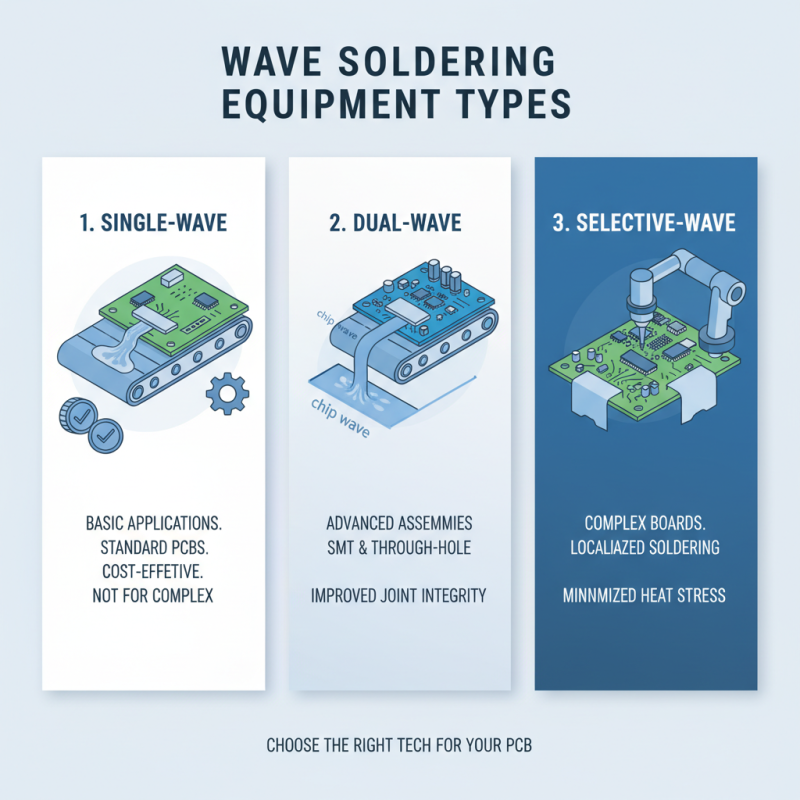
When selecting wave soldering equipment, it’s essential to understand the different types and their applications. There are mainly three types of wave soldering machines: single wave, dual wave, and selective wave. Single wave machines are suitable for basic applications. They work well for standard circuit boards and are cost-effective. However, they may not be ideal for complex assemblies.

Dual wave machines provide a combination of waves. This offers better soldering quality for various components. They are more versatile, making them suitable for medium to high-volume production. Selective wave soldering is specialized. It is perfect for more delicate components that require precision. This type minimizes thermal stress and can be more expensive.

Tips: Choose equipment based on your production needs. Consider your circuit complexity and volume. It's easy to overlook the importance of maintenance. Regular checks can prevent costly downtime. Always evaluate the equipment’s compatibility with your operations. Spending time on research can lead to better decisions.

Evaluating the Cost and Budget for Wave Soldering Solutions

When evaluating the cost and budget for wave soldering solutions, it is essential to consider various factors. Your production volume will decide the scale of your investment. Larger operations often require more expensive machinery. However, smaller establishments might explore options like Mini Wave Soldering equipment. This equipment typically costs less and takes up less space.

Budgeting is tricky. You want quality without overspending. It's easy to get swayed by appealing features and advanced technology. Yet, reflect on your actual needs. Are you producing complex circuit boards? Then, high-end machines make sense. If your work focuses on simpler tasks, a basic model may suffice. Often, companies overlook maintenance and operation costs. These can add significantly to your overall budget.

Research is crucial. Compare prices and functionalities across different models. Online platforms can provide insights. Yet, be cautious about reviews. Some might be biased. Cultivate a clear understanding of what you need now and what you might need in the future. Balancing initial costs with long-term investments is key to making the right choice.

Assessing the Manufacturer's Reputation and Support Services

How to Choose the Best Wave Soldering Equipment for Your Needs?

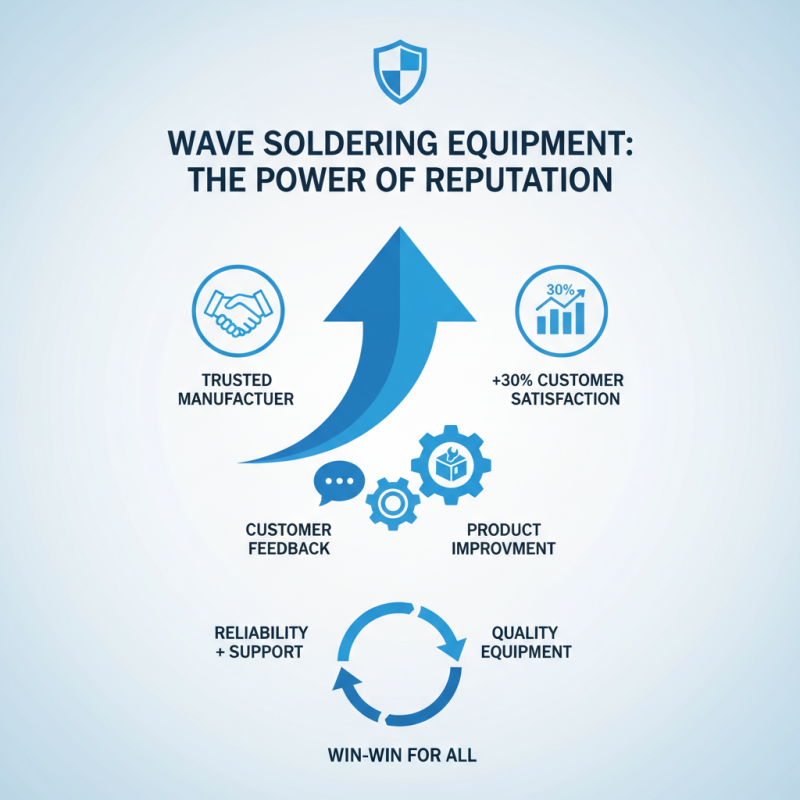
When selecting wave soldering equipment, the manufacturer's reputation plays a crucial role. A strong reputation often indicates reliability and quality. Recent industry data suggests that companies with established brands enjoy a 30% higher customer satisfaction rate. This satisfaction stems from reliable equipment and effective support services. Manufacturers that prioritize customer feedback tend to improve their products, creating a win-win situation.

Support services can make or break your experience. Comprehensive support includes training and maintenance options. A study by the IPC found that companies with dedicated support teams experience 25% fewer production delays. Investing in equipment backed by superior support often pays off long-term. Without adequate support, issues may lead to increased downtime and lost revenue.

Evaluate reviews and case studies before making a decision. Look for testimonials about support response times and troubleshooting efficiency. Gather insights from experienced users. It’s essential to reflect on these factors, as they reveal potential shortcomings in your options. A well-informed choice can significantly enhance operational efficiency.

Maintenance and Upgrades: Ensuring Longevity of Your Equipment

Regular maintenance of wave soldering equipment is vital for smooth operation. In fact, studies show that well-maintained machines can last 30% longer than those neglected. Filtration systems must be cleaned to prevent contamination. Regular inspections for leaks and wear can save significant costs. A good practice is to schedule preventive maintenance every six months.


Upgrades are equally important. Technology evolves and new features enhance performance. Investing in upgrades can reduce production costs. For instance, modern wave soldering systems offer faster production times. Reports indicate an increase in efficiency by up to 20%. However, it’s crucial to evaluate the "Wave Soldering Machine Price" before making any upgrades. Balancing cost with performance benefits can be challenging.


Reflection on processes is essential. Many manufacturers overlook simple fixes that improve efficiency. Routine checks can reveal minor issues that lead to major downtime. Equipment can become outdated, making it necessary to assess if an upgrade is worth the cost. Finding the right balance between maintenance and innovation is key to longevity in production.

Future Trends in Wave Soldering Technology and Innovations

Wave soldering technology is evolving. Innovations in this field are addressing faster production and reliability. New equipment features automated systems. These systems improve accuracy and reduce human error. Enhanced temperature controls are also appearing. These advancements lead to better solder quality and fewer defects.

Recent trends focus on eco-friendly materials. Manufacturers are exploring new alloys that meet environmental standards. This is a response to increasing regulatory pressures. Additionally, digital monitoring systems are becoming standard. They provide real-time data for process adjustments. This can sometimes lead to information overload, though. Operators may struggle to interpret this data effectively.

As technology advances, user training becomes crucial. Staff must adapt to new systems and processes. Failure to do so can result in wasted resources. Regular feedback loops can help identify problems. However, balancing procedures with adaptability is a challenge. Being open to change will ultimately benefit your production line.

FAQS

: What should I consider before starting a new exercise routine?

: Think about your current fitness level and health conditions. Set realistic goals.

How can I stay motivated to stick with my plan?

Find activities you enjoy. Tracking your progress can help. Celebrate small wins.

What if I miss a workout session?

It’s okay to miss a session. Don’t dwell on it. Focus on getting back on track.

Is it important to warm up before exercising?

Yes, warming up prevents injuries. It prepares your body for the workout.

How often should I change my workout routine?

Changing your routine every few weeks can keep things fresh. Stale routines can lead to boredom.

What if I feel pain during exercise?

Stop immediately if you feel pain. Pain can indicate an injury. Consult a professional if necessary.

Can I exercise at home?

Yes, home workouts can be effective. Use bodyweight or minimal equipment for variety.

How do I recover after a tough workout?

Rest and hydrate. Adequate sleep is essential for recovery. Listen to your body.

Is nutrition important for fitness?

Absolutely, nutrition fuels your workouts. Balanced meals support recovery and performance.

What should I do if I hit a plateau?

Reassess your routine. Introduce new exercises or increase intensity. Plateaus can be frustrating, but they can be overcome.

Conclusion

When selecting the best Wave Soldering Equipment for your specific needs, it’s crucial to understand the fundamentals of wave soldering, including its various benefits, such as enhanced efficiency and improved solder quality. Before making a purchase, key factors such as the type of equipment available, the intended application, cost, and budget must be thoroughly evaluated. Additionally, it’s important to assess the manufacturer's reputation and support services to ensure reliable assistance post-purchase.

In considering Wave Soldering Equipment, don't overlook the significance of maintenance and potential upgrades, which are essential for maintaining the longevity and performance of your equipment. Staying informed about future trends and innovations in wave soldering technology can also provide insights that may impact your decision. By carefully analyzing these aspects, you can make an informed choice that aligns with your operational requirements and budgetary constraints.
Liam

Liam

Liam is a dedicated marketing professional at Shenzhen Moeller Electromechanical Equipment Co., Ltd., where he leverages his extensive knowledge of the company’s products to drive engagement and increase brand visibility. With a strong focus on innovation and customer satisfaction, Liam plays a......
Previous Mastering Smt Oven Reflow: A Comprehensive Guide for Global Buyers