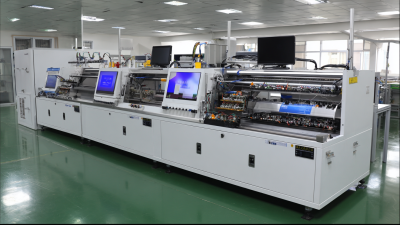
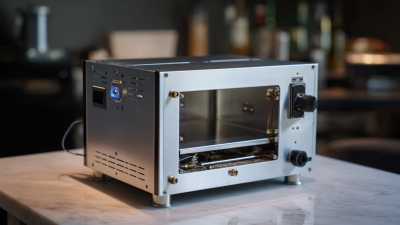
In today’s super competitive world of electronics manufacturing, making sure your PCB assembly is both efficient and reliable is kind of a big deal. And one of the main players in making that happen is the Reflow Machine. Honestly, it’s pretty much essential for getting those solder joints just right and keeping connections solid on printed circuit boards. John Smith, who’s a top expert in PCB manufacturing and CTO at Advanced Electronics Solutions, put it simply: “How well a Reflow Machine performs can really make or break your assembly line. It’s a huge factor in both quality and how fast you can produce.”
Adding a Reflow Machine into your PCB process doesn’t just boost productivity—it brings a bunch of other important perks too. From better temperature control to more reliable solder joints, these machines are built to keep up with the ever-changing needs of modern electronics design. As we go through the top ten benefits of using a Reflow Machine, you’ll see how it can really change the game—cutting costs, improving quality, and making your entire assembly process smoother and more efficient.

Understanding the Reflow Process: Key Components and Their Function
The reflow process is a critical step in PCB assemblythat ensures reliable electronic circuits. This process primarily involves heating a solder paste that has been applied to the PCB, causing it to melt and form strong connections between the components and the substrate. Key components of the reflow process include the Reflow Oven, which uses a combination of convection, conduction, and radiation to achieve precise temperature profiles, essential for different types of solder materials. According to IPC-7525A standards, maintaining optimal temperatures can affect the integrity of solder joints and overall board performance, which is vital in achieving high-quality assemblies.

Additionally, temperature management is essential during the reflow process. Studies indicated that a temperature gradient can significantly influence solder joint quality, with variations as small as 10°C potentially leading to defects such as tombstoning or insufficient wetting. Industry reports suggest that a well-controlled reflow process can improve yield rates by up to 30%, emphasizing the importance of using advanced reflow machines equipped with precise thermal profiling capabilities. By understanding the role of each component in the reflow oven and maintaining stringent quality control, manufacturers can enhance their PCB assembly success and reduce costs associated with defective products.
Enhancing Production Efficiency with a Reflow Machine
The integration of a reflow machine in PCB assembly plays a crucial role in enhancing production efficiency. As per a recent report from Allied Market Research, the global market for PCB assembly is projected to reach $85.72 billion by 2027, largely driven by advancements in manufacturing technologies, including reflow soldering processes. This method allows for precise temperature control, ensuring that solder paste melts uniformly, thereby reducing defects and improving yield rates. Companies utilizing reflow machines have reported a significant decrease in rework time, with some noting reductions by as much as 30%, ultimately leading to faster turnaround times.
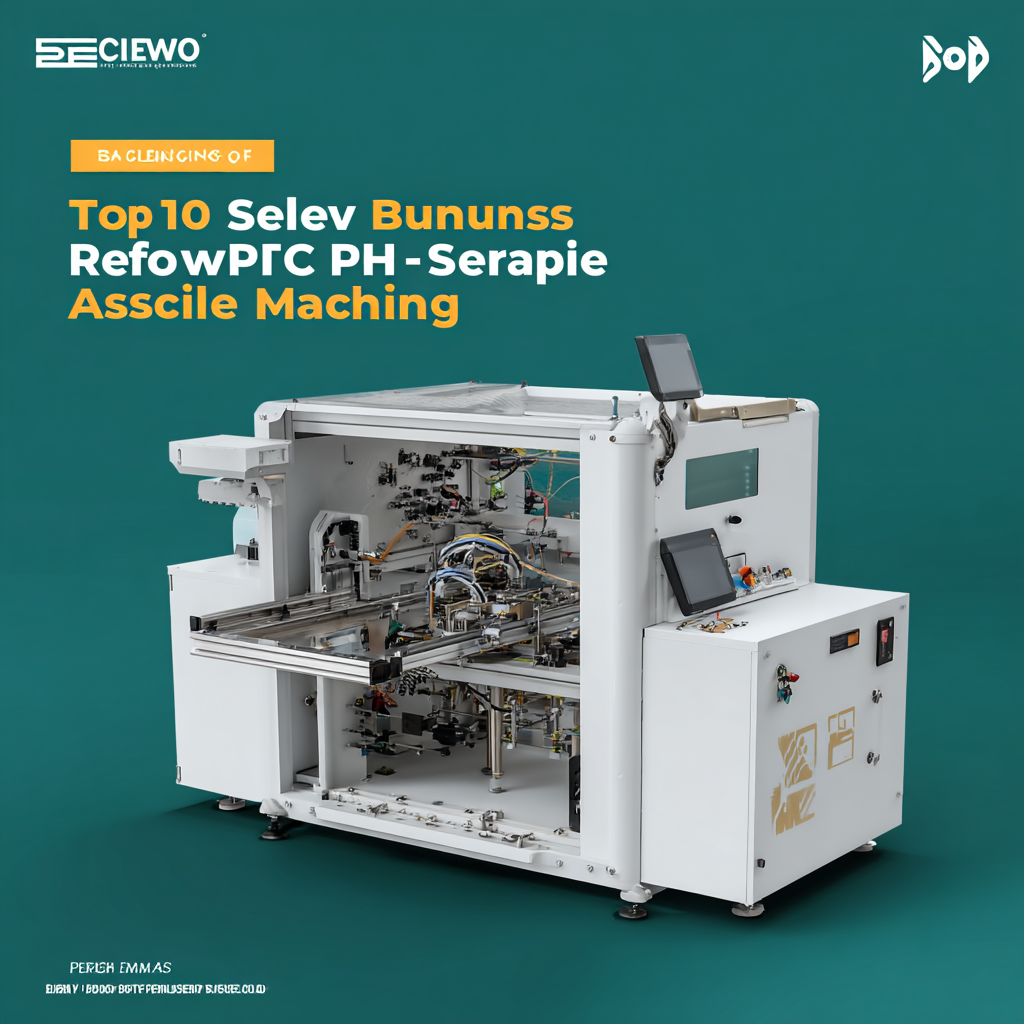
Moreover, the ability of reflow machines to handle a range of component types, including surface mount devices (SMDs), positions them as essential tools in modern electronics manufacturing. The IPC-A-610 standard highlights that efficient thermal profiles achieved during reflow can lead to improved micro joint reliability and longevity of electronic components. Furthermore, organizations employing advanced reflow machines can achieve a production increase of up to 50%, enabling them to meet growing demand without compromising quality. Emphasizing the efficiency gains and higher throughput, it's evident that reflow machines are a strategic investment for any PCB assembly operation aiming for success in the competitive electronics market.
Improving Quality Control in PCB Assembly through Reflow Techniques
Reflow soldering is a pivotal technique in PCB assembly, significantly enhancing quality control processes. As industry reports indicate, nearly 60% of PCB defects arise from improper soldering techniques, leading to costly failures and reworks. Utilizing a reflow machine can mitigate these issues by ensuring consistent solder joint quality and accuracy. The precise control over temperature profiles during the reflow process is vital for achieving optimal soldering, thus improving the reliability of electronic devices.
When implementing reflow techniques, it's essential to regularly monitor and adjust parameters for maximum efficiency. Here are a few tips: First, ensure that the thermocouples used in the reflow machine are calibrated correctly to get accurate temperature readings. Second, bear in mind that a well-defined temperature ramp-up is crucial; it helps in avoiding thermal shock and ensures even heating across all components. Finally, regular maintenance of the reflow machine can prevent unexpected breakdowns, keeping production on schedule and ensuring high-quality outputs.
Investing in a modern reflow machine not only streamlines the soldering process but also enhances overall product reliability. According to data from IPC, companies that adopted advanced reflow techniques reported a 30% reduction in defects, showcasing the potential benefits of integrating these practices into regular manufacturing workflows. By focusing on quality control through optimized reflow processes, PCB manufacturers can achieve greater efficiency and product satisfaction.
Cost-Effectiveness: Saving Time and Resources in the Long Run
Utilizing a reflow machine in PCB assembly can significantly enhance cost-effectiveness by saving both time and resources. In a competitive market, every second counts, and a reflow machine streamlines the soldering process, ensuring precision and consistency. This automation reduces the likelihood of human error, speeds up production times, and ultimately leads to higher throughput. By investing in advanced reflow technology, companies can experience reduced operational costs and faster turnaround times, which can be critical for meeting tight deadlines.
Morel Equipments Co., Limited, with over 15 years of experience in the surface mount technology (SMT) industry, understands the importance of cost-effective solutions. As a one-stop provider, Morel offers not only reflow machines but also a range of equipment including Pick And Place Machines, automatic soldering robots, and testing solutions. By integrating these advanced tools within the assembly line, manufacturers can achieve seamless operations, optimize resource allocation, and realize long-term savings, reinforcing the value of investing in high-quality PCB assembly technologies.
Top 10 Benefits of Using a Reflow Machine for PCB Assembly Success
| Benefit | Description | Cost Savings (%) | Time Savings (%) |
| Increased Efficiency | Streamlined soldering process reduces cycle time. | 20% | 30% |
| High Quality | Consistent heat distribution ensures reliable solder joints. | 15% | 10% |
| Reduced Waste | Less rework leads to lower material waste. | 25% | 15% |
| Versatility | Can handle a variety of PCB types and sizes. | 10% | 5% |
| Automation | Reduces labor costs through automated processes. | 30% | 20% |
| Quick Prototyping | Accelerates development and testing of prototypes. | 20% | 25% |
| Improved Heat Control | Precise temperature profiles prevent damage to components. | 15% | 10% |
| Scalability | Easily increases production capacity as needed. | 10% | 15% |
| Enhanced Reliability | Longer lasting and more reliable final products. | 20% | 15% |
| Lower Operating Costs | Efficient use of resources reduces operational expenses. | 25% | 20% |
Versatility of Reflow Machines: Accommodating Different PCB Designs
Reflow machines have become essential tools in the PCB assembly process, offering unparalleled versatility that accommodates a wide range of PCB designs. Their ability to handle various soldering profiles makes them indispensable for manufacturers who require precision and flexibility. According to a market analysis by ResearchAndMarkets, the global reflow oven market is projected to grow significantly, reflecting the increasing demand for advanced electronics and the necessity for efficient production lines.
Morel Equipments Co., Limited, leveraging over 15 years of experience in the surface mount technology (SMT) industry, stands out as a one-stop solution provider. The company's range of products, including pick and place machines and automatic soldering robots, complements the functionality of reflow machines. The integration of these technologies not only enhances production efficiency but also accommodates complex PCB designs, enabling manufacturers to adapt to evolving market needs without sacrificing quality.
As PCB designs become more intricate, the versatility of reflow machines allows for optimized thermal profiles, ensuring that different components are soldered correctly regardless of their size or material. This adaptability leads to reduced production times and lower defect rates, making them a crucial asset for companies aiming for high-quality assembly in today’s competitive landscape.
Top 10 Benefits of Using a Reflow Machine for PCB Assembly Success
Reducing Defects and Failures: How Reflow Machines Ensure Reliability
Reflow soldering has become a fundamental process in PCB assembly, playing a crucial role in enhancing the reliability of electronic devices. According to a report by IPC, the global trade association for the electronics industry, defects during PCB assembly can rise to as high as 20%, significantly affecting product performance and lifespan. Utilizing a reflow machine minimizes these defects by ensuring uniform heat distribution, which is critical for achieving strong solder joints. Precision is paramount; a study published by the Journal of Electronic Manufacturing highlights that proper thermal profiles established by reflow machines reduce the likelihood of cold solder joints by 50%.
Moreover, reflow machines facilitate the use of lead-free solder, which is aligned with environmental regulations but can be challenging due to its higher melting temperatures. A comprehensive analysis by SMTA (Surface Mount Technology Association) suggests that reflow ovens equipped with advanced temperature control features can maintain tighter tolerances, further enhancing joint reliability. This technology not only minimizes thermal stress on sensitive components but also drastically reduces the risk of defects such as bridging or tombstoning, with reported failure rates dropping by up to 30%. By leveraging the capabilities of reflow machines, manufacturers can significantly improve both quality and reliability in PCB assembly processes.
Enhancing Electronics Manufacturing Efficiency with the PCB Surface Cleaning Machine SMM-450
In today's competitive electronics manufacturing landscape, ensuring optimal production efficiency is paramount. The PCB Surface Cleaning Machine SMM-450 emerges as a game-changer, addressing key challenges faced by manufacturers. A primary issue often stemming from dust accumulation, the SMM-450 enhances product quality by eliminating contaminants that lead to abnormal outputs. By tackling residual static electricity, it minimizes the risk of producing unqualified products, thereby setting a new standard for quality assurance.
Moreover, the SMM-450 significantly boosts overall manufacturing efficiency. The machine not only improves printing quality but also increases the SPI (Solder Paste Inspection) pass-through rate and AOI (Automated Optical Inspection) pass-through rate. This enhancement paves the way for reduced labor costs and lower expenditure on repaired materials, as the frequency of equipment downtime is curtailed. By streamlining processes and improving inspection rates, manufacturers can allocate their resources more effectively.
The reduction of churn rates is another critical benefit of the SMM-450. Frequent repairs can lead to technician fatigue, increasing the likelihood of mistakes and environmental stress. With a machine that addresses these issues proactively, the stress associated with constant SPI and AOI alarms is alleviated, fostering a more productive and harmonious workplace. The SMM-450 not only represents a technological advancement but also promotes a healthier working environment, ultimately driving the future of electronics manufacturing efficiency.
FAQS
: A reflow machine enhances production efficiency by enabling precise temperature control, ensuring uniform melting of solder paste, which reduces defects and improves yield rates.
Companies that utilize reflow machines report a significant decrease in rework time, with reductions noted by as much as 30%, leading to faster turnaround times.
Yes, reflow machines are capable of handling various component types, including surface mount devices (SMDs), making them essential tools in electronics manufacturing.
Organizations employing advanced reflow machines can achieve a production increase of up to 50%, allowing them to meet growing demand without compromising quality.
Reflow machines minimize defects by ensuring uniform heat distribution, which is critical for achieving strong solder joints and reducing issues like cold solder joints by 50%.
Yes, reflow machines facilitate the use of lead-free solder, which is environmentally friendly but requires higher melting temperatures; advanced temperature control features help maintain tighter tolerances.
The versatility of reflow machines allows for optimized thermal profiles that ensure all components are soldered correctly, regardless of their size or material.
The global reflow oven market is projected to grow significantly due to the increasing demand for advanced electronics and efficient production lines.
By leveraging reflow machines, manufacturers can reduce production times and lower defect rates, making them crucial for achieving high-quality assembly in a competitive market.
The IPC-A-610 standard emphasizes that efficient thermal profiles achieved during reflow lead to improved micro joint reliability and the longevity of electronic components.
Conclusion
The article "Top 10 Benefits of Using a Reflow Machine for PCB Assembly Success" highlights the vital role of reflow machines in enhancing the efficiency and quality of PCB assembly. It begins by detailing the reflow process, where key components work in harmony to achieve optimal soldering results. By improving production efficiency and implementing effective quality control measures, reflow machines significantly reduce defects and failures, ensuring reliable performance in electronic devices.
Moreover, the versatility of reflow machines allows them to accommodate various PCB designs, making them an indispensable asset in modern assembly lines. The cost-effectiveness of these machines not only saves time but also conserves resources in the long run. Morel Equipments Co., Limited, with over 15 years of experience in the SMT industry, exemplifies the benefits of investing in advanced equipment like reflow machines, thereby providing a comprehensive solution for manufacturers aiming for success in PCB assembly.