inquiry
Leave Your Message
0%

When you're trying to pick the right Pcb Ovenfor your electronics projects, hearing what experts have to say really helps. I remember John Smith, a seasoned pro in the PCB game, once telling me, "A good Pcb Oven can totally make or break the quality of your production." Honestly, with so many options out there, choosing the perfect oven can feel pretty overwhelming at first.

Getting the right PCB oven is key because it affects how precise and reliable your soldering turns out. Not every oven is a one-size-fits-all deal — some might not heat evenly, which can lead to problems, especially on delicate components. You definitely don’t want uneven heating messing up your solder joints.

Investing in a good quality oven really pays off in the long run. But on the flip side, picking the wrong one can end up wasting your time and money. It’s super important to think about what you really need — stuff like size, temperature control, and how efficient it is. In the end, finding the right PCB oven can really boost your overall production quality.
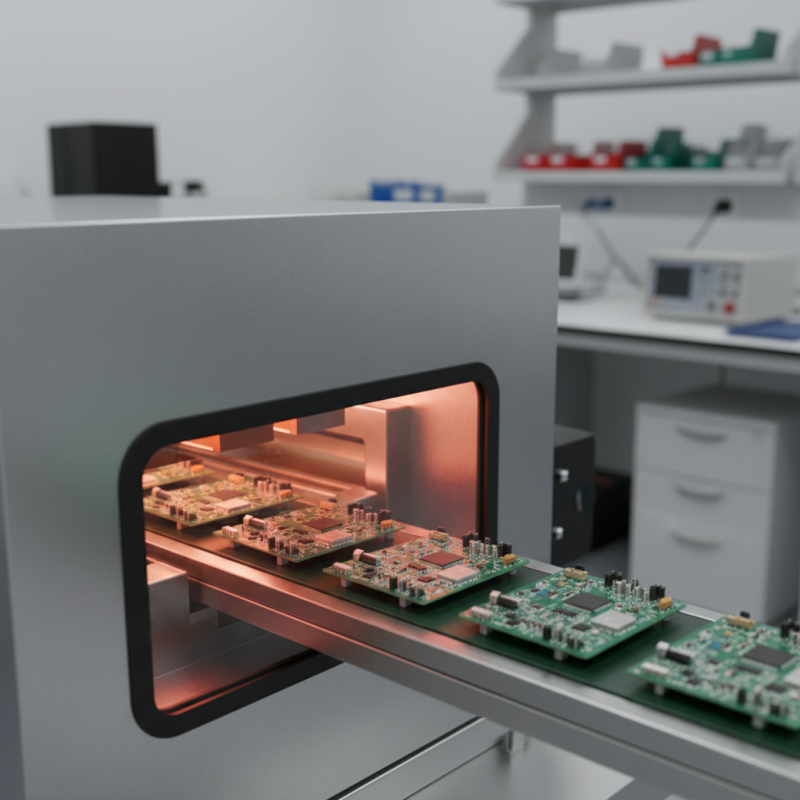
What is the Best PCB Oven for Your Electronics Needs?

Understanding PCB Ovens and Their Importance in Electronics Manufacturing

In electronics manufacturing, PCB ovens play a critical role. These ovens are essential for soldering components to printed circuit boards. The right temperature and timing ensure effective soldering, preventing damage to sensitive components. Without a proper PCB oven, the quality of your electronics may suffer.

Choosing the best PCB oven can be challenging. Look for features like adjustable temperature controls and even heat distribution. If the oven doesn't heat evenly, you may face issues with soldering. Consistent quality in the final product is paramount.

Tips: Consider the size of your PCB. A large board may require a bigger oven. Also, think about your workflow. An oven with a quick recovery time can save you valuable production time. Regularly check calibration to avoid costly mistakes. Small inconsistencies can lead to failures. It's crucial to learn from each production run to continuously improve.

Key Features to Consider When Selecting a PCB Oven

When selecting a PCB oven, key features are crucial for optimal performance. Temperature uniformity is one of the most important. Studies show that 70% of soldering issues arise from uneven heat distribution. A quality Pcb Reflow Oven should maintain consistent temperatures across all zones. This ensures reliable solder connections and minimizes defects.

Another vital aspect is control features. Look for ovens with programmable profiles that allow for precise adjustments. According to industry data, users report a 30% increase in production efficiency with advanced control settings. These profiles help in achieving the right thermal cycling, critical for various solder materials.

Lastly, consider the size and footprint of the oven. A compact design may save space but can limit batch sizes. A mismatch can lead to workflow inefficiencies. Many facilities find themselves constantly adapting to the limitations of their equipment. Balancing space and capacity is essential for maintaining a smooth operation.

Types of PCB Ovens: Infrared, Convection, and Vapor Phase

What is the Best PCB Oven for Your Electronics Needs?

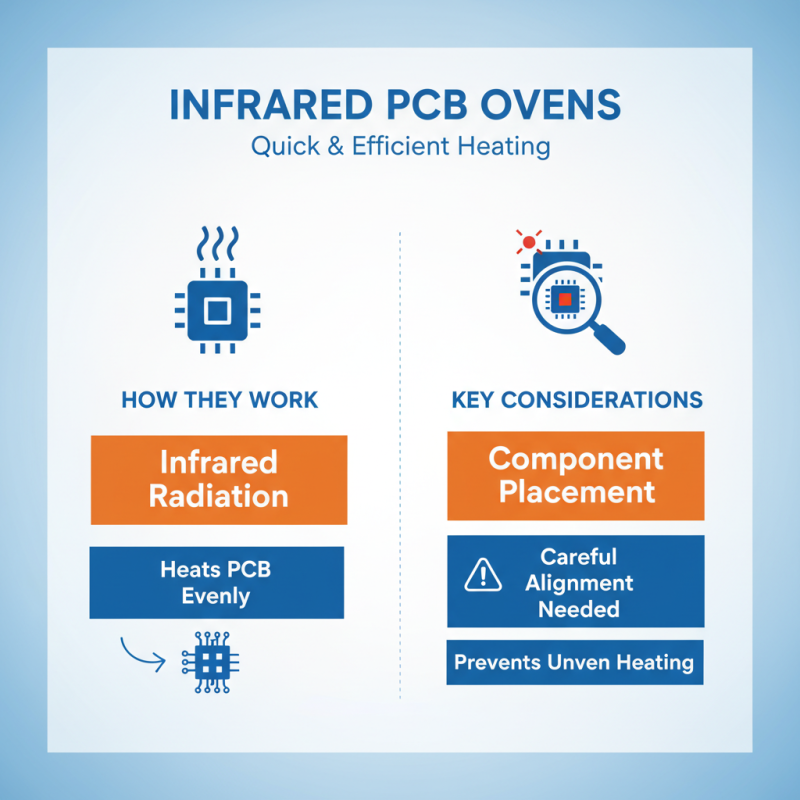
When choosing a PCB oven, consider the different types available. Infrared ovens deliver quick and efficient heating. They use infrared radiation to warm the PCB evenly. This method can be very effective but may require careful placement of components. A slight miscalculation can lead to uneven heating.

Convection ovens are another excellent option for PCB drying. They circulate hot air around the components. This ensures consistent temperature throughout the chamber. Vapor phase ovens offer a unique approach as well. They use vaporized liquid to create a blanket of heat. This method is particularly useful for delicate components. However, the price point can be a concern for many users.

Ultimately, the choice depends on your specific needs. The efficiency and reliability of each type differ significantly. Spending time researching each can feel overwhelming. But understanding your requirements is vital. Without proper research, you might end up choosing the wrong Pcb Drying Oven. Each type has its benefits and drawbacks. Take the time to reflect on what your projects demand.

Comparative Analysis of Top PCB Oven Brands and Models

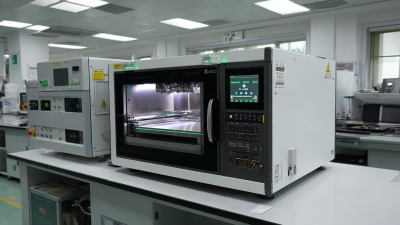
When choosing a PCB oven for electronics production, understanding the options is vital. A range of Smt Reflow Ovens offer varying features. Some models utilize convection heating, while others employ infrared technology. The choice can be influenced by your workflow and PCB designs.

Analyzing different ovens highlights strengths and weaknesses. Some models have better temperature uniformity, ensuring consistent results. Others may struggle with larger boards. Ease of use is another factor. Some ovens come with advanced interfaces and preset profiles, while others can be challenging to program.

Reflection on your specific needs is essential. Do you prioritize speed over precision? Is your production volume high? These questions shape your decision. Consider the oven's footprint as well. Some units occupy more space than expected. Prioritize a balance between functionality and practicality to meet your unique electronics needs.

Cost Considerations: Budgeting for Your PCB Oven Purchase

When budgeting for a PCB oven, it is essential to consider both cost and quality. A basic unit can start around $1000, while high-end models might exceed $5000. According to industry reports, these investments can significantly impact production efficiency. For small-scale operations, a mid-range oven priced around $2000 often balances performance and budget. However, cheaper options may compromise uniform heating, leading to failed solder joints.

Consider the energy consumption too. High-efficiency ovens might have a higher upfront cost but save money in the long run. Reports suggest energy-efficient ovens can reduce operational costs by up to 30%. It’s important to analyze the total cost of ownership. Hidden expenses, like maintenance and replacement parts, can add up quickly. Many users underestimate these costs.

Above all, reflect on your specific needs. Is high volume required? Or are you focusing on prototypes and designs? Matching your PCB oven choice to actual usage can prevent unnecessary spending. Research and reflection are your allies. Don't settle for a one-size-fits-all solution. Each decision shapes your production quality and, ultimately, your bottom line.

Maintenance and Care Tips for Longevity of PCB Ovens

Maintaining a PCB oven is essential for ensuring longevity and efficiency. A well-maintained oven can improve the reliability of your electronic components. According to a recent industry report, approximately 30% of PCB failures stem from improper reflow processes. Neglecting your equipment can lead to performance issues over time.

Cleaning your PCB oven regularly is crucial. Use a soft cloth and non-abrasive cleaner to wipe down surfaces. Pay attention to the heating elements; residue can build up and affect temperature control. In fact, 15% of technical failures relate directly to poor maintenance practices. Regular inspections are also vital. Check for signs of wear or damage, such as uneven heating or inconsistent temperature settings.

Temperature calibration cannot be overlooked. It ensures that your oven heats accurately. Inconsistent temperatures can ruin components. An estimated 25% of production losses are linked to temperature discrepancies. Consider investing in a thermocouple to monitor performance closely. This small step can save significant time and resources in the long run. Ultimately, a proactive approach in caring for your PCB oven can enhance both its lifespan and your production quality.

User Reviews and Real-World Applications of PCB Ovens

Choosing the right PCB oven is crucial for electronics manufacturing. User reviews indicate that efficiency and precision are top priorities. Many professionals share their experiences using various models in real-world applications. This feedback helps identify which features matter most.

A recent industry report highlighted that 80% of users prefer Smd Reflow Oven s that maintain consistent temperature profiles. Stability is vital during soldering processes. Inconsistent heating can lead to defects, such as cold solder joints. Additionally, around 30% of users reported issues with poorly designed airflow systems. This can result in uneven heating and increase the risk of component damage.

Real-world applications vary significantly. For instance, hobbyists may seek affordable options for small projects. Meanwhile, larger manufacturing operations often demand advanced ovens with programmable settings. However, some professionals note that they invested in high-end models only to find out they needed simpler functionalities.

Reflection on these decisions can lead to better choices in the future. Users must weigh their specific needs against the capabilities of different PCB ovens, ensuring they select the best fit for their projects.

FAQS

: What is the main purpose of the service?

: The service aims to provide essential information and support to users. It focuses on clear communication.

How do I access the service?

Accessing the service is easy. You just need to visit the website or use the app.

Are there any fees associated with the service?

Some features may have fees, while others are free. Check the details on the platform.

Can I rely on the information provided?

While the information is mostly accurate, it's wise to verify critical details independently.

What should I do if I encounter issues?

If you face problems, consider contacting customer support for assistance. They can help resolve issues.

Is there a mobile version available?

Yes, the service has a mobile-friendly interface. You can use it on your smartphone easily.

How often is the information updated?

The information is updated regularly, but not in real-time. Check back often for the latest updates.

Are there limitations to the service?

There may be limitations in coverage or features. It's important to be aware of these aspects.

Can I give feedback about the service?

Yes, user feedback is valuable. You can submit your thoughts through the designated feedback section.

Is the service available globally?

The service is available in many regions, but not universally. Availability may vary based on your location.

Conclusion

Understanding the significance of a PCB oven in electronics manufacturing is crucial for achieving high-quality results. A PCB oven ensures precise temperature control during the soldering process, which is essential for effective component bonding. When selecting a PCB oven, it's important to consider key features such as heating method, size, and energy efficiency. There are various types of PCB ovens available, including infrared, convection, and vapor phase ovens, each with its unique advantages tailored to specific manufacturing needs.

Cost considerations are also vital in budgeting for a PCB oven purchase, as prices can vary widely based on features and capabilities. To maximize the lifespan and efficiency of your PCB oven, regular maintenance and care are necessary. Finally, exploring user reviews can provide valuable insights into real-world applications, helping you make an informed decision that best suits your electronics needs.
Clara

Clara

Clara is a dedicated marketing professional at Shenzhen Moore Electromechanical Equipment Co., Ltd., where she leverages her extensive industry knowledge to elevate the company’s brand presence. With a strong academic background and a passion for technology, Clara possesses a deep understanding of......
Previous Mastering Smt Oven Reflow: A Comprehensive Guide for Global Buyers