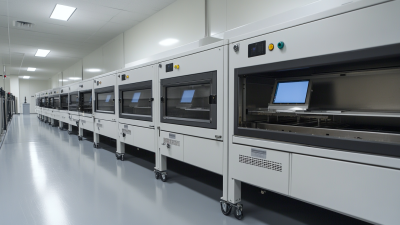
In today's super fast-paced world of electronics manufacturing, making sure your Pick And Place Machine runs smoothly and efficiently is more important than ever. It's a key part of staying competitive and meeting the growing demand for top-notch assemblies. Industry insiders say that by using these machines effectively, you can speed up your production by up to 50%, all while cutting down on mistakes and waste. At MOREL EQUIPMENTS CO., LIMITED, we've been around for over 15 years, and we've seen how we've grown from just supplying accessories to becoming a full-on solution partner.
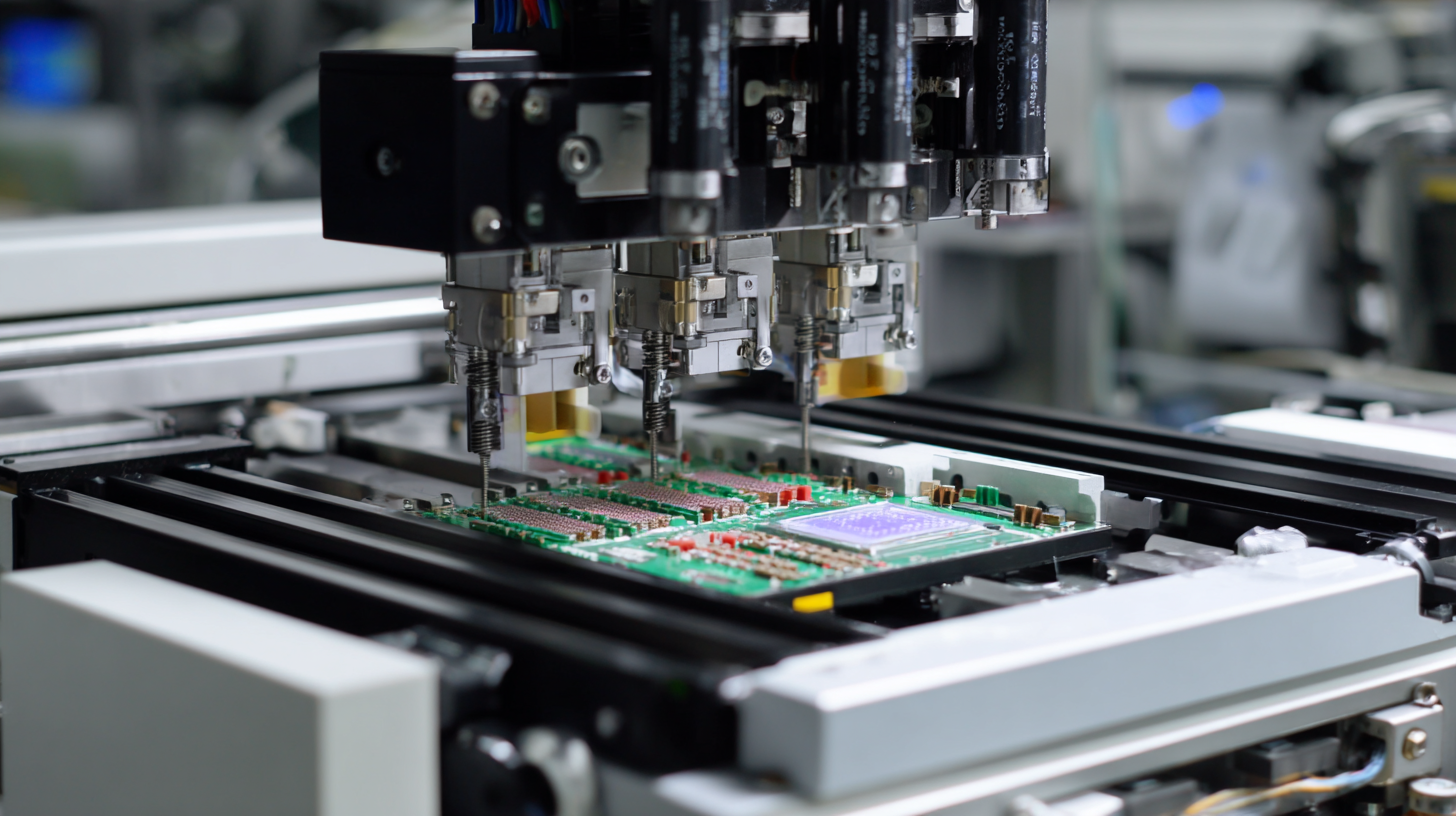
Our expertise isn’t just about hardware — we also share insights on how to best integrate Pick And Place Machines with other tech like automatic soldering robots and testing equipment. This blog is kind of like your go-to guide, offering a handy checklist to help manufacturers streamline their processes and get the most out of their Pick And Place Machines. The goal? To help you boost efficiency, ensure reliability, and maintain high quality across your production line.
Key Factors Influencing Pick And Place Machine Efficiency
If you wanna get the most out of your pick and place machines, there are a few key things to keep in mind. First off, speed really matters. Just recently, industry reports showed that newer machines are now over 30% faster, so they can handle high-volume production lines much more quickly. For companies like Morel Equipments Co., Limited—which has been around for over 15 years in the SMT game—picking machines with the latest tech can seriously cut down cycle times and boost overall productivity.
Then there's precision. It’s pretty impressive that today’s pick and place machines are hitting around 99.9% accuracy. That level of precision is crucial to keep quality in check across all those batches. Thanks to advanced vision systems and AI algorithms, these machines aren’t just more accurate—they can also make real-time tweaks during operation. That means less waste, fewer reworks, and smoother workflows.
Morel, for example, offers high-tech automated solutions like their pick and place units and soldering robots, showing that the industry is all about blending quality with efficiency.
And don’t forget about maintenance. Regular check-ups and upgrades are a must. Staying on top of servicing can really prevent unexpected breakdowns, which can turn into costly downtime. Industry stats even suggest that proactive maintenance can bump up operational time by over 20%. Companies that use comprehensive service packages—like what Morel provides—can keep their machines running at peak performance, leading to better productivity and, ultimately, more profits in this tough market.
Common Challenges in Pick And Place Operations and Solutions
In the fast-paced world of manufacturing, fine-tuning your pick-and-place operations can really make a difference. But, let's be honest, there are some pretty common issues that can throw a wrench in your efficiency and productivity. One of the biggest culprits is misaligned components – which, believe me, can lead to longer cycle times and even cause extra wear and tear on your machines. The trick? Keeping your pick-and-place machine properly calibrated. Make it a routine to check and align your system; staying on top of this stuff keeps everything running smoothly and accurately.
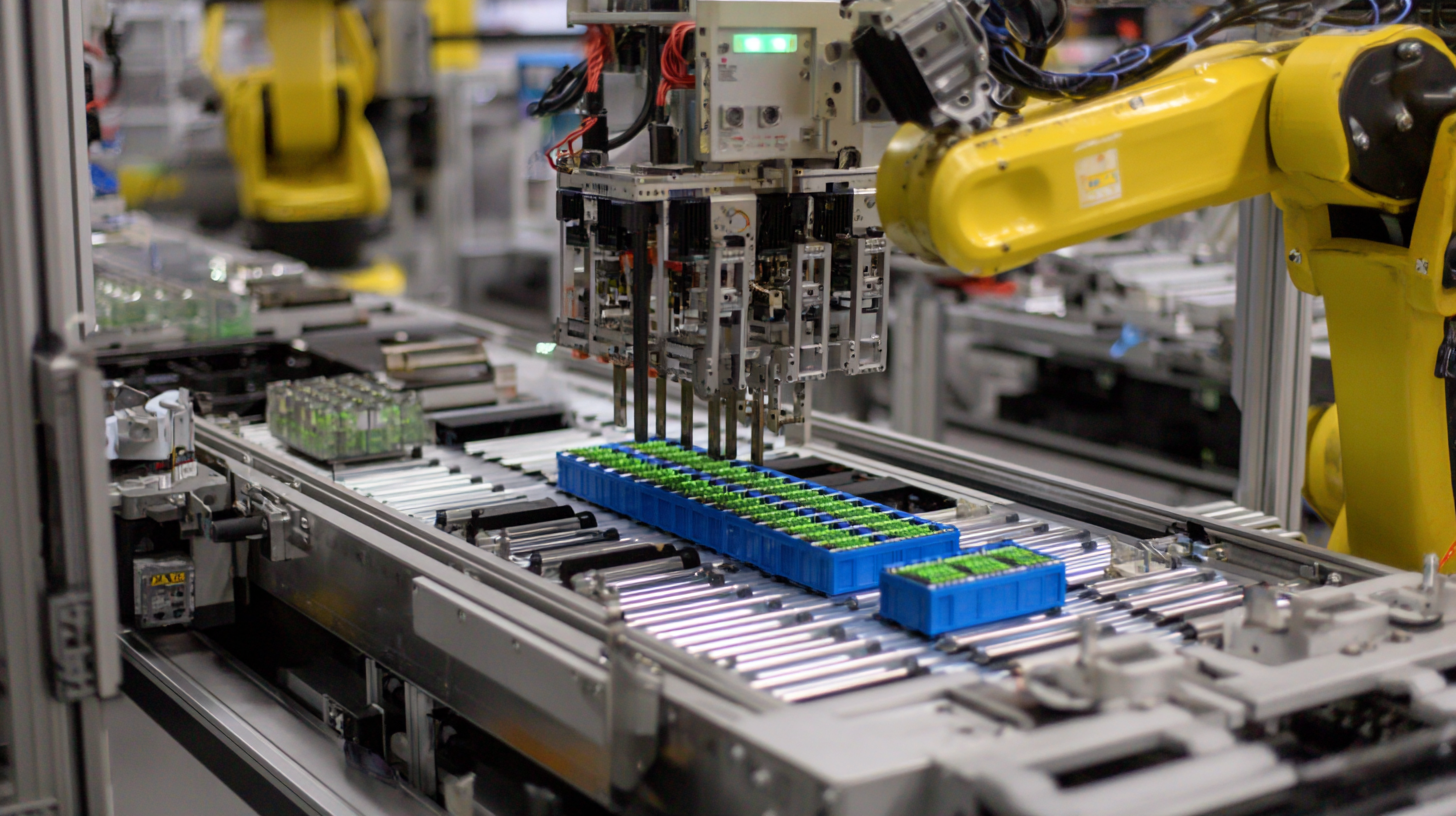
Then there’s the tricky balance of ramping up speed without sacrificing quality. It's tempting to push your machines to do more, faster, but rushing often leads to mistakes—and fragile parts can get damaged pretty easily. A smarter approach? Gradually upping the pace and keeping a close eye on how things are going. Using real-time data to track performance can really help. That way, you can tweak settings on the fly and avoid costly errors.
And let’s not forget about the human side of things. No matter how fancy your tech is, having skilled operators makes all the difference. Investing in ongoing training—covering both how to run the machines and troubleshoot issues—really pays off. When your team feels confident and well-trained, your overall efficiency gets a boost, and those pesky pick-and-place hiccups become a lot easier to manage.
Best Practices for Maintenance to Enhance Machine Longevity
If you want your pick and place machines to last longer, it’s really important to keep up with regular maintenance. According to a report by IPC—The Association Connecting Electronics Industries—sticking to a solid maintenance routine can actually boost the lifespan of your equipment by up to 30%. Setting up a clear schedule that targets key parts like the vacuum system and alignment sensors helps everything run smoothly day in and day out. Don’t forget, giving your machines a good clean to get rid of dust and debris, along with routine checks on mechanical parts, can make a huge difference in avoiding malfunctions and minimizing downtime.
And here's an interesting bit—more companies are turning to predictive maintenance tech, and it’s really changing the game. A study from the Manufacturing Technology Centre shows that by using IoT sensors to monitor machines in real time, you can cut maintenance costs by around 10-30% and keep your machines available for work more often. Basically, you’re catching problems early before they turn into big issues. This kinda proactive approach not only protects your equipment but also helps your production stay on track, making sure your pick and place machines keep performing at their best for longer.
Advanced Technologies for Streamlining Pick And Place Processes
These days, when it comes to manufacturing, there's never been a bigger focus on making pick-and-place tasks as efficient as possible. New tech is really leading the charge here, helping companies ramp up productivity and cut down on costs. One of the biggest game-changers is automation through robots — they can do the job faster and with incredible accuracy when placing parts on the line. Plus, they don’t get tired or make as many mistakes, which is a huge win when you're trying to hit those high-volume targets.
And things get even cooler when you bring AI and machine learning into the mix. These systems can actually analyze data in real time, tweaking themselves to run better, predict when maintenance might be needed, and make adjustments on the fly. Then there are vision systems with awesome imaging tech that help ensure everything is perfectly aligned and sorted. All of this means faster, more reliable operations, and better quality output. As more manufacturers start embracing these technologies, they’re seeing real improvements in both efficiency and product quality — it’s pretty exciting stuff!
Real-World Case Studies: Successful Optimizations in the Industry
In today's fast-moving world of manufacturing, tuning up pick and place machines has really become a key move for boosting how smoothly things run. Take this one real-life example — a top electronics maker managed to cut their cycle time by about 30% after they rolled out a solid optimization plan. They used some pretty advanced vision tech and smart algorithms that adapt on the fly, making the process of aligning components way easier. So, not only did they speed things up, but they also cut down on waste, which is a huge win. From what I’ve seen, companies that jump on these kinds of innovations often see a 15-25% boost in overall equipment effectiveness, plus some nice cost savings — proof that pushing for continuous improvement is so important for staying ahead of the game.
And there’s another interesting story in the car industry. A big car maker rewired their pick and place setup to keep up with the rising demand for electric vehicles. They brought in collaborative robots — you know, cobots — to work alongside traditional machines. This move made their assembly lines more flexible and scalable, which is pretty crucial nowadays. Industry studies suggest that companies embracing automation like this can boost productivity even more — up to 40%. It’s not just about getting things done faster; it’s also about being quick to respond to market shifts. All in all, this shows that staying innovative and open to new tech is the way to keep competitive in this rapidly changing manufacturing world.
Pick and Place Machine Efficiency Optimization: Key Metrics
Measuring and Analyzing Performance Metrics for Continuous Improvement
In today’s super competitive manufacturing world, keeping a close eye on performance metrics really matters if you want your pick and place machines to run more efficiently. A recent report from the International Society of Automation mentioned that fine-tuning how these machines perform can boost efficiency by up to 30%, which happy to say, can seriously cut down on production costs. So, what should you focus on? Stuff like cycle time, throughput, and accuracy—they’re the main things that directly affect how much you get done. For instance, just cutting down cycle time by around 10% can boost your output by more than 15% during a shift. Not too shabby, right?
And here’s the thing—regular performance checks are key to keeping these gains going. The whole Industry 4.0 thing has really pushed the importance of data analytics for real-time monitoring. Some recent studies show that companies using predictive maintenance can even cut downtime by up to 20%. By bringing in smart analytics tools, manufacturers can spot bottlenecks earlier and understand how machines are being used. That’s how you drive real innovation and keep things running smoothly. Basically, this data-driven approach isn’t just about making machines more efficient in a vacuum—it’s about creating a whole strategy to maximize productivity and stay ahead of the competition.
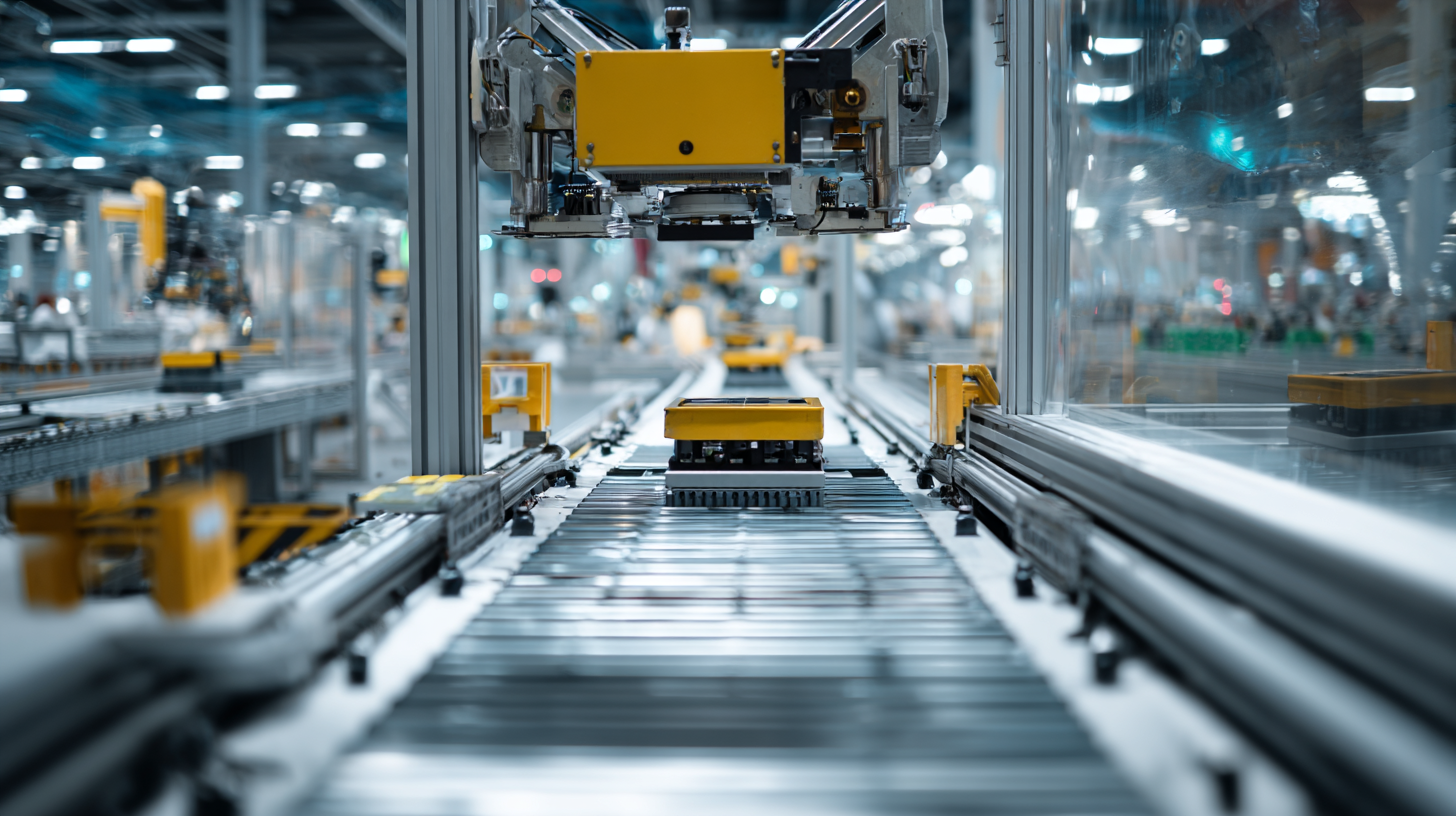
Enhancing Assembly Efficiency: A Deep Dive into the Hanwha Decan S2 SMT Pick and Place Machine
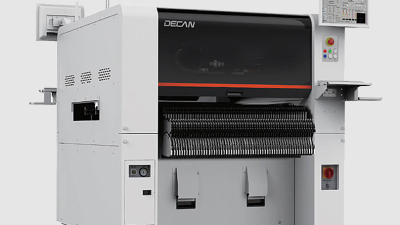
In today's fast-paced technological landscape, where efficiency and precision are paramount, the Hanwha Decan S2 Smt Pick And Place Machine stands out as a game changer. Designed to meet the rigorous demands of modern electronics manufacturing, this high-speed flexible mounter excels in placing components as small as 03015. Manufacturers seeking to optimize their production lines will benefit immensely from the Decan S2's unmatched capabilities.
With an impressive placement rate of 92,000 components per hour (cph), the Decan S2 redefines what high performance means in the SMT market. Its advanced technology not only enhances assembly efficiency but also ensures high accuracy, making it an ideal choice for companies looking to keep pace with ever-evolving product specifications and market needs. The flexibility of the Decan S2 allows it to adapt to various component types and sizes, ensuring that it is equipped to handle the challenges of diverse assembly requirements.
Investing in the Hanwha Decan S2 is more than just acquiring a machine; it’s about future-proofing your operations. As manufacturers navigate the complexities of modern electronics, integrating a machine that combines speed and precision like the Decan S2 will provide a competitive edge. Embracing this technology means you can focus on innovation and quality while the Decan S2 handles the intricacies of placement efficiency.
FAQS
: Machine speed is crucial as advancements have increased speed by over 30%, enabling rapid processing of high-volume production lines, which significantly enhances overall production efficiency.
Modern systems have achieved an accuracy level of 99.9%, which is essential for maintaining quality control and reducing waste in production batches.
They enhance placement accuracy, allow for real-time adjustments during operations, and minimize waste and rework in the manufacturing process.
Regular maintenance helps prevent costly breakdowns and can increase operational uptime by over 20%, ultimately leading to better productivity and profitability.
Automation allows for faster and more precise placement of components, reducing human error and meeting high-volume production demands more efficiently.
They enable real-time data analysis, optimize machine performance by predicting maintenance needs, and make operational adjustments on the fly.
A leading electronics manufacturer achieved a 30% reduction in cycle time by using advanced vision systems and adaptive algorithms to streamline the alignment process of components.
The manufacturer implemented collaborative robots (cobots) alongside traditional machines to enhance flexibility and scalability, resulting in a productivity increase of up to 40%.
Continuous improvement strategies can lead to a 15-25% increase in overall equipment effectiveness (OEE) and substantial cost savings, emphasizing the need for innovation in manufacturing.
Conclusion
If you're looking to get the most out of your pick and place machines, the first step is really understanding what affects their performance — things like how fast they work, how accurate they are, and how well they adapt to different components. Tackling common issues such as misalignment or unnecessary downtime can make a huge difference in your overall output. Plus, sticking to good maintenance routines not only helps these machines last longer but also keeps them running smoothly over time.
On top of that, bringing in some of the latest tech can really help make the whole process more efficient. We've seen plenty of real-world examples where companies managed to optimize their operations successfully — it just goes to show that tracking and analyzing key performance metrics is super important for ongoing improvement. Here at Morel Equipments Co., Limited, we’ve got tons of experience in the SMT industry, so we’re well-positioned to be your go-to partner. Whether you need top-notch pick and place machines or advanced automation solutions, we’ve got you covered to boost your production game.