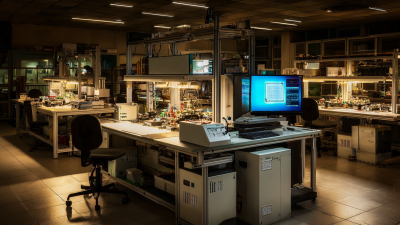
In the fast-changing world of surface mount technology (SMT), getting the most out of Automated Test Equipment (ATE) is more important than ever if you want to keep up with industry standards and boost productivity. I recently came across a report by MarketsandMarkets that predicts the global ATE market will hit around $6.1 billion by 2025 — that really shows how much folks are craving precision and dependability in electronic manufacturing nowadays. At Morel Equipments Co., Limited, with over 15 years in the game, we’ve grown alongside this industry. We’ve moved from just supplying accessories to offering a full package of solutions. Our lineup includes pick-and-place machines, automatic soldering robots, ICT & Fct Testers, and solder paste equipment — all aimed at making testing simpler, cutting down costs, and helping manufacturers produce top-notch products faster and more efficiently.
Strategies for Optimizing Test Automation Workflows
In our fast-moving development world, fine-tuning how we handle test automation is kind of a big deal if we want our Automated Test Equipment (ATE) to work more smoothly. One thing that really helps is investing in a solid test management tool that plays nicely with your ATE. It makes it so much easier to find and manage your test cases, which means you can keep better tabs on how tests are going and what results you're getting. Just a heads-up—regularly updating and maintaining that tool can seriously cut down on your testing cycles and make everything run a lot more efficiently.
Another thing that makes a huge difference is prioritizing your test cases based on what's risky or really important. By zeroing in on the critical parts of your system first, you end up wasting less time on tests that don’t really matter all that much. It’s a smart way to speed things up and catch potential issues much earlier in the process. Also, adopting a continuous testing approach is super beneficial—testing more frequently means faster feedback and quicker fixes, which makes everyone’s job easier.
And hey, don’t forget about teamwork. Getting development and testing folks to work closely together can totally streamline the whole process. Using shared platforms for communication and documentation helps keep everyone on the same page, cutting down on misunderstandings and chaos. Regular cross-team meetings can also help everyone understand what's going on and pick up best practices for test automation, leading to better results all around.

Leveraging Data Analytics to Improve Equipment Performance
You know, data analytics plays a pretty big role when it comes to making automated test equipment work more smoothly, especially in the surface mount technology (SMT) world. At Morel Equipments Co., Limited, we really get how tapping into data from our cutting-edge ICT and FCT automatic testers can boost the overall performance of the equipment. By spotting patterns and catching potential issues on the fly, companies can smooth out their production lines, cut down on downtime, and end up with higher speeds and better quality products — pretty awesome, right?
Plus, bringing data analysis into our automated tools, like pick-and-place machines and soldering robots, means we can make smarter decisions. For example, predictive maintenance—where you use data to foresee problems before they happen—can really help keep things running without unexpected hiccups. As Morel keeps growing as a one-stop shop for these solutions, our focus on making equipment more efficient with the help of data analytics sets our clients up for even greater success in a tough-as-nails market.
Integrating Advanced Technologies for Enhanced Testing Precision
You know, bringing in cutting-edge tech into automated test equipment (or ATE for short) can really boost both how precise and how efficient your testing gets. I came across a recent report from Grand View Research that says the global market for ATE is projected to hit around $7.68 billion by 2025. That’s mainly because electronic devices are getting way more complex, and there's this skyrocketing demand for better performance standards. As industries start using smarter tech like machine learning and AI, ATE systems are now able to crunch huge amounts of data on the fly, making diagnostics way more reliable.
Plus, incorporating Internet of Things (IoT) devices takes things to the next level. It makes collecting and sharing data between different testing components super seamless. A study from Markets and Markets points out that IoT in testing is expected to grow at a compound annual growth rate (or CAGR) of over 25% through 2024. That kind of connectivity helps teams make quick adjustments during testing, which means products can get to market faster. Honestly, when IoT and ATE work together like this, it not only makes the whole process smoother but also ensures that testing keeps pace with the rapid tech evolution—resulting in better test results and overall efficiency that’s hard to beat.
5 Key Tips to Enhance Your Automated Test Equipment Efficiency - Integrating Advanced Technologies for Enhanced Testing Precision
| Tip | Description | Technology/Strategy | Expected Outcome |
| Use of AI in Testing | Leverage AI algorithms to improve fault detection. | Machine Learning, Data Analytics | Increased accuracy in results |
| Real-time Data Monitoring | Implement systems for monitoring performance in real-time. | IoT Technology, Cloud Computing | Immediate issue identification |
| Automated Reporting Tools | Use automated tools for generating test reports. | Reporting Software, Dashboards | Time-saving on documentation |
| Integration with CI/CD | IntegrAte Testing tools within CI/CD pipelines. | DevOps Practices | Faster feedback and deployment |
| Continuous Learning | Encourage continuous training on new technologies. | Training Programs, Workshops | Enhanced skillsets of teams |
Streamlining Maintenance Processes for Automated Test Equipment
Keeping your Automated Test Equipment (ATE) running smoothly really depends on having solid maintenance processes in place. When you streamline these, not only do you cut down on unexpected downtimes, but you also get more accurate and reliable test results — it’s a total win. So, here are some tips to help you out.
First off, setting up a regular maintenance schedule is super important. Thinking ahead and servicing your gear routinely can save you from those nasty surprises that halt your workflow. Plus, keeping a maintenance log is a game-changer; it helps you spot recurring issues and deal with them in a more systematic way.
Another thing is, investing in proper training for your maintenance folks really pays off. When they know their stuff, troubleshooting and fixing problems becomes way faster, which means less downtime. And don’t forget about using simple, user-friendly software tools to keep an eye on your equipment’s performance. Those alerts for repairs or tweaks really help you stay ahead of potential issues.
Focusing on these smarter maintenance practices means your equipment will last longer and work better, giving you a boost in productivity and saving some cash in the long run. It’s all about making things run more smoothly and effectively.
Efficient Maintenance Processes for Automated Test Equipment
Training and Development: Empowering Your Testing Team
Investing in your testing team through solid training and ongoing development isn’t just a nice-to-have anymore—it’s pretty much essential in today’s super-fast tech world. I mean, a report from the Aberdeen Group shows that companies who really focus on keeping their testers sharp and up-to-date see about a 56% jump in productivity. That just proves how important it is to have a well-trained crew using the latest tools and methods. When you put training first, you're making sure your team can handle the newest tech and stay efficient, which really helps streamline testing processes.
On top of that, building a culture where everyone’s always learning and improving can seriously boost problem-solving skills. A survey by QA Research found that teams that keep up with regular professional growth see about a 30% faster issue resolution time. That’s a big deal because it means your testing gets done quicker, and products can hit the market faster. So yeah, investing in your team’s skills isn’t just good for them—it’s a smart move for the success of your whole testing operation. It helps you stay innovative and adaptable in a field that keeps changing all the time.
Implementing Best Practices for Test Equipment Management
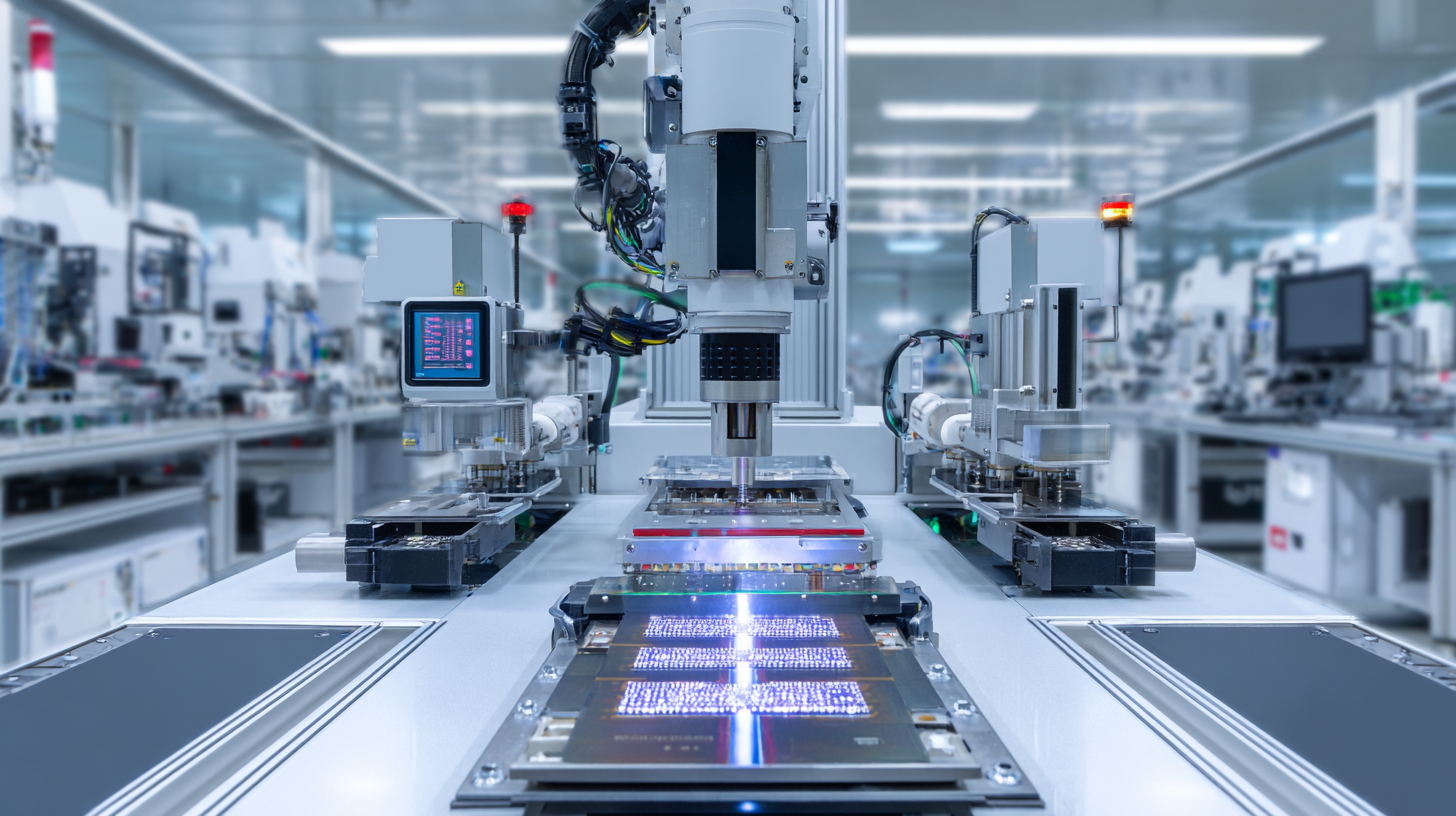
Getting the hang of best practices for managing test equipment is super important if you want to get the most out of your automated test setups. According to a recent report from ARC Advisory Group, even a bit of downtime on your ATE can really throw a wrench in your production schedule—slashing your efficiency by as much as 20%. To prevent that from happening, it’s a good idea to stick to regular maintenance and calibration. That way, you’ll get more accurate results and cut down on unexpected failures, which ultimately means more smooth sailing and higher productivity.
One handy tip? Set up a centralized system to keep an eye on your test equipment. Using real-time data analytics helps you monitor how your equipment is performing and how much it’s being used. With that info, you can make smarter decisions and allocate resources where they’re needed most. Also, having standardized procedures in place can really help reduce testing variability. A study by the Electronics Industries Alliance even showed that organizations that hit these points saw their test throughput jump by almost 30%.
And don’t forget about people—training your team is just as important. The folks running the tests need to be skilled and confident with the latest tech and methods. A survey from the Automation Federation revealed that companies that invested in staff training saw about a 25% boost in testing efficiency. When your team is up-to-date and well-trained, everything tends to run a lot smoother, and you get way better use of your resources.
FAQS
These technologies enable ATE systems to analyze vast amounts of data in real-time, greatly improving their diagnostic capabilities and overall testing precision.
IoT devices enhance testing processes by allowing seamless data collection and sharing among various test components, facilitating quicker adjustments and optimizations during testing cycles.
Implementing a regular maintenance schedule, investing in maintenance team training, and utilizing software tools for monitoring equipment performance are key strategies to enhance ATE maintenance processes.
Companies that invest in ongoing training for their testing teams can see a 56% increase in productivity, as well-trained personnel are essential for maximizing the efficiency of ATE.
Continuous learning can lead to a 30% improvement in issue resolution time and enhances problem-solving capabilities, boosting overall performance and faster go-to-market strategies.
Regular maintenance is crucial to prevent unexpected failures, reduce downtime, and enhance the accuracy and reliability of test results.
Maintenance logs help in tracking issues and resolutions, allowing organizations to identify recurring problems and systematically address them.
User-friendly software tools that monitor equipment performance can provide timely alerts for necessary repairs or adjustments.
Investing in knowledge and skills for testing teams facilitates innovation and adaptation, ultimately leading to the overall success of testing operations in an evolving technological landscape.
Conclusion
Making automated test equipment (ATE) more efficient is a big deal for manufacturers who want to upgrade their testing game. In this post, I’ll run through five key strategies that make a real difference. First up, fine-tuning your test automation workflows can really cut down on cycle times and ramp up throughput—that means faster results and more testing in less time. Then, using data analytics is a game-changer: it helps your team keep tabs on equipment performance and spot areas to improve, so you can make smarter decisions. Plus, bringing in the latest tech can boost testing accuracy, making sure your outputs are top-notch.
Another thing that often gets overlooked is streamlining maintenance. When that’s done right, it cuts down on downtime and helps your equipment last longer. And don’t forget about ongoing training—keeping your team in the loop about industry trends and new practices keeps everyone sharp. Lastly, following best practices for managing your test equipment ensures smooth operations and peak efficiency.
At Morel Equipments Co., Limited, we're passionate about supporting the surface mount technology (SMT) industry with solutions that help our partners stay ahead—especially through advanced ATE setups that push the envelope. We’re all about helping you get the most out of your testing efforts!