In today's world of manufacturing, making assembly processes more efficient is more important than ever. Have you heard about the Radial Insertion Machine? It's actually a pretty cool innovation that's really changing the game. According to a report from MarketsandMarkets, the market for automation equipment is expected to hit around $200 billion by 2025, and machines like this are a big part of that growth. They help insert electronic components with incredible precision, making the whole process faster and more reliable.
What’s neat is that the Radial Insertion Machine works by placing components into printed circuit boards (PCBs) using a radial method. This approach cuts down on human errors and speeds things up quite a bit. But, honestly, getting started with one of these isn’t exactly plug-and-play — there's definitely a learning curve. Proper training is a must if you want to get the most out of it and avoid costly delays. Sometimes, you might hit a few bumps during setup or maintenance, so it’s always good to keep reviewing and optimizing your process.
Of course, it’s not all smooth sailing. Some designs just don’t jive well with this type of insertion. Custom parts might need tweaks or adjustments that could slow things down instead of speeding them up. So, it’s really important to analyze what your specific assembly needs are before jumping in. If you do decide to go for it, embracing the Radial Insertion Machine could seriously boost your efficiency — but it’s worth taking a moment to make sure it lines up with your production goals first.
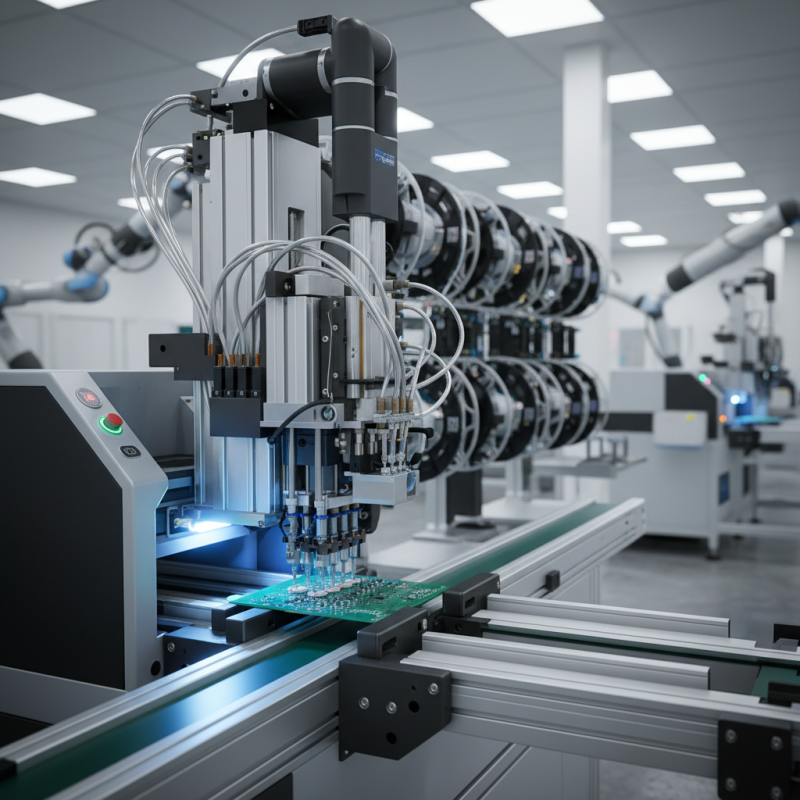
What is a Radial Insertion Machine? An Overview
A radial insertion machine is a specialized device used in manufacturing processes. It is designed to insert components radially into a substrate. This machine often finds use in the electronics and automotive industries. Its ability to perform rapid insertions efficiently enhances productivity.
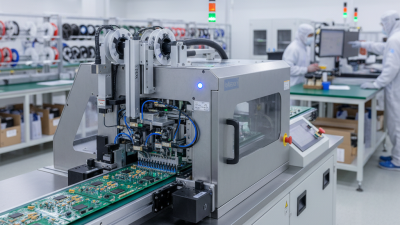
The operation of a radial insertion machine involves several steps. First, components are placed into the machine's feeder system. Then, the machine positions the substrate accurately. A rotating mechanism then inserts the components into preset holes. This process reduces manual labor and increases precision, though it may require regular calibration.
**Tips:** When setting up the machine, ensure all components are compatible. Misalignment can lead to defects. Regular maintenance is vital to avoid unexpected breakdowns. Monitor the insertion speed to balance speed with quality. Adjust settings as needed for different materials.
Training operators effectively enhances the machine's performance. They should understand the setup and troubleshooting processes deeply. Misuse can lead to waste and production delays. Remember, every malfunction is a chance to learn and improve operations.
Radial Insertion Machine Efficiency Over Time
Key Components of a Radial Insertion Machine
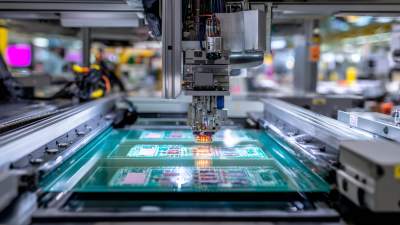
A Radial Insertion Machine is designed for efficient component assembly. Its structure includes several key components: a loading system, insertion mechanism, and control unit. Each part plays a vital role in production efficiency. The loading system ensures precise placement of components, minimizing waste and errors. It typically includes a conveyor belt for continuous flow. The insertion mechanism uses a radial approach to position components accurately.
Data from industry reports indicate that machines equipped with advanced loading systems can improve assembly line efficiency by up to 30%. However, not all machines handle various component sizes well. This limitation can slow down production speed. Manufacturers should consider flexibility in design when choosing Radial Insertion Machines.
Tip: Regular maintenance of the insertion mechanism can prevent unexpected downtime. Additionally, training staff on machine operations reduces human error. When selecting a machine, think about the types of components you will be inserting. Compatibility is crucial for maintaining efficiency. The right setup can enhance overall productivity while minimizing costs.
How Radial Insertion Machines Operate: Step-by-Step Process
Radial insertion machines are essential in various manufacturing processes. They handle the precise placement of components into assemblies. Understanding how they operate can shed light on their effectiveness.
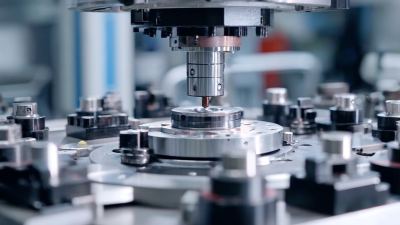
A radial insertion machine typically begins with the loading of components into a designated feeder. This feeder aligns the parts properly. Then, the machine uses an automated arm to pick the component. Research shows that efficient alignment reduces insertion errors by up to 30%. After grasping the part, the machine moves it to the insertion point. Here, a radial drive mechanism ensures that the component is accurately positioned.
The insertion process itself relies on specific parameters, such as torque and speed. Fine-tuning these parameters is crucial. Many operators overlook this aspect. An improper torque setting can lead to component damage or assembly failure. Data indicates that 15% of failures in assembly lines are due to incorrect parameter settings. After insertion, the machine verifies the successful placement. This quality control step is vital, yet sometimes neglected. Regular maintenance of the machines is necessary too. Without it, accuracy can deteriorate over time.
Applications of Radial Insertion Machines in Manufacturing
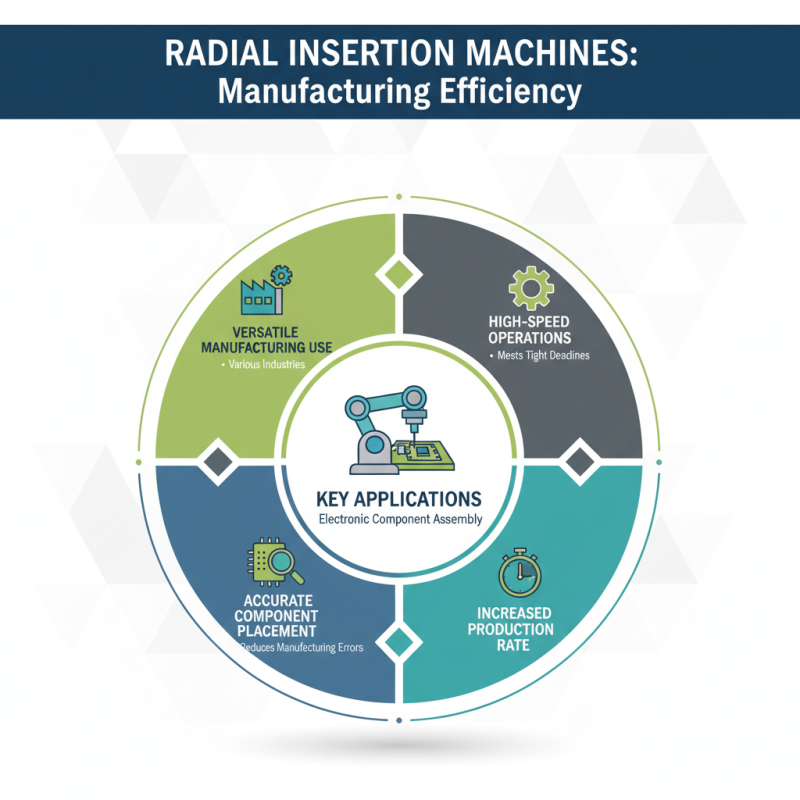
Radial insertion machines are widely used in manufacturing. Their key application is in assembling electronic components. These machines can accurately insert parts into a pre-defined position. This accuracy reduces errors in production. High-speed operations are common, which helps in meeting tight deadlines.
In the automotive industry, radial insertion machines play a critical role. They help in inserting connectors and fasteners into various applications. The technology enhances efficiency and reduces manual labor. However, human oversight is essential. Mistakes can occur during the setup of these machines, leading to production flaws.
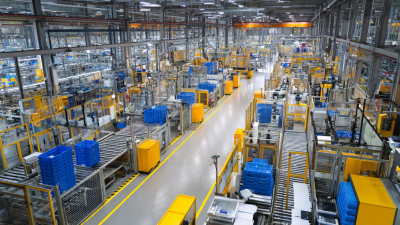
Moreover, the use of an Auto Insertion Machine streamlines assembly lines. It allows for scalable production without sacrificing quality. Nevertheless, operators must regularly check for wear and tear. This ensures that the machines function optimally. Continuous training for workers is vital. Ensuring they understand the technology can mitigate issues that arise from speed and complexity.
Industry Standards and Efficiency Metrics for Radial Insertion Machines
Radial insertion machines are vital in modern manufacturing. They streamline the process of assembling radial components with precision. Industry standards emphasize efficiency and reliability. According to a recent report, these machines can achieve production rates of 200 to 600 units per hour. Such performance is crucial in high-demand sectors like automotive and electronics.
Efficiency metrics often consider overall equipment effectiveness (OEE). A well-maintained radial insertion machine can reach OEE levels above 85%. However, achieving these standards requires regular maintenance and skilled operators. Reports indicate that improper training can lead to a 30% reduction in efficiency.
Some manufacturers also compare radial insertion machines with Axial Insertion Machines. While both have their advantages, the choice depends on the specific application. Radial insertion machines excel in tasks requiring precise placement of components at specific angles. Yet, they can also face challenges, such as longer setup times for product changes. This inconsistency can hinder overall productivity. Therefore, continuous assessment and possible upgrades in technology are necessary to maintain competitive advantages in the market.
The Impact of Radial Insertion Machines on Production Rates
Radial insertion machines are revolutionizing production efficiency. Industries are rapidly adopting these machines for their speed and precision. According to a recent report by the Manufacturing Technology Association, production rates can increase by as much as 50% when using automatic insertion technology. This is significant, especially in high-demand environments.
The technology allows for faster assembly of components. Each cycle time is reduced to a matter of seconds. In sectors such as automotive and electronics, this efficiency translates to lower labor costs. Yet, it's crucial to remember that integration requires training and adjustment periods. A study by Global Automation Insights revealed that 30% of companies faced challenges while transitioning to these machines. Finding the right balance between automation and human oversight is still a work in progress.
Quality control remains a concern. While radial insertion machines enhance speed, they may introduce new errors. Automated processes can sometimes overlook minute details that skilled labor would catch. Industry analysts encourage regular assessments of output quality. These machines can produce incredible results, but the need for vigilance in checking their work is essential.
Future Trends in Radial Insertion Technology and Automation
The future of radial insertion technology promises exciting advancements. Automation plays a key role in this. New designs will streamline the process, reducing errors and increasing efficiency. Smart machines could adapt to various materials and shapes. This adaptability minimizes the need for manual intervention, saving time and labor costs.
Tips: Always monitor machine performance. Small adjustments can lead to significant improvements. Regular training for operators enhances safety and efficiency too.
As technology evolves, we may see integration with AI systems. Imagine machines that learn from past insertions. These systems could predict and prevent issues. However, reliance on automation raises concerns. What if technology fails? Balancing innovation with human oversight is crucial.
In a world that values speed, quality must not suffer. Advanced sensors could detect faults in real-time. Ensuring every insertion meets the highest standards should be the goal. Embracing future trends means continuously evaluating both progress and potential pitfalls.
What is a Radial Insertion Machine and How Does it Work? - Future Trends in Radial Insertion Technology and Automation
| Dimension | Details |
| Machine Type | Radial Insertion Machine |
| Application | Automotive, Electronics, Appliances |
| Insertion Method | Radial Insertion Process |
| Key Features | High precision, High speed, Automated control |
| Advantages | Increased efficiency, Reduced manual labor, Consistent quality |
| Future Trends | Integration of AI, Enhanced robotics, Adaptability to multi-variants |
| Maintenance | Regular inspection, Software updates, Replacement of worn parts |
| Cost Consideration | Initial investment, Operational costs, ROI analysis |
Efficient Solutions for PCB Assembly: Introducing the Fully Automatic SMS-5600 Cleaning Machine
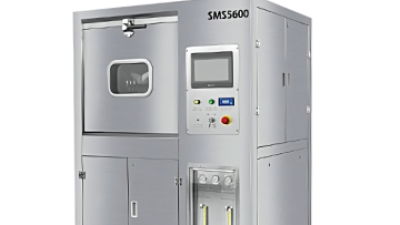
The SMS-5600 cleaning machine represents a significant advancement in the realm of PCB assembly, leveraging a compact structure designed for energy efficiency and environmental sustainability. With increasing demands for higher production rates in the electronics sector, the need for effective off-line cleaning solutions is more pressing than ever. According to a recent industry report, the global market for Pcb Cleaning machines is projected to grow by approximately 5.6% annually, driven by advancements in cleaning technologies and the rise in miniaturization of electronic components.
The SMS-5600 stands out in this competitive landscape due to its ability to handle batch cleaning efficiently. This not only optimizes the cleaning process but also ensures that electronics manufacturers can maintain high standards of cleanliness amidst growing production volumes. The machine's design facilitates quick transitions and minimal downtime, enabling seamless integration into existing workflows. In an environment where contamination can significantly impact product reliability, having a reliable cleaning solution is paramount – studies indicate that clean PCBs can reduce the likelihood of failures by up to 40%.
Furthermore, with increasing regulations focused on environmental protection and waste reduction, the SMS-5600 aligns perfectly with industry standards. By minimizing energy consumption and using less harmful cleaning agents, the machine addresses both ecological concerns and operational cost efficiency. As manufacturers seek to improve their sustainability profile, the SMS-5600 offers a forward-thinking solution that meets both performance requirements and regulatory pressures in the evolving electronics landscape.
FAQS
: There are various categories. You can find electronics, clothing, and home goods. Each category has unique options.
Choose a product, add it to your cart, and proceed to checkout. Follow the instructions on the screen.
Typically, credit cards and digital wallets are used. Some platforms may allow bank transfers or cash on delivery.
Yes, many sellers offer a return policy. Check the details on each product page for specific terms.
After purchase, you will receive a tracking number via email. Use it on the website to check your order status.
Shipping may vary. Some orders have free shipping while others do not. Review shipping fees during checkout.
Contact customer service for assistance. They can help resolve issues like damaged items or incorrect orders.
After receiving your order, you can submit a review. Feedback helps others make informed decisions.
Modifying an order can be tricky. Try contacting support quickly to see if it's still possible.
Check your payment details for errors. If issues continue, contact your bank or choose a different payment method.
Conclusion
A Radial Insertion Machine is a specialized tool used in manufacturing to automate the insertion of components into printed circuit boards (PCBs). This machine operates through a series of key components, including feeders, insertion heads, and control systems, which work collaboratively to ensure precise and efficient placement. The process typically involves loading components, aligning them accurately, and then inserting them into the designated locations on the PCB.
Radial Insertion Machines play a crucial role in various industries by enhancing production rates and improving the overall efficiency of manufacturing processes. They adhere to industry standards that ensure quality and reliability, which are vital for maintaining competitive advantages. As technology evolves, future trends in radial insertion are expected to focus on increasing automation and integration with other manufacturing technologies, further streamlining production workflows and reducing operational costs.