- Home
- Products
- News
- About Us
- Support center
- Contact Us
inquiry
Leave Your Message
Hey, you know, the manufacturing world is changing so fast these days. New tech is really shaking things up—making production lines more efficient and smoother than ever. One of the big game-changers? Radial Insertion Machines. They’re a real leap into automation, helping manufacturers get stuff done faster and with much greater precision—especially when putting together tiny electronic parts. I recently saw a report saying that the global market for automated manufacturing gear is expected to grow around 8.5% annually. That just shows how much everyone’s craving smarter, more efficient solutions. Here at Morel Equipments Co., Limited, we’ve been around for over 15 years in the surface mount tech scene. We started out offering accessories, and now, we’re pretty much a one-stop shop for everything—Pick And Place Machines, soldering robots, testing setups—you name it. Thanks to the power of Radial Insertion Machines, we’re better equipped than ever to help our clients keep up with market demands and boost their production game.
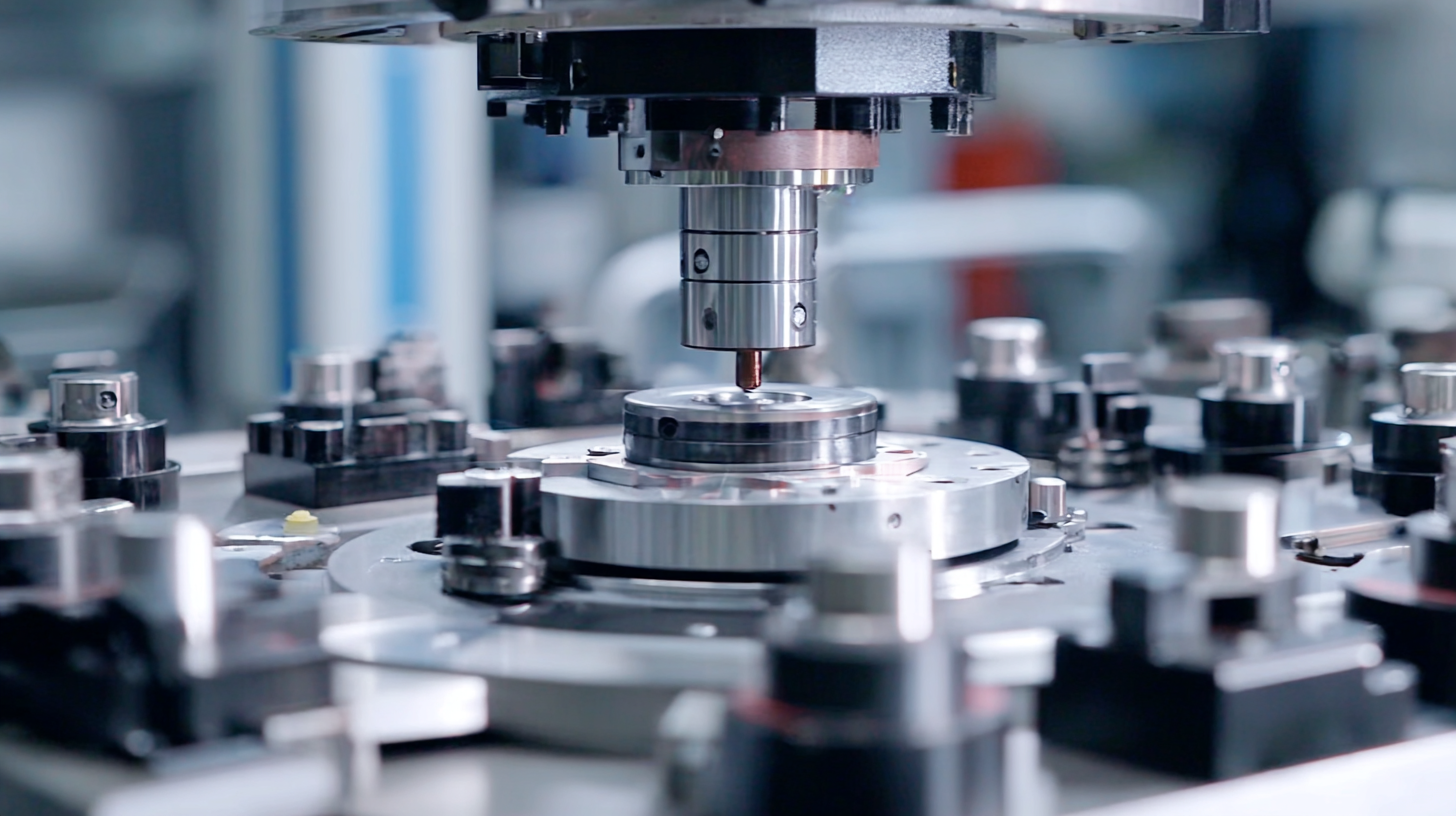
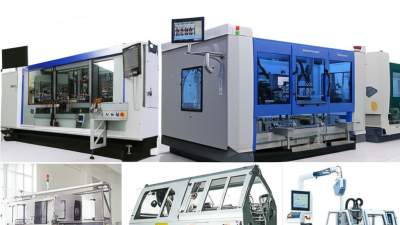
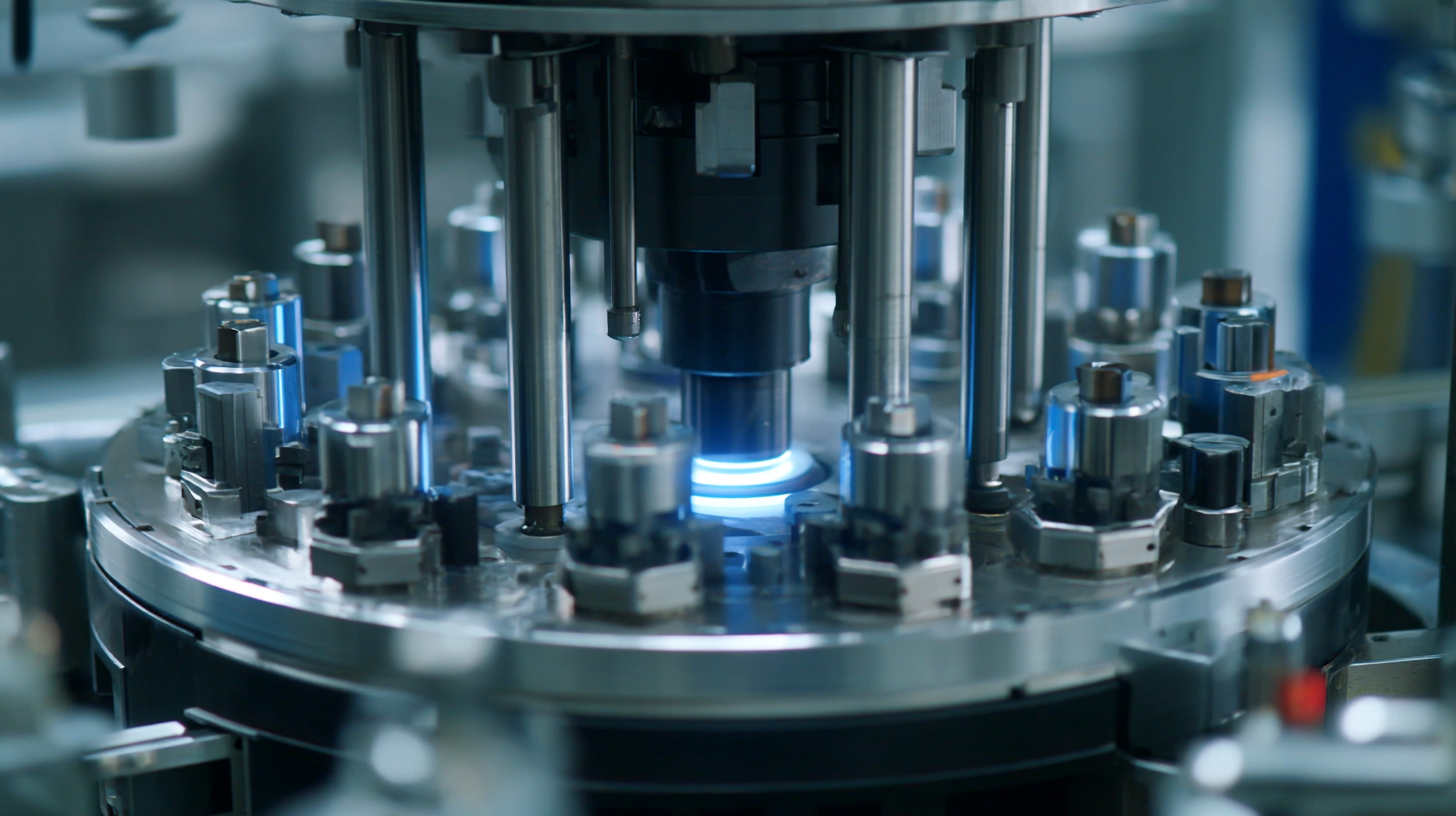
Over the years, manufacturing tech has really evolved, mainly aiming to be more efficient and precise. One pretty exciting development? Radial insertion machines. They've totally changed how things used to be done. Instead of complicated, slow processes, these machines make inserting parts into assemblies much smoother—and quicker—without sacrificing accuracy. As automation becomes the norm in factories, devices like these are a game-changer, helping companies boost production while reducing those pesky human errors.
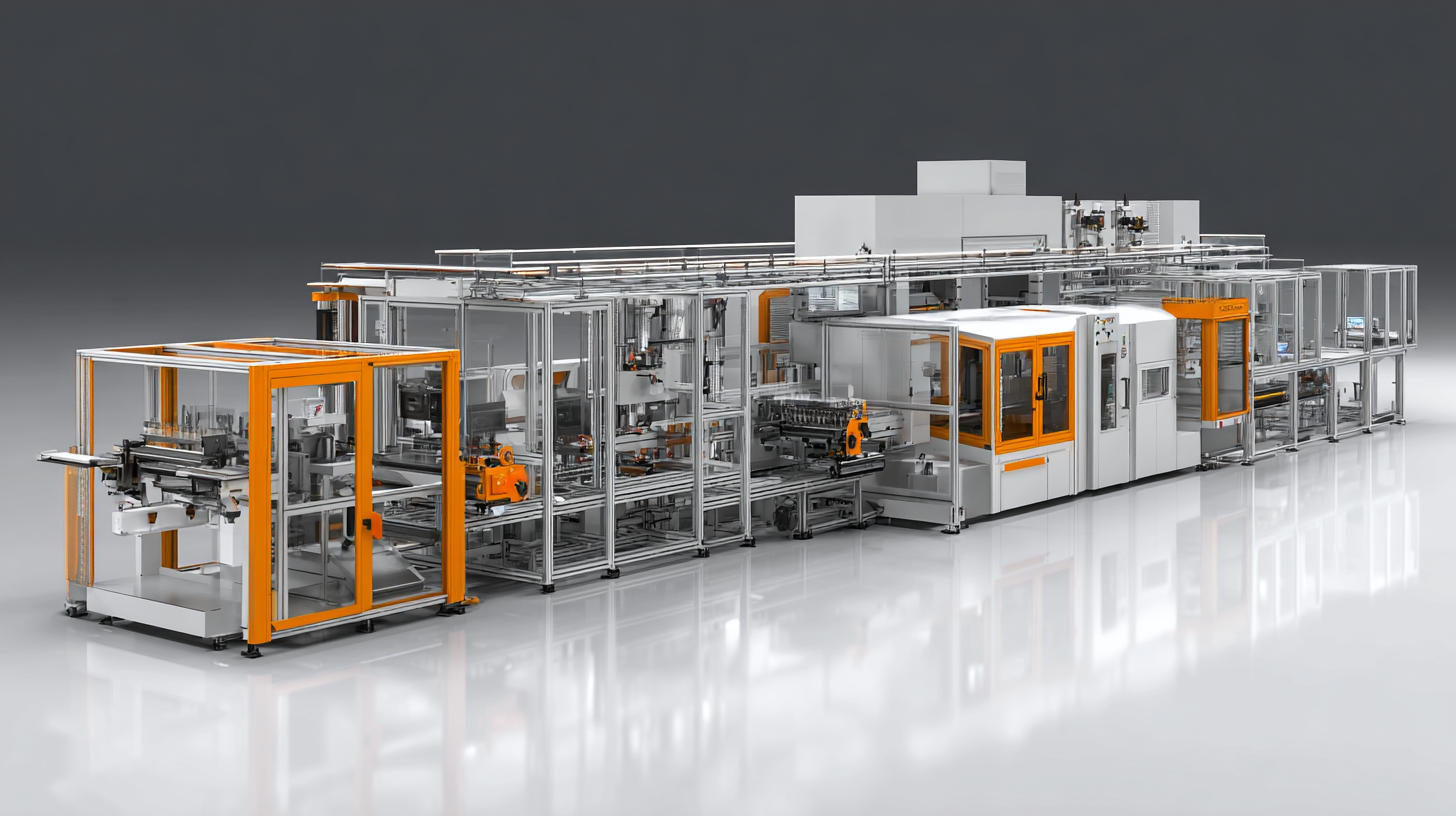
Today, as industries try to keep up with fast-paced demands, radial insertion machines fit in seamlessly with existing production lines. They’re pretty versatile, capable of handling lots of different components—so they’re useful across all sorts of manufacturing sectors. Plus, they come equipped with real-time monitoring and data tools, so manufacturers can fine-tune their operations on the fly. Basically, this all points to a bigger trend: moving away from manual, labor-heavy work towards smarter, fully automated systems that can adapt quickly and crank out more products.
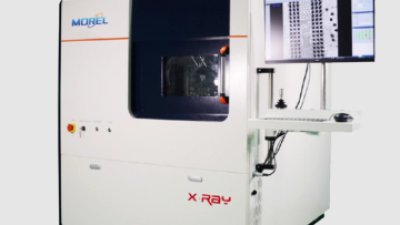
The S-7200 X-Ray Inspection System offers cutting-edge capabilities for enhanced quality control in manufacturing, specifically in the realm of printed circuit boards (PCBs) and electronics. According to industry data reports, the demand for high-precision non-destructive testing solutions has surged, as manufacturers increasingly prioritize defect detection to maintain product integrity. The S-7200 stands out with its advanced real-time X-ray imaging technology, allowing operators to delve deep into the internal structures of electronic assemblies and pinpoint anomalies that could compromise functionality.
Recent studies indicate that using high-resolution inspection systems like the S-7200 can reduce defect rates by up to 30%, significantly impacting overall yields. As products become more compact and intricate, the S-7200's ability to provide unparalleled accuracy in visualizing complex internal geometries is crucial. These insights not only enhance quality control measures but also align with the industry's shift towards more reliable manufacturing processes, as noted in several technical reports highlighting improvements in product safety and performance metrics.
Furthermore, the integration of the S-7200 into manufacturing lines facilitates real-time monitoring, enabling companies to make informed decisions quickly. The data from industry reports reveals that companies utilizing advanced X-ray inspection systems are seeing faster turnaround times and reduced costs associated with failures in the field. The S-7200 X-Ray Inspection System, therefore, plays an integral role in meeting the modern industry's stringent quality standards and demands for efficiency.
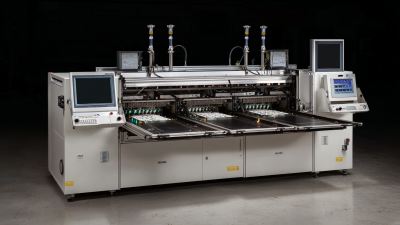
: Radial insertion machines are advanced tools that automate the process of inserting components into assemblies, enhancing both speed and accuracy. They represent a significant advancement in manufacturing technology, transforming traditional production methodologies and improving efficiency.
These machines streamline the insertion of components, reducing human error and increasing productivity. Their ability to integrate into existing production lines allows for a smooth transition to more automated systems.
The adoption of Industry 4.0 technologies, including IoT, AI, and cloud computing, is Revolutionizing manufacturing by improving efficiency and analytics, ultimately enabling businesses to utilize big data more effectively.
Lighthouse factories are advanced manufacturing facilities that leverage automation and digitalization to optimize production processes. They serve as models for how technology can significantly enhance operational efficiency in manufacturing.
Key challenges include the initial investment costs and the complexity of integrating new systems with existing processes. Additionally, companies must ensure a robust training program for operators to minimize downtime during the transition.
Maintaining product quality can be challenging, with many manufacturers reporting difficulties. Solutions such as enhanced monitoring systems and predictive maintenance, supported by data analytics and real-time feedback mechanisms, can help ensure consistent quality.
Transitioning to radial insertion technology can lead to a 25% increase in assembly efficiency, although it requires addressing challenges such as operator training and quality control to fully realize these benefits.
The global IoT manufacturing market is projected to grow from $141.18 billion in 2025 to $673.95 billion by 2032, highlighting the urgency for manufacturers to integrate digital solutions.
Digital twin technology facilitates the transition to sustainable manufacturing practices, aiming to reduce resource consumption significantly. This approach exemplifies the industry's shift toward optimizing production for sustainability.
Companies like Morel Equipments Co., Limited are evolving into comprehensive solution providers in surface mount technology, showcasing the industry's shift towards embracing transformative technologies essential for future manufacturing success.
So, I recently came across an article called "The Future of Manufacturing: How Radial Insertion Machines Are Changing Production Lines," and I have to say, it's pretty fascinating. It dives into how manufacturing tech has evolved over time, highlighting the standout features of Radial Insertion Machines that really boost modern production efficiency. What's cool is how these machines, with a little help from digital tools, are making processes smoother and bumping up productivity quite a bit. The article also shares some real-world success stories—cases where companies have successfully brought in these machines—and you can see just how transformative they’ve been for their production lines.
On top of that, it talks a lot about where things are headed—especially the role of automation in powering manufacturing innovation. Of course, it doesn’t shy away from mentioning some of the hurdles companies face when adopting Radial Insertion tech, which adds a realistic touch. As someone who’s been in the SMT industry for over 15 years, Morel Equipments Co., Limited really gets how important these innovations are. They’re dedicated to helping businesses up their game, positioning themselves as your go-to partner for all things modern manufacturing.
Honestly, it’s a pretty insightful piece that balances the exciting future and practical challenges of this tech, making it a must-read for anyone in the industry.