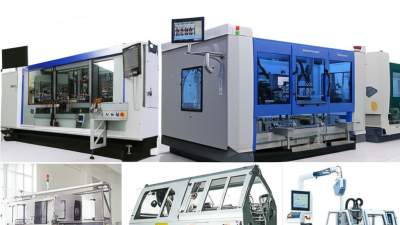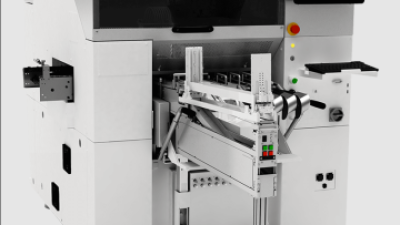
In the fast-changing world of manufacturing, making assembly processes more efficient and accurate is pretty much a top priority these days. One tool that’s been catching a lot of attention lately is the Radial Insertion Machine. It’s a real game-changer when it comes to speeding up production of electronic parts and getting those components placed with way more precision. As companies try to cut costs and boost their operations, getting a good handle on how to use the Radial Insertion Machine effectively can give you a serious leg up over the competition.
In this article, I’ll walk you through ten key tips that can help manufacturers and operators get the most out of these machines. From tweaking settings just right to keeping up with maintenance, these simple strategies can really make a difference — not only in how well your assembly lines perform but also in how long your equipment lasts. With the demand for high-quality electronics only going up, knowing how to master the Radial Insertion Machine is pretty much essential if you want to stay ahead in this ever-evolving industry.
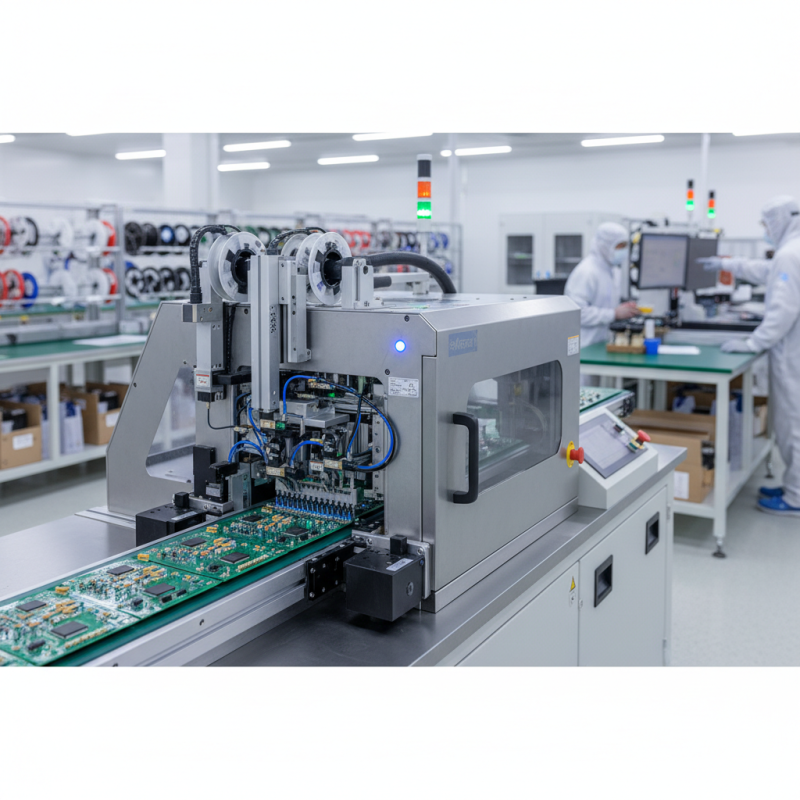
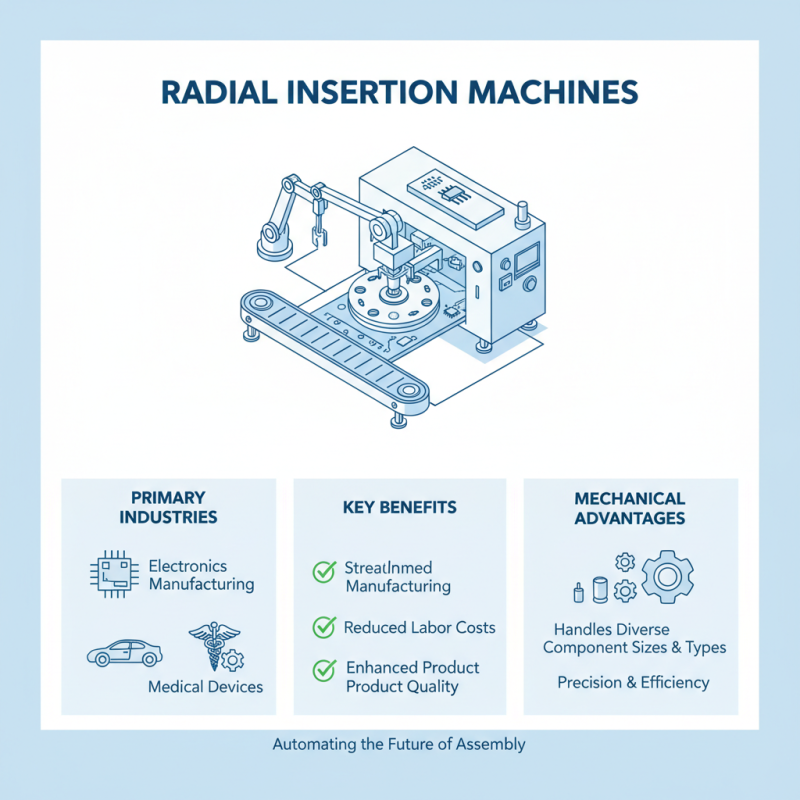
Radial insertion machines are pivotal tools in various industries, designed to automate the insertion of components into substrates or assemblies. These machines are primarily used in electronics manufacturing, automotive industries, and medical device production, where precision and efficiency are paramount. By utilizing radial insertion machines, companies can streamline their manufacturing processes, reduce labor costs, and enhance product quality. Understanding the mechanics of these machines—such as their ability to handle a wide range of component sizes and types—is essential for maximizing their potential in any production line.
Furthermore, the versatility of radial insertion machines allows them to cater to a variety of applications. From inserting delicate electronic chips onto circuit boards to embedding fasteners and connectors into automotive components, these machines can accommodate different materials and designs with ease. By employing advanced technologies, such as pneumatic or servo-driven systems, these machines ensure consistent performance, minimizing the risk of errors during the insertion process. Training operators on the workings of radial insertion machines, along with regular maintenance, is crucial for ensuring their reliability and longevity in production environments.
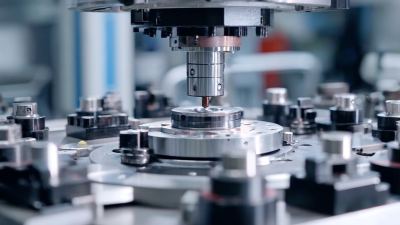
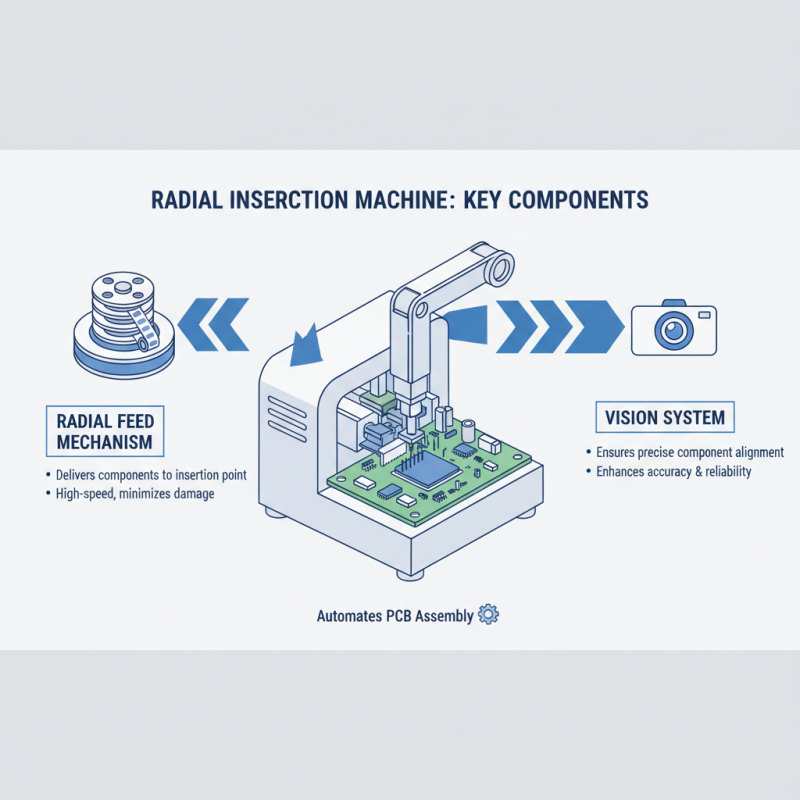
Radial insertion machines are essential tools in modern manufacturing, designed to automate the process of inserting components into printed circuit boards (PCBs). Understanding the key components of these machines is crucial for optimizing their usage. One of the primary components is the radial feed mechanism, which efficiently delivers components to the insertion point. This mechanism allows for high-speed operation and minimizes the risk of component damage during the insertion process. Additionally, the machine typically incorporates a vision system that ensures precise alignment of components, enhancing the overall accuracy and reliability of the insertion.
Another vital aspect of radial insertion machines is their control software, which manages both the mechanical operations and the data processing involved in the production line. This software interfaces with the machine’s sensors to monitor performance and provide real-time feedback, enabling operators to make informed adjustments as necessary. Furthermore, the machine's various tooling options, such as insertion heads designed for different component sizes and shapes, contribute to versatility in handling diverse manufacturing needs. Familiarity with these components not only helps in maintaining the machines but also aids operators in troubleshooting common issues, ultimately leading to improved efficiency in production workflows.
Setting up your radial insertion machine for optimal performance requires careful consideration of several factors that can significantly impact efficiency and precision. Preliminary assessments suggest that about 70% of downtime in operations can be attributed to improper setup and calibration. Thus, starting with a thorough inspection of the machine's components, including alignment and torque settings, can dramatically enhance performance.
One vital tip is to ensure that the machine is level and securely anchored. According to a recent industry report, machines that are not level can lead to uneven force distribution, potentially causing component misalignment and premature wear. Additionally, regularly updating software and firmware can streamline operations and reduce the likelihood of errors in the insertion process. Operators should also take advantage of simulation features, if available, to visualize setups and predict performance outcomes before engaging in full-scale operations.
Another essential aspect to consider is the maintenance of the machine. Routine checks on vital parts, such as the radial arms and insertion tools, are crucial for minimizing disruptions. Studies indicate that a proactive maintenance schedule can lead to a 30% reduction in unexpected downtime. Incorporating these measures can create a solid foundation for maximizing the effectiveness of your radial insertion machine, thereby improving your overall production capabilities.
When operating radial insertion machines, prioritizing safety is paramount. Evidence from the Occupational Safety and Health Administration (OSHA) indicates that improper use of such machinery contributes to approximately 20% of workplace injuries in the manufacturing sector. Therefore, adherence to essential safety precautions can substantially lower these risks. Operators should always wear appropriate personal protective equipment (PPE), including goggles, gloves, and ear protection, to shield themselves from potential hazards. Additionally, conducting a thorough risk assessment prior to machine operation is critical to identifying and mitigating any threats in the environment.
It’s equally crucial to maintain a clean and organized workspace around the radial insertion machine. A report published by the National Safety Council reveals that over 30% of injuries in industrial settings stem from slips, trips, and falls, often exacerbated by clutter. Implementing strict housekeeping protocols can minimize these incidents. Furthermore, regular maintenance checks and equipment inspections must be performed to ensure the machine is in optimal working condition. According to findings from the American National Standards Institute (ANSI), preventative maintenance helps reduce the likelihood of equipment failure, which is a significant cause of accidents. Adopting these practices not only fosters a safer work environment but also enhances overall efficiency and productivity.
| Tip Number | Tip | Description | Safety Precautions |
|---|---|---|---|
| 1 | Read the Manual | Ensure you understand the machine's functions. | Follow all safety instructions in the manual. |
| 2 | Wear Protective Gear | Use goggles, gloves, and protective footwear. | Ensure all personal protective equipment is in good condition. |
| 3 | Inspect the Machine | Check for wear and damage before use. | Make sure all safety guards are in place. |
| 4 | Keep the Work Area Clean | Remove clutter and debris from the work site. | Prevent slips and trips around the machine. |
| 5 | Use the Correct Inserts | Choose inserts that match the material specifications. | Ensure compatibility to avoid accidents. |
| 6 | Maintain Proper Posture | Stand straight and keep your feet shoulder-width apart. | Reduce the risk of strains and injuries. |
| 7 | Stay Focused | Avoid distractions while operating the machine. | Concentration minimizes errors and accidents. |
| 8 | Turn Off When Not in Use | Switch off the machine after completing tasks. | Prevents unauthorized use and accidents. |
| 9 | Seek Training | Get trained by a qualified instructor. | Increase awareness and proficiency. |
| 10 | Follow Emergency Procedures | Know how to react in case of emergencies. | Ensure everyone is familiar with evacuation routes. |
When working with radial insertion machines, it is crucial to be adept at troubleshooting common issues that may arise during operation. One frequent problem is misalignment, which can lead to inconsistent insertion and damage to components. To address this, regularly check the setup and ensure that the machine is calibrated correctly. Proper alignment of the input and output feeds not only enhances efficiency but also significantly reduces wear and tear on the machine.
Another common issue involves improper component feeding, which can result in jams or missed insertions. To troubleshoot this, inspect the feeding mechanism for debris or damages that might obstruct the flow of components. Ensuring the components are within the specified range for size and shape will facilitate smoother operation. Regular maintenance and cleaning of the feeding system can also help in minimizing these disruptions. By implementing these techniques, operators can maintain optimal performance and extend the lifespan of their radial insertion machines.
Maintaining radial insertion machines is crucial for ensuring their longevity and optimal performance. Regular maintenance practices can significantly extend the lifespan of your machine while preventing unexpected breakdowns. Start with routine inspections, checking for wear and tear on critical components. Ensure that all moving parts are properly lubricated and that any accumulated dust or debris is cleared away. This helps reduce friction, which can lead to premature wear.
In addition to routine checks, operators should implement a scheduled maintenance plan that includes thorough cleaning and recalibration of the machine. Keeping the machine in its best condition not only aids in production efficiency but also enhances safety for operators. Ensuring all safety features are functioning correctly is vital in mitigating hazards.
When using radial insertion machines, here are a few essential tips to remember: firstly, always follow the manufacturer's instructions for setup and operation to avoid unnecessary strain on the equipment. Secondly, train all operators adequately to ensure they understand the best practices for machine use. Lastly, maintaining a clean work environment can drastically reduce the risk of contamination and potential damage, ensuring that your machine operates smoothly for years to come.
To operate radial insertion machines effectively, comprehensive training and resource allocation are paramount. According to a report by the International Society of Automation, companies that invest in staff training related to machinery operation see a 25% increase in overall productivity. This highlights the necessity for structured training programs to enhance operators’ understanding of machine functionalities, safety protocols, and maintenance routines. Workshops and hands-on sessions can play a crucial role in building the operators' confidence and competence with these complex machines.
Furthermore, access to updated technical manuals and online resources is vital for keeping operators informed about the latest advancements in technology and best practices. The American Manufacturing Association found that organizations providing ongoing educational resources report a 30% decrease in machine downtime and a significant reduction in operational mistakes. Incorporating e-learning platforms and interactive tutorials can facilitate continuous learning and ensure that operators are well-versed in troubleshooting procedures and optimal operational techniques, ultimately leading to enhanced machine performance and longevity. By prioritizing training and resource availability, companies can maximize the efficiency and reliability of their radial insertion machines.
The relentless pursuit of production efficiency in the electronics manufacturing sector has led to innovative advancements in surface mount technology (SMT). Leveraging SMT insertion technology, the new multi-task platform enhances component handling and workflow processes significantly. One of the standout features is the impressive insertion speed, with component insertion times plummeting to just 0.6 seconds for vacuum nozzles and 0.8 seconds for gripper nozzles. These capabilities allow manufacturers to vastly improve throughput and meet the ever-growing demand for rapid assembly in a competitive marketplace.
Moreover, the introduction of the “Takumi head” revolutionizes the way components are recognized during insertion. This advanced head allows for multiple recognition heights, resulting in increased flexibility when accommodating various component sizes and types. This enhances overall operational efficiency and minimizes the time spent on setup and changeovers. According to recent industry reports, companies that implement cutting-edge SMT technologies can see productivity gains of up to 30%, making it a crucial investment for manufacturers aiming to maintain a competitive edge.
In addition to speed and versatility, effective component feeding systems and robust line control have become essential components of modern SMT solutions. Utilizing advanced software like JaNets enables seamless control across the production line, fostering greater synchronization between different stages of the manufacturing process. By adopting these innovative solutions, businesses not only streamline their operations but also push the boundaries of what is possible in high-volume production environments. This trend underscores a broader movement in the industry toward digital transformation and automation, yielding significant advantages for those who embrace it.
: The primary components include the radial feed mechanism, a vision system for precise alignment, control software for managing operations, and various tooling options for handling different component sizes and shapes.
The radial feed mechanism efficiently delivers components to the insertion point, allowing for high-speed operation and reducing the risk of component damage during insertion.
The vision system ensures precise alignment of components, enhancing the overall accuracy and reliability of the insertion process.
Operators should wear appropriate personal protective equipment (PPE) such as goggles, gloves, and ear protection, conduct thorough risk assessments, and maintain a clean workspace to minimize hazards.
Regular maintenance and inspections help ensure the machine is in optimal working condition, reducing the likelihood of equipment failure, which is a significant cause of accidents.
Common issues include misalignment, improper component feeding, jams, and missed insertions.
Misalignment can be addressed by regularly checking the setup, ensuring the machine is calibrated correctly, and properly aligning the input and output feeds.
Inspect the feeding mechanism for debris or damages that might obstruct the flow of components and ensure that the components are within the specified range for size and shape.
Maintaining a clean and organized workspace minimizes the risk of slips, trips, and falls, which are common causes of injuries in industrial settings.
Implementing strict housekeeping protocols can reduce accidents and injuries related to clutter, fostering a safer work environment and enhancing overall productivity.
Understanding how to effectively use a Radial Insertion Machine is crucial for maximizing productivity in various applications. This article outlines the essential components of these machines and provides guidance on setting them up for optimal performance. It emphasizes the importance of safety precautions to ensure operator protection and outlines troubleshooting techniques for common issues that may arise during operation.
Moreover, proper maintenance practices are highlighted to extend the lifespan of your Radial Insertion Machine, ensuring it continues to perform effectively over time. The article also underscores the necessity of training and accessing resources to enhance operational skills, making it an invaluable guide for both new and experienced users looking to improve their proficiency with Radial Insertion Machines.