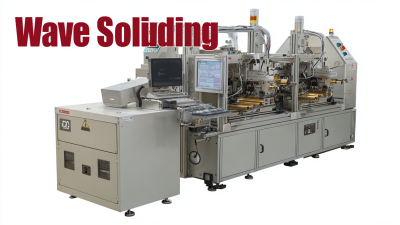
In today’s fast-changing world of surface mount technology (SMT), you really can’t overlook how important Wave Soldering Machines are. I mean, industry reports suggest that the worldwide market for soldering equipment could hit around USD 5.76 billion by 2027 — all thanks to more and more companies leaning into automated solutions in electronics manufacturing. Now, with over 15 years under their belt, MOREL EQUIPMENTS CO., LIMITED. has really made a name for itself as a go-to one-stop shop for this stuff. They offer all the latest tech, like pick-and-place machines, automatic soldering robots, and complete testing systems. This little tutorial is here to help beginners get a good grasp of Wave Soldering Machines — from troubleshooting common issues to understanding why innovation and getting things just right are so crucial for producing top-notch solder joints in today’s production lines.
Understanding Wave Soldering: Key Principles and Processes Unveiled
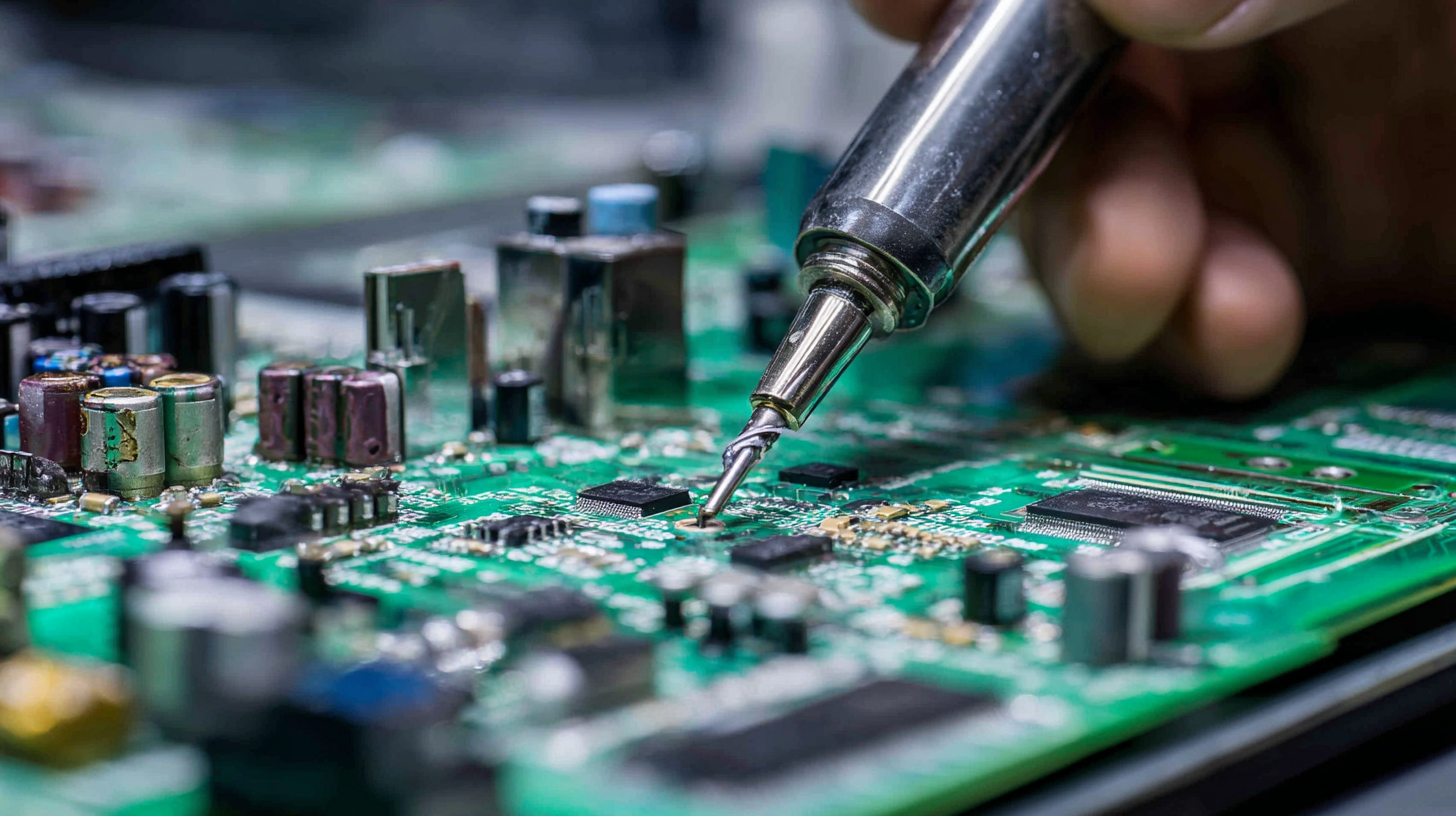
Wave soldering is a pretty crucial step in electronics manufacturing, and it’s kinda interesting how it works. Basically, it involves applying solder to electronic components in a pretty unique way. If you’re new to this, getting a good grip on the main principles can really help you master the technique. The process kicks off with preheating the circuit board—this makes sure that the solder melts and bonds properly. Then, during the actual wave soldering part, the board moves over a wave of molten solder, which creates solid, reliable connections that last.
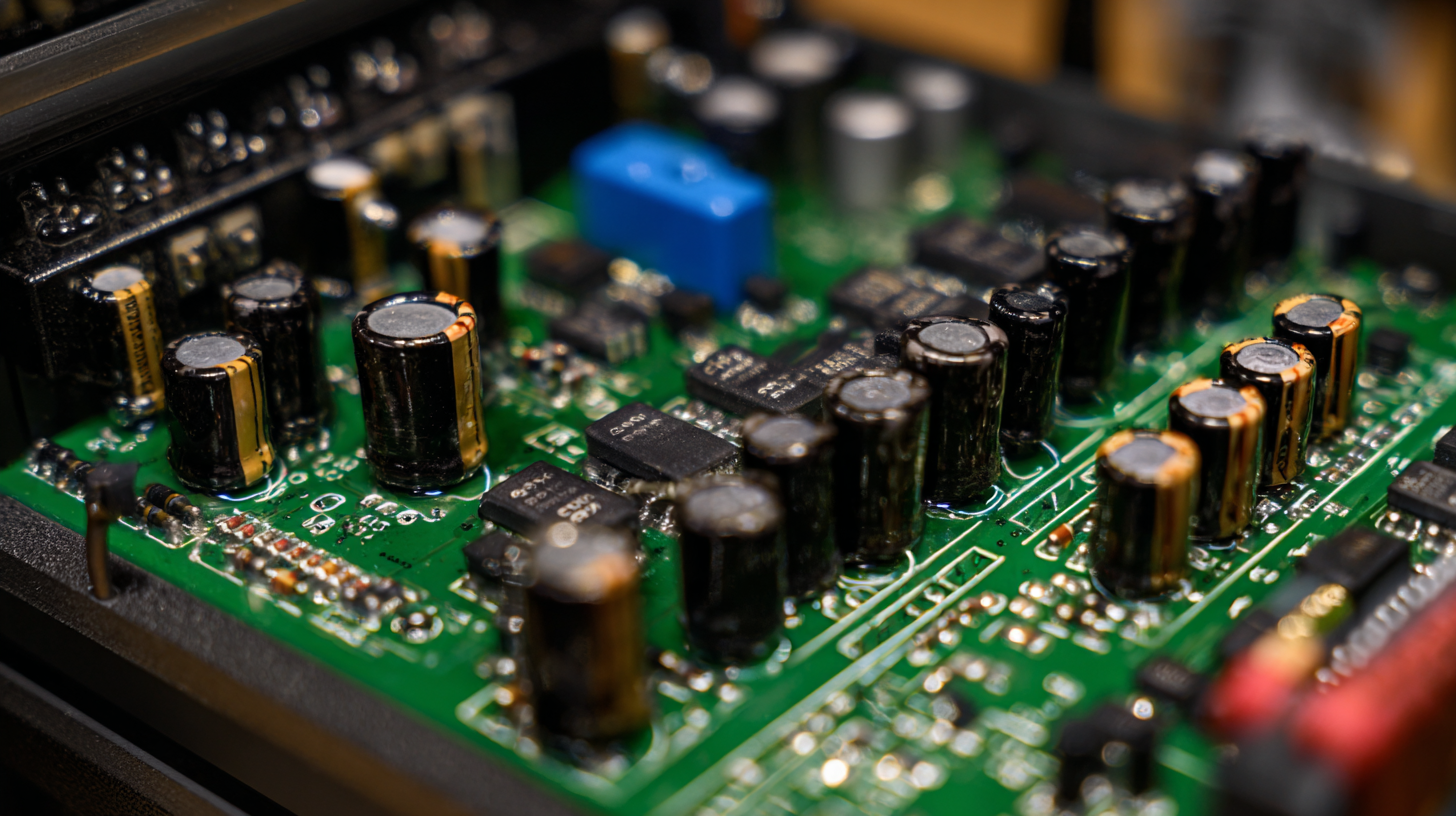
One thing to keep in mind is how important the cooling phase is after soldering. That’s when heat transfers away and the solder joints cool down, and this step pretty much determines how good the final connections will be. If cooling isn’t handled properly, you might end up with weak spots or even defects. To get it right, it’s a good idea for manufacturers to plan cooling times carefully—this helps avoid thermal shock and makes sure everything cools evenly.
Pro tip: Keep a close eye on how long you’re cooling. Rushing or prolonging this too much can cause problems. Also, it’s super helpful to regularly analyze your defect rates. Spotting patterns can point you toward what needs fixing. Using tools like the PDCA cycle (that’s Plan-Do-Check-Act, by the way) can really help you systematically cut down on defects and improve your process over time. If you focus on these basics, you'll be well on your way to becoming confident with wave soldering.
The Evolution of Wave Soldering Technology and Its Impact on Manufacturing
Wave soldering has come a pretty long way since it first appeared, really changing the game in how electronics are made. It all started back in the 1950s, giving manufacturers a way to produce electronic assemblies in large quantities without all the manual labor that used to be involved. As we moved into the late 20th century, the tech kept evolving—things like better flux application and even using nitrogen atmospheres to cut down on oxidation made a big difference. According to a report from the IPC, wave soldering has actually boosted productivity in PCB assembly by around 30%, which just shows how vital it is in today’s manufacturing world.
But it’s not just about making things faster. Wave soldering has also helped improve the overall quality of electronic products. As devices got smaller and surface-mount technology (SMT) became more popular, the machines had to adapt too. Market research from the Global Electronics Manufacturing Market says that the Wave Soldering Equipment market is expected to grow by about 8% each year—mainly because people need reliable solder joints in really tight, complex circuits. Overall, as manufacturers keep pushing for better efficiency and dependability, wave soldering continues to be a key player that keeps up with the fast-paced world of modern electronics manufacturing.
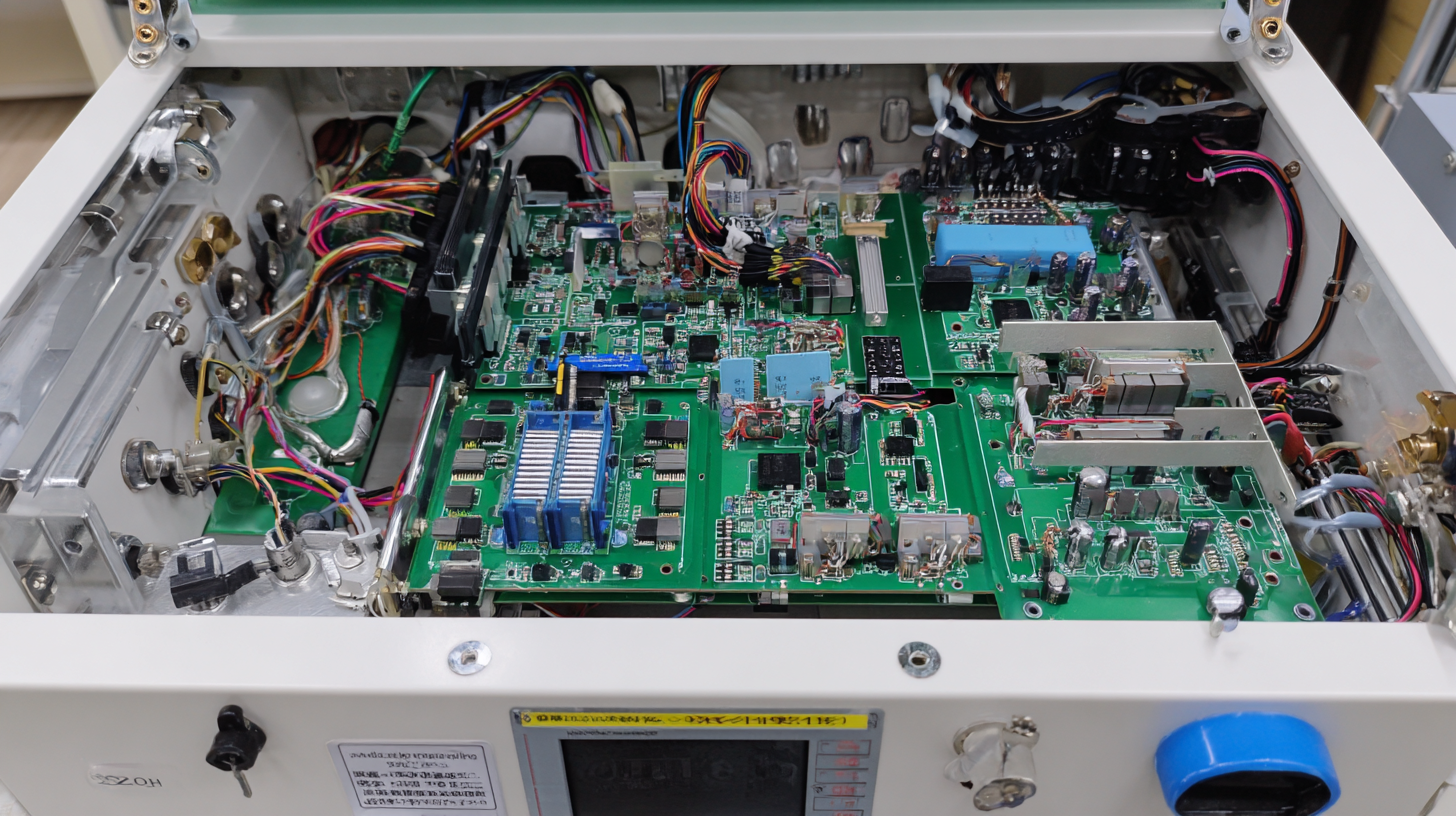
Analyzing Wave Soldering Machine Efficiency: Performance Metrics and Data
When you're looking into how efficient wave soldering machines are, you've really got to consider a bunch of different performance factors that show how well they actually work. For example, according to a report by IPC (the Institute for Interconnecting and Packaging Electronic Circuits), these machines typically hit first-pass yields somewhere between 90% and 97%. That’s a pretty solid number, and it’s super important because it helps cut down on waste and keeps costs less crazy in electronics manufacturing. Basically, it highlights how crucial good calibration and regular maintenance are to keep things running smoothly.
On top of that, cycle time is a big deal when it comes to efficiency. A study in the Journal of Electronics Manufacturing points out that modern wave soldering machines now average about 30 seconds per board — which is a big boost in how many boards can be processed in a given time. Oh, and over the past decade, energy consumption per solder joint has dropped by around 15%, thanks to tech improvements and better thermal management. These kinds of efficiencies don’t just save money; they’re also a step toward meeting industry environmental standards. All in all, paying attention to these performance metrics is key for businesses that want to stay ahead and be greener at the same time.
Mastering Wave Soldering Machines: Performance Metrics and Data
| Machine Model | Efficiency (%) | Cycle Time (seconds) | Power Consumption (kW) | Maintenance Frequency (months) |
| Model A | 95 | 120 | 15 | 6 |
| Model B | 90 | 110 | 18 | 8 |
| Model C | 85 | 130 | 20 | 5 |
| Model D | 92 | 115 | 16 | 7 |
| Model E | 88 | 125 | 19 | 6 |
Critical Components of Wave Soldering Machines: A Beginner's Guide to Selection
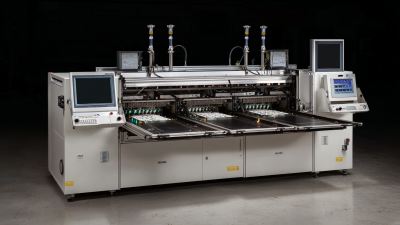
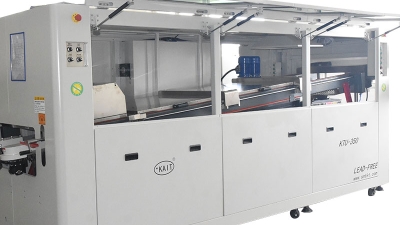
If you’re just diving into the world of wave soldering machines, it’s really important to get familiar with their key parts. Every component has a role to play in making sure the soldering goes smoothly, and choosing the right ones can make a big difference in both efficiency and the quality of your work. The main hub of the machine is the pot — the part that holds the molten solder. Its design isn’t just for show; it actually affects how the solder flows and how well everything performs. If you’re starting out, look for a pot that’s stable in heat and has enough capacity to handle your production volume without any hassle.
Then there’s the conveyor system—this is what moves your printed circuit boards (PCBs) through the soldering zone. Adjusting how fast it goes and how high it lifts can help when dealing with different PCB sizes or designs. For beginners, it’s really important to pick a system with precise controls so you don’t run into issues like not enough solder coverage or exposing the boards to too much heat. And don’t forget about the preheat station, which preps the PCB by warming it up just enough so that thermal shock doesn’t cause problems. Picking the right mix of these components will help you get a smoother wave soldering process and, ultimately, produce reliable, high-quality electronics.
Wave Soldering Machine Component Importance
Future Trends in Wave Soldering: Innovations Driving the Industry Forward
You know, the wave soldering industry has been going through some pretty big changes lately, thanks to all the new tech showing up. These days, automation and robotics are really stepping up their game, making the machines more accurate and efficient than ever before. And with smart tech like AI and IoT coming into play, manufacturers can now keep an eye on things in real-time and even predict issues before they happen. It’s a game-changer—lower downtime, higher productivity, and better quality products all around. Plus, companies are getting smarter about cutting costs and waste because of it.
On top of that, there are some fresh new materials and methods popping up to handle the miniaturization and complexity that modern electronics demand. Lead-free solder is becoming the norm, which is great for the environment and aligns with regulations. And the advances in fluxes and solder pastes? They’re making a real difference, giving better adhesion and smoother flow—perfect for those really intricate electronic assemblies. All these innovations are super important to keep up with how quickly electronics evolve; without them, wave soldering just wouldn’t keep pace with today’s high-tech world.
Safety Protocols and Best Practices in Wave Soldering Operations for Beginners
When you're diving into wave soldering, safety really gotta be your top priority—especially if you're new to all this. Before you get started, make sure you’re wearing the right protective gear, like heat-resistant gloves, safety glasses, and flame-retardant clothes. It might sound like overkill, but these things actually protect you from burns and exposure to fumes that can be pretty nasty. Oh, and don’t forget—make sure your workspace is well-ventilated. That way, you’re limiting the risks from the fumes that come with soldering.
Another thing that’s super important is keeping your equipment in good shape. Regularly check your soldering machines and all the parts—you don’t want any surprises or mishaps. As a newbie, take some time to get familiar with how the machine works, along with the emergency shut-off procedures. Knowing this stuff not only keeps you safe but also helps you feel more confident when you’re handling the tools. If you start with these good habits, you'll create a safer, smoother environment for yourself and maybe even enjoy the process a bit more.
Revolutionize Your Cooking: The Benefits of the Dual Lane Wave Oven XMS-350 for Modern Kitchens
The modern kitchen has transformed into a hub of innovation, and one of the latest advancements in cooking technology is the Dual Lane Wave Oven XMS-350. By utilizing an efficient wave soldering mechanism, this oven not only revolutionizes the cooking experience but also contributes to energy conservation. Compared to traditional cooking appliances, the XMS-350 achieves temperature mutual compensation that optimizes performance while reducing power consumption by an impressive 10%. This feature ensures that your culinary creations are cooked evenly without unnecessary energy expenditure, making it an ideal choice for the environmentally conscious chef.
In addition to its energy-saving capabilities, the space efficiency of the Dual Lane Wave Oven XMS-350 is a significant benefit for modern kitchens. Traditional wave soldering machinery can occupy a staggering 186.9 square meters of valuable kitchen space. The XMS-350, on the other hand, is designed to compress this footprint dramatically to just 65.45 square meters, saving an astounding 121.45 square meters. This allows for a more organized and spacious kitchen environment, perfect for those who love to cook but struggle with limited counter space. With its sleek design and compact size, the XMS-350 is not only a functional appliance but a stylish addition to any culinary space.
FAQS
: The heart of a wave soldering machine is the pot, which contains the molten solder and influences the fluid dynamics of solder flow.
Beginners should look for a solder pot with good thermal stability and an appropriate capacity that matches their production needs.
The conveyor system transports printed circuit boards (PCBs) through the soldering area, and its speed and height can be adjusted to accommodate different PCB sizes and complexities.
A preheat station is important because it prepares the PCB for soldering by reducing thermal shock, which leads to better soldering outcomes.
Beginners should wear heat-resistant gloves, safety goggles, and flame-retardant clothing to protect against burns and harmful fumes.
Proper ventilation is essential to mitigate risks associated with soldering emissions and to ensure a safer working environment.
Beginners should regularly inspect soldering machines and components, and familiarize themselves with the machine’s operational guidelines and emergency shut-off procedures.
Novices should learn the operational guidelines and emergency procedures to enhance safety and build confidence in operating the equipment effectively.
Best practices include wearing appropriate PPE, ensuring workspace ventilation, maintaining equipment, and following safety protocols to prevent accidents.
Understanding critical components helps beginners select the right machines and settings, ultimately improving efficiency and the quality of the soldering process.
Conclusion
Hey there! So, in our guide, 'Mastering Wave Soldering Machines: A Beginner's Guide,' we really get into what wave soldering is all about—its core principles, how it works, and a bit of history on how this tech has evolved. It's pretty fascinating how much impact wave soldering has had on modern manufacturing—and trust me, understanding this can totally change how you approach your projects. We break down the machine’s performance so you know what to look out for to get the best results and boost your efficiency. If you’re just starting out, don’t worry—we walk you through each key component of these machines so you can make smarter choices and improve your workflow. Plus, we chat about where the industry’s headed—upcoming trends and exciting innovations—and of course, safety tips and best practices to keep everyone safe while working with these machines.
Oh, and a quick shoutout to Morel Equipments Co., Limited. They've been around for over 15 years, diving deep into surface mount technology. They’re all about providing solid solutions, like wave soldering machines, to help folks like you step up your manufacturing game. Their goal is to make sure beginners not only learn the ropes but also adopt the latest techniques and smart strategies to make their work easier and more efficient. Pretty cool, right?