
- Home
- Products
- News
- About Us
- Support center
- Contact Us
inquiry
Leave Your Message
You know, the way electronics manufacturing has evolved over the years has really changed the game when it comes to testing. Automated Test Equipment (or ATE for short) has become a crucial part of making sure products are reliable and of good quality. So, here’s the thing—Morel Equipments Co., Limited, with over 15 years under their belt in the surface mount technology (SMT) world, has actually become a go-to stop for everything related to high-tech testing machinery. Recent market forecasts, like the one from Research and Markets, are pretty enthusiastic—they say the global ATE market might hit around $5.34 billion by 2026. Why? Well, because electronic devices are getting more complex, and standards for quality are tighter than ever. Manufacturers are really pushing for efficiency and precision, and that’s where ATE comes in, making testing smoother and more reliable across all kinds of applications. Plus, Morel's focus on innovation—think automatic testers and soldering robots—really shows how critical it is to have cutting-edge ATE in today’s electronics manufacturing scene.

You know, the rise of automated test equipment (or ATE) in electronics testing really marks a big shift in how we make sure semiconductor devices perform well and are up to snuff. With tech moving so fast these days, the ATE market is set to grow quite a bit — it’s expected to jump from around $7.65 billion in 2025 all the way up to nearly $12.70 billion by 2032. That’s a clear sign that everyone’s craving faster, more efficient testing processes and really high-precision measurements in manufacturing chips and electronics.
Looking at North America, the market for test and measurement gear is pretty interesting right now. There are tons of opportunities, sure, but also some challenges lurking around. We’re seeing a clear trend towards more automation — which means better accuracy and getting products out to market quicker. That said, companies have to juggle tricky stuff like integrating more advanced tech and keeping costs down, even as the competition heats up. As ATE keeps evolving, it’s definitely going to play a major role in shaping the future of how we test and develop electronics—adapting to the constantly changing tech landscape, you know?
| Test Equipment Type | Key Features | Applications | Advantages |
|---|---|---|---|
| Functional Test Equipment | Automated testing scripts, high test coverage | Consumer electronics, automotive | Increased efficiency, error detection |
| Boundary Scan Testers | Access to internal device circuits, fast test cycles | PCBs, system-on-chip devices | Non-invasive testing, reduced test times |
| Oscilloscopes | Real-time signal analysis, advanced triggering options | Signal integrity testing, R&D | Detailed waveform analysis, versatile |
| Test Automation Frameworks | Integration of various test tools, reporting capabilities | Software testing, embedded systems | Consistency in testing, scalability |
I and Machine Learning on automated test equipment (ATE)?
The global ATE market is anticipated to reach $6.2 billion by 2026, driven by increasing demand for quality assurance in electronic manufacturing.
Companies can achieve enhanced product reliability, streamlined operations, and significant cost savings by utilizing AI capabilities for predictive maintenance and optimizing testing protocols based on data insights.
Future trends indicate a shift towards more integrated and intelligent testing solutions, including the combination of AI and machine learning for predictive analysis, and support for a broader range of devices due to the rise of IoT.
AI and ML enable engineers to identify issues earlier in the production phase, which helps to streamline processes and ultimately reduces both development costs and time to market for new products.
Modular test systems are expected to provide customization and adaptability to cater to specific testing requirements while maximizing efficiency in testing processes.
Integrating new technologies can seem daunting; however, starting small and gradually expanding automated solutions can help alleviate challenges and lead to substantial benefits over time.
Regular updates to testing protocols are essential to stay ahead of quality issues and to ensure continuous improvement in testing accuracy and efficiency.
The emergence of IoT devices necessitates a more scalable and flexible testing infrastructure that can support a wide range of interconnected smart devices along with traditional electronics.
Companies can enhance their testing processes by implementing AI-driven tools for real-time data analysis, improving predictive maintenance practices, and optimizing overall testing protocols based on insights gained from ML algorithms.
The article called "Revolutionizing Electronics: How Automated Test Equipment Is Changing the Game" really dives into how ATE is shaking things up in the world of electronics testing. It’s pretty clear that automated testing tools have become a must-have for boosting both speed and accuracy—nobody wants slow or unreliable results, right? The piece mentions some big benefits like faster turnaround times, better reliability, and fewer mistakes caused by human error. Plus, it touches on how AI and machine learning are stepping in to make these tests even smarter, streamlining the whole process.
Of course, it’s not all smooth sailing—there are hurdles when it comes to setting up automated testing systems, and the article doesn’t shy away from discussing those challenges. But it also offers ideas and innovative tricks to help get past them. Looking ahead, the piece explores some exciting trends that could define the future of testing tech. Companies such as Morel Equipments Co., Limited, with their deep roots in surface mount technology, are in a great position to ride these waves of change. They’re already creating comprehensive solutions like automatic testers and soldering robots that really embody the principles of ATE—pretty impressive stuff!

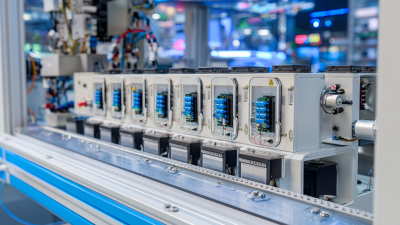
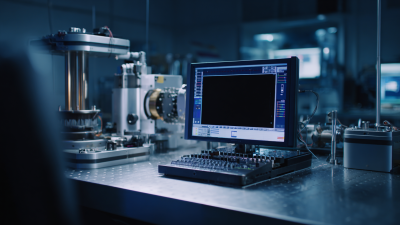
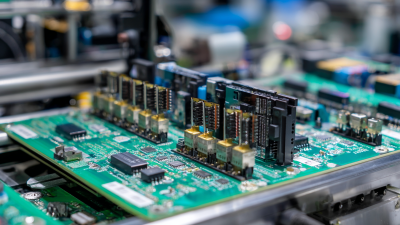
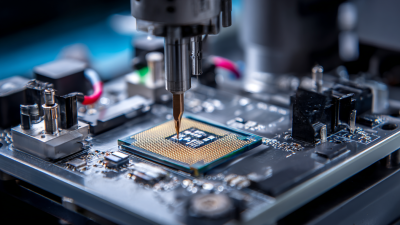


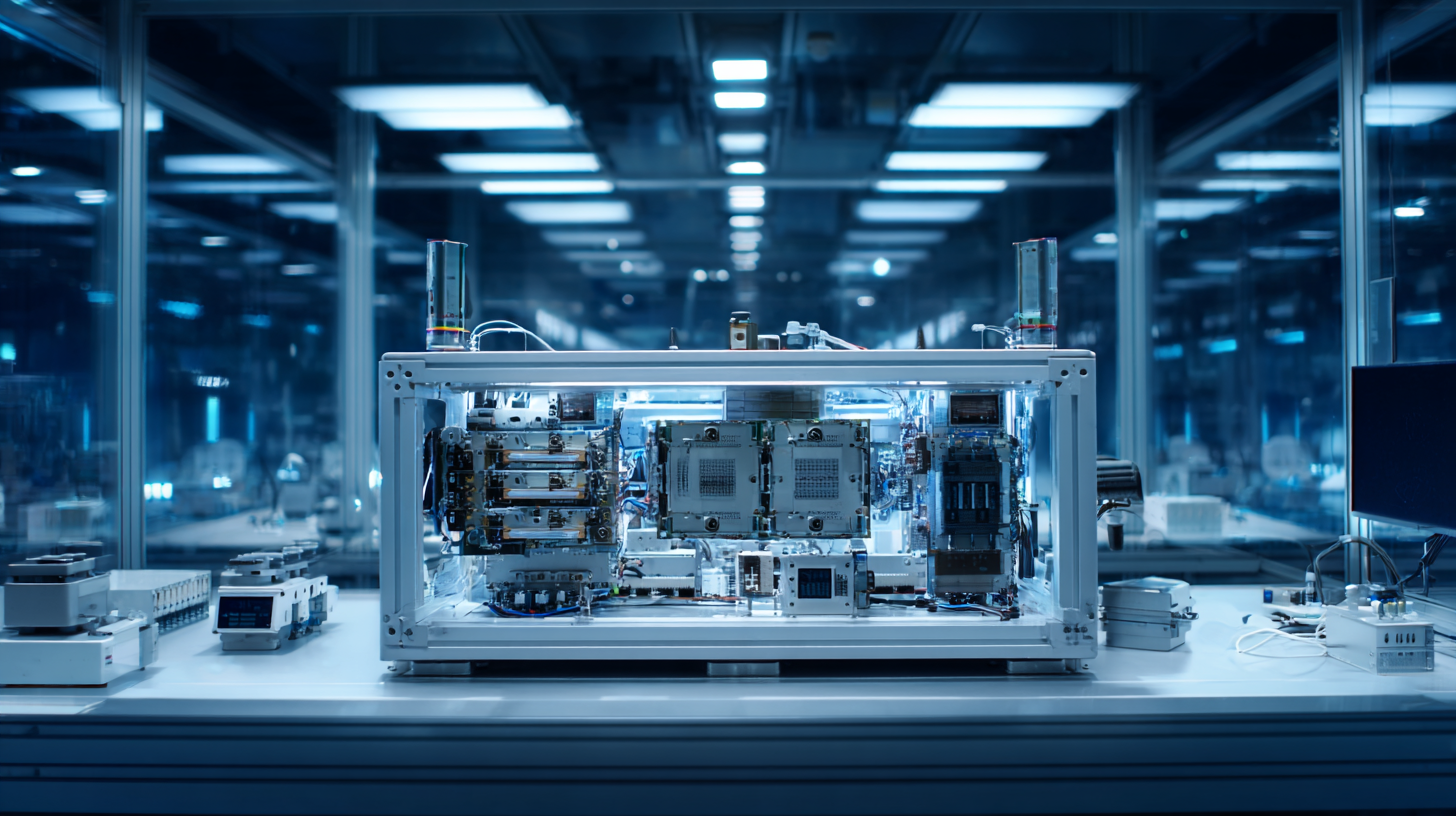
 Switching to automated test equipment (ATE) in modern electronics testing definitely has a lot of perks, but it’s not all smooth sailing. One of the biggest hurdles is getting everything set up and calibrated at the start. Those setups often need specialized knowledge and can take quite a bit of time, which means deployment isn’t always quick. Plus, integrating ATE into existing manufacturing and testing systems isn’t just plug-and-play — you really need to check compatibility carefully so you don’t end up messing up the workflow.